


Buying a tent online is one of those things that feels straightforward until you actually start doing it. You search “best camping tent 2026” and you get fifteen articles all recommending the exact same four tents in the exact same order. You read through five of them and somehow know less than when you started. This is my honest take — no affiliate arrangements shaping the recommendations.
How to Actually Read Tent Specs
Capacity rating: always assume one person less than the stated capacity if you want comfort. A “3-person tent” sleeps two people with gear. Hydrostatic head (HH) rating measures water resistance — 1,500mm is the bare minimum, 3,000mm and above handles sustained rain well. Pole material matters too: aluminum is heavier but nearly indestructible, fiberglass is cheaper but snaps in cold weather.
Best Camping Tents by Category
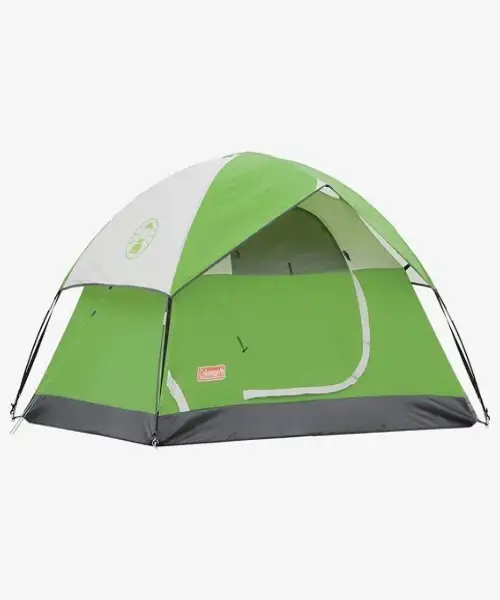
The Sundome is the honest recommendation for first-time car campers. Genuinely easy to set up — under 10 minutes solo. Roomy enough for two adults with gear. The WeatherTec system handles moderate rain well. It’s not going to survive a serious storm but it covers typical campground weather. Best for: first-time campers, family trips to established campgrounds.
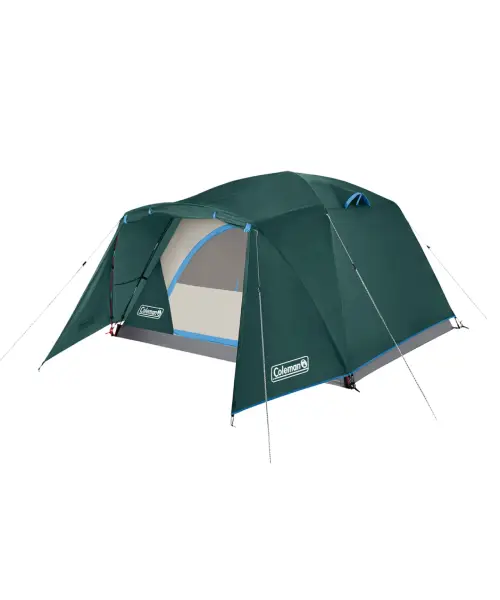
Near-vertical walls make the interior feel genuinely spacious. The color-coded pole system means even the least experienced person can help with setup. The 3,000mm fly and DAC aluminum poles make this genuinely storm-worthy. For families camping four or more times a year, the per-trip cost math works out quickly. At nearly 14 lbs packed, this is car camping only.
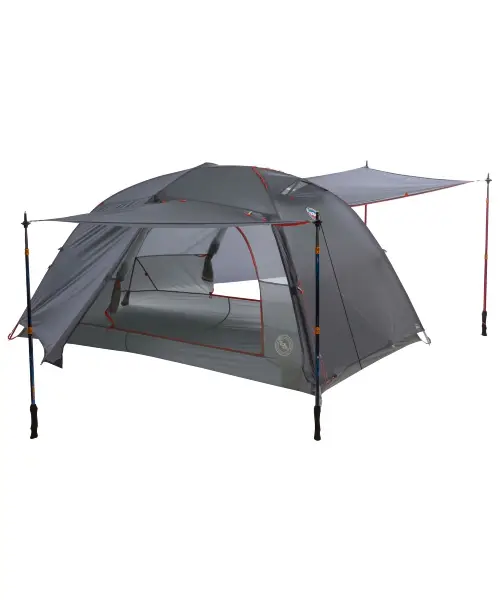
Under 3 lbs for a two-person tent with a livable interior. Two doors, two vestibules — the gold standard for two-person backpacking tents. Seams are pre-taped from the factory. The lightweight materials require care. Best for: regular backpackers, thru-hikers, anyone who weighs their pack before every trip.
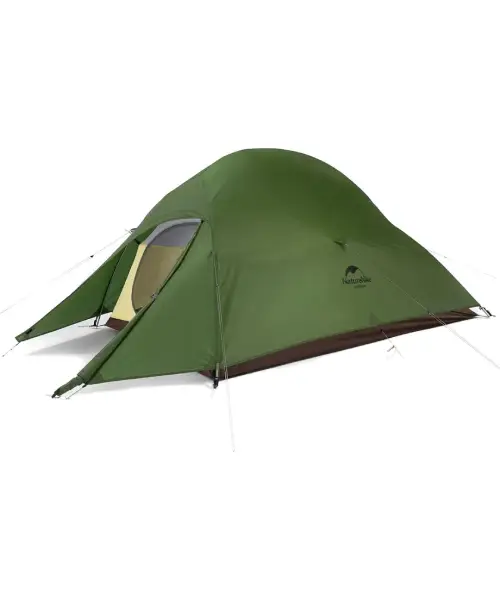
For someone who wants to try backpacking without spending $500 on a tent. Under 2.8 lbs, 3,000mm waterproof coating, aluminum poles — all for $100–$130. Zippers aren’t as smooth as premium options and ventilation isn’t as well-engineered, but for a beginning backpacker, it’s the most sensible starting point.
Quick Tent Comparison
Tent | Type | Weight | Price | Best For |
Coleman Sundome | Car camping | 7.5 lbs | $80–$100 | Beginners |
REI Base Camp 6 | Family camping | 14 lbs | $380–$420 | Families |
Big Agnes Copper Spur UL2 | Backpacking | 2.9 lbs | $500–$550 | Regular hikers |
Naturehike Cloud-Up 2 | Budget backpacking | 2.8 lbs | $100–$130 | Budget hikers |
Black Diamond Eldorado | 4-season | 7 lbs | $600–$700 | Winter/alpine |
The most important variable in tent performance is the person setting it up. Learn to pitch your tent in the backyard before you need to pitch it in the dark at a campsite after a four-hour drive. Most people skip this step and regret it.