
There are two types of lifestyle product guides out there.
The first type recommends everything. Every product is “life-changing.” Every item on the list is something you “absolutely need.” By the end, you’ve added fourteen things to your cart and genuinely cannot remember why.
The second type is what I’m trying to write here.
I want to talk about products that solve a specific, real problem in a daily routine — not things that look good in a flat lay photo but collect dust three weeks after they arrive. The products in this guide are things I’ve either used myself, tested extensively, or heard consistent things about from people who actually use them daily.
Some of these will fit your life perfectly. Some won’t. I’ll try to be upfront about who each one actually makes sense for.
What Makes a Lifestyle Product Actually Useful
Before we get into specific items, I think it’s worth establishing what “useful” actually means for a daily routine product — because it’s not the same as “popular” or “highly rated.”
A product earns its place in your daily life when it reduces friction on something you do every single day. Not occasionally. Not when you’re in the mood. Every day.
That’s a higher bar than most products clear.
A beautiful planner that requires 20 minutes of setup every morning isn’t reducing friction — it’s adding it. A water bottle that leaks if you toss it sideways in your bag isn’t solving a problem, it’s creating one. A tote bag that looks great but collapses under the weight of a laptop is just an expensive source of irritation.
The other thing worth saying: most lifestyle products solve problems that are more about habit than gear. A planner doesn’t make you organized. Consistently using a planner does. A diffuser doesn’t create a relaxing home environment on its own. Your choices do.
The products below are tools. Good tools make the work of building good habits easier. They don’t do it for you.

Who it’s actually for: Anyone who has tried digital planning apps and found them too easy to ignore, or anyone whose to-do list currently lives in three different places at once.
There’s something about writing something down by hand that digital tools don’t replicate. The friction of actually writing — slowly, deliberately — creates a different relationship with a task than typing it does. That’s not nostalgia talking; there’s consistent research supporting the memory encoding benefits of handwriting.
The Panda Planner Pro ($30–$35) uses a structured format that combines daily tasks with weekly goals and a simple gratitude section. It’s undated, which sounds like a small thing until you realize it means you’re not guilty-tripping yourself for missed days — you just pick up where you left off.
The Leuchtturm1917 ($25–$30) is not a structured planner — it’s a blank dotted notebook that people use to build their own system. The paper quality is noticeably better than competitors at this price, the numbered pages and index make it navigable, and the pen-bleed resistance handles most gel pens without ghosting. If you already know your planning system and just need a quality notebook to run it in, this is the one.
The honest caveat: Any planner only works if you open it every morning. The format matters less than the habit. Start with the cheaper option and build the habit first. Upgrade the planner later.
Price range: $25–$50. Avoid anything over $60 for a first planner — the returns diminish significantly.
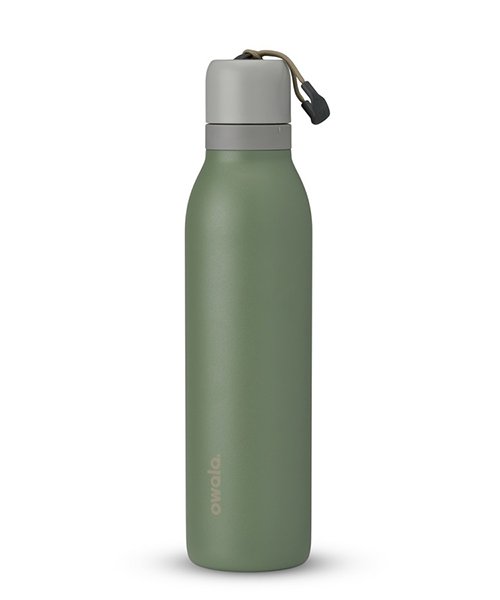
Who it’s actually for: Anyone who forgets to drink water because room-temperature water tastes unpleasant, or anyone who’s tired of their water bottle leaking inside their bag.
This sounds like a trivial problem. It genuinely isn’t. Consistent hydration affects energy levels, focus, headaches, and appetite — and the single most effective tool for drinking more water is having cold water readily available throughout the day.
The Hydro Flask Standard Mouth 24oz ($35–$40) keeps water cold for 24 hours in normal conditions and has earned its reputation through durability. The powder coat finish handles drops without chipping, the stainless steel interior doesn’t retain flavors, and the wide selection of lid options means you can customize the drinking experience. It’s heavier than plastic alternatives — about 13 oz empty — which matters if you’re carrying it all day in a bag.
The Owala FreeSip 32oz ($30–$35) has developed a strong following in the past two years for a specific reason: the FreeSip lid lets you sip through the straw or swig from the opening without changing the lid. The push-button mechanism locks securely for bag-safe transport. At 32 oz, it’s a serious daily hydration bottle that most people can use to hit a meaningful portion of daily water goals in one or two fills.
The honest caveat: The Stanley tumbler trend that dominated 2024–2025 has cooled somewhat, but the underlying product is still genuinely solid. If you already own one, you don’t need to replace it. The Owala and Hydro Flask just represent a more bag-friendly form factor for people who carry their bottle rather than leave it on a desk.
Price range: $30–$45 for the sweet spot. Anything over $50 for a standard water bottle is paying for aesthetics, not performance.

Who it’s actually for: Anyone who accumulates plastic bags at grocery stores, carries a laptop and personal items in the same bag, or just needs a reliable everyday carry bag that doesn’t scream “I paid $300 for this.”
The tote bag market is confusing because it spans from a $3 cotton bag at a bookshop to $800 luxury designer canvas. The actual functional differences between them are much smaller than the price gap suggests.
The Baggu Standard Tote ($14–$18) has become a quiet standard in this category and earns it. Made from recycled ripstop nylon, it holds up to 50 lbs, folds into a tiny pouch for pocket storage, and has a gusset that lets it expand into an actual bag shape rather than the flat awkward squeeze of traditional totes. It comes in a huge range of prints and solid colors.
The Land’s End Canvas Tote ($30–$40) is heavier and less packable but more structured — it holds its shape when set down rather than flopping over, handles are reinforced for shoulder carrying, and the 12 oz canvas handles normal daily use for years without fraying or handle detachment. Better for people who load it with books, groceries, or a laptop and need structural integrity.
The honest caveat: Don’t spend serious money on a tote bag until you’ve used a cheap one for six months and figured out exactly what bothers you. Handle length, gusset width, interior pocket placement — these preferences emerge from use, not from reading product descriptions.
Price range: $14–$40. The Law of Diminishing Returns hits hard above $50.
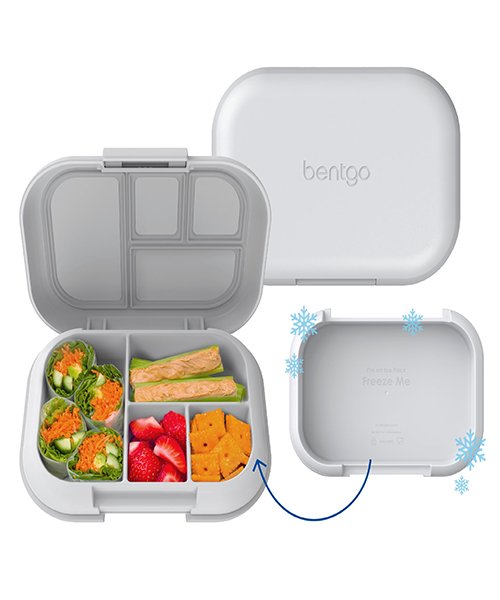
Who it’s actually for: People who bring lunch to work or school and are tired of their food arriving at the wrong temperature, or anyone trying to reduce daily takeout spending without eating a sad desk sandwich.
Bringing your own lunch is one of the most consistently cited personal finance recommendations — average savings of $50–$150 per month depending on your city and eating habits. The barrier is almost always the same: it’s inconvenient. Food gets warm before lunch. Containers leak. Nothing fits properly.
The Bentgo Modern Lunch Bag ($30–$35) solves the organization problem. Multiple compartments, an interior that holds ice packs securely, and a structure that keeps the bag upright in a larger work bag. The leakproof liner wipes clean without much effort, which matters more than you’d think for daily use — if cleaning it is annoying, you’ll use it twice and stop.
The PackIt Freezable Lunch Bag ($28–$35) takes a different approach: the bag walls themselves are filled with gel that you freeze overnight, eliminating the need for ice packs entirely. Fold it, put it in the freezer the night before, and it keeps food cool for up to 10 hours. It’s genuinely clever and works well for people who keep forgetting to freeze ice packs separately.
The honest caveat: Lunch boxes don’t work if your meal prep isn’t there. The bag is the last step in a chain that starts with actually cooking or preparing food the night before. Start with the habit, then invest in the bag. Any insulated bag in the $15–$20 range covers the basic functional requirements fine.
Price range: $28–$40 for a quality daily lunch bag.

Who it’s actually for: Light sleepers, shift workers, anyone who sleeps in a room they can’t fully darken, travelers, or anyone who falls asleep before their partner and gets woken up when they come to bed.
Sleep quality is the most consistently underrated variable in how well someone functions during the day. Most people accept mediocre sleep as a given. It’s often not — environmental light disruption is a fixable problem.
The Manta Sleep Mask ($30–$35) approaches eye mask design differently from most. Instead of sitting flat against your face (which creates pressure on your eyelids and irritates contact lens wearers), the Manta uses contoured eye cups that sit around your eyes without touching them at all. You can open your eyes inside the mask, blink normally, and there’s zero pressure on the eye area. The adjustable strap works for side sleepers without bunching.
The Tempur-Pedic Sleep Mask ($25–$30) uses the brand’s memory foam material conformed around a standard flat mask shape. More comfortable than most flat masks, blocks light effectively, and the foam adapts to your face shape over time. Better for back sleepers; side sleeping can shift it.
The honest caveat: A sleep mask is worth trying before investing in more elaborate sleep optimization. It costs $25–$35, and if it genuinely improves your sleep quality, that’s one of the best dollar-per-hour-of-better-sleep returns available. If it doesn’t help, it tells you something about what else might be disrupting your sleep.
Price range: $25–$40 covers excellent options. Above $50 you’re paying for materials and branding with minimal functional improvement.
Budget vs. Premium — Where the Difference Actually Matters
Not all product categories reward premium spending equally. Here’s an honest breakdown:
Worth spending more on:
- Water bottle — a $35 Hydro Flask lasts 10 years; a $10 bottle lasts 8 months
- Walking shoes — this is the one lifestyle product where cheap is genuinely false economy
- Sleep mask — the Manta’s contoured design is a genuine functional improvement over $8 flat masks
Budget option is fine:
- Tote bag — the $14 Baggu performs identically to $80 canvas bags for daily use
- Lunch box — a $20 insulated bag keeps food cold; the extra $15 buys organization, not cold retention
- Diffuser — $25–$35 ultrasonic diffusers work exactly the same as $80 ones
Entirely personal preference:
- Planner — the $25 notebook you actually use beats the $65 designer system you feel guilty about not using
What Not to Buy
A few things that get heavy lifestyle-content promotion but don’t deliver:
Elaborate meal prep containers with 47 compartments. You’ll use two of them. The novelty of the system wears off faster than the food prep habit develops.
Motivational water bottles with time markers. The ones that say “drink to here by 10 AM.” The markers create anxiety rather than motivation for most people, and you’ll ignore them within two weeks. Just drink water when you’re thirsty and use a normal bottle.
Premium desk organizers before you know what you need organized. Buying a beautiful bamboo desk system before understanding your actual workflow is how you end up with an Instagram-worthy desk that doesn’t actually work for how you work.
Any lifestyle product that requires a subscription. If the product needs a recurring payment to function as advertised, read the fine print before buying.
Final Recommendation
If I had to pick a starting point from this list for someone trying to improve their daily routine, I’d say: start with the planner and the water bottle.
Both are small daily interventions. Both have clear, measurable effects on how your day goes — one on what you accomplish, one on how you physically feel. Neither requires a big habit overhaul, just a consistent small one.
Add the sleep mask if sleep is an issue. Add the lunch box when you’re ready to commit to bringing your own food. The tote bag comes when the plastic bag guilt gets to you.
None of these products will transform your life on their own. But the right tool, used consistently, makes the right habit a little easier to maintain. And that compounds over time in ways that are hard to predict from the outside.