

The sleep wellness market is worth tens of billions of dollars and growing every year. Sleep trackers, smart mattresses, subscription apps, sleep gummies, sound machines, weighted blankets, blackout curtains, red light therapy devices, magnesium supplements — the category has exploded.
Most of it is not worth your money.
That’s a bold statement, so let me explain. Many sleep products sell the optimization story — track your sleep stages, improve your sleep score, hit deep sleep metrics. The reality is that for most people with common sleep difficulties, the issues are behavioral and environmental, not technological. And the solutions are often simple and cheap.
This guide focuses on products that address the most common, real barriers to good sleep: light disruption, racing thoughts, uncomfortable sleep environment, and difficulty transitioning from work-mode to rest-mode. Nothing requires a subscription. Nothing requires an app. Nothing is sold as a cure.
What Makes a Sleep Product Actually Useful
A useful sleep product addresses a specific, identifiable problem. Before buying anything, it’s worth spending one week identifying what’s actually disrupting your sleep.
Is it light? A sleep mask or blackout curtains. Is it noise? White noise machine or earplugs. Is it temperature? Better bedding, a fan, or a bed cooling pad. Is it a racing mind at bedtime? A wind-down routine, journaling, or breathwork — tools, not products. Is it your phone? That’s a habit problem, not a product problem.
Most people have a combination of two or three issues. Fix the environmental ones first — they’re the easiest and cheapest. Then address the behavioral ones.

Who it’s actually for: Anyone who sleeps in a room with light intrusion — street lights, a partner reading, early morning sunlight through imperfect curtains, or city ambient glow.
The Manta Sleep Pro ($35–$40) remains the best engineered sleep mask for people who’ve tried standard flat masks and found them uncomfortable. The adjustable magnetic eye cups sit around your eyes rather than pressing against them, which means you can blink normally, open your eyes inside the mask, and side-sleeping doesn’t push the mask into your face. The adjustable strap works for most head sizes and doesn’t require tight fitting to maintain blackout.
For lighter sleepers and people who primarily sleep on their back, the Alaska Bear Natural Silk Sleep Mask ($10–$15) is a legitimately good cheaper alternative. The 22-momme mulberry silk is genuinely soft against the eye area, the nose bridge gap blocks light from below, and it’s light enough to feel like you’re wearing almost nothing. It’s not contoured so it does make contact with the eye area, which rules it out for contact lens wearers or anyone with eye pressure sensitivity.
The honest caveat: If your sleep problem is light-related and your bedroom has windows, blackout curtains ($30–$60) will solve the problem more completely than a sleep mask. A sleep mask is the portable, low-commitment version. If you’re at home every night, curtains first.

Who it’s actually for: Light sleepers in apartments or shared walls, people who live near streets with intermittent noise (delivery trucks, the neighbor’s car, early morning garbage collection), or anyone who falls asleep fine but gets woken by noise.
White noise machines don’t cancel noise — they mask it by raising the ambient sound floor so intermittent noises don’t stand out as sharply. The brain’s sleep disruption response is largely triggered by contrast, not by volume. A truck horn at 2 AM is disruptive in a silent room. It’s much less disruptive when there’s already consistent ambient sound.
The LectroFan Classic ($50–$55) generates electronic white noise, brown noise, and pink noise — each with a slightly different frequency profile and some people sleep better with one over another. Compact, no moving parts, consistent output without the variation that some find distracting in fan-based machines. The 20 sound options let you find what works for your sleep.
The Yogasleep Dohm Classic ($45–$55) uses actual fan mechanics to generate sound rather than electronic generation. The resulting sound is what many people recognize as “real” white noise — slightly variable, breathier, and warmer sounding than electronic white noise. The speed dial adjusts tone and volume. The mechanical design means there’s a slight hum that some people find grounding and others find irritating.
The honest caveat: A fan, an air purifier, or even a free app (myNoise, White Noise Free) achieves the same functional result for free or close to it. The dedicated machine is worth the $45–$55 if you use it every night — the build quality and reliability justify the cost over a phone left running overnight. But test with an app or fan first.

Who it’s actually for: People who find that ambient scent supports their wind-down routine, or anyone building a bedtime ritual and looking for a consistent sensory cue.
The diffuser recommendation here is essentially the same as the desk version with a different use case context. A bedroom diffuser is specifically used for 30–60 minutes before sleep as part of a wind-down routine.
The Urpower 2nd Gen Diffuser ($18–$22) is the smallest footprint ultrasonic diffuser in this category — about the size of a grapefruit — which makes it appropriate for a nightstand without being intrusive. It runs for about 3–4 hours on a fill, has an auto-shutoff, and the optional soft LED light can serve as a dim nightlight during winding down.
The Vitruvi Stone Diffuser ($120–$130) mentioned in the desk section also performs well as a bedroom diffuser. The ceramic construction keeps it visually unobtrusive, the mist output is quieter than plastic ultrasonic options, and it doesn’t have any LED lights that could disrupt sleep if left running.
Oils specifically relevant for sleep: Lavender (the most studied for relaxation response), cedarwood (woody, grounding, mildly sedative for some people), vetiver (deep, earthy, and surprisingly effective for quieting a racing mind), Roman chamomile (gentle and light, works well for children’s rooms). These aren’t sedatives — they’re environmental cues that your brain can associate with rest over time.
The honest caveat: The relationship between scent and sleep improvement is real but modest and highly individual. Some people respond strongly to lavender, others notice nothing. Don’t invest in the premium diffuser until you’ve confirmed you’re actually in the first group.
Who it’s actually for: Anyone who goes to bed and finds themselves replaying the day’s conversations, planning tomorrow, solving unsolved problems, or experiencing racing thoughts that prevent sleep onset.
The brain doesn’t automatically stop processing when you lie down. It often does the opposite — removes the daytime distractions and starts processing everything that was queued up. Writing before bed is one of the most consistently supported behavioral interventions for this problem. Getting thoughts out of your head and onto paper reduces the cognitive load your brain is trying to manage at bedtime.
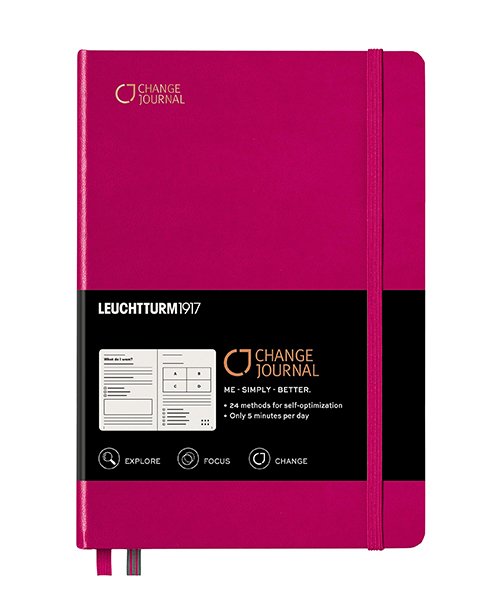
The Leuchtturm1917 ($25–$30) is the notebook recommendation that appears in multiple categories because the paper quality and physical experience of writing in it genuinely affects whether people use it consistently. Dotted grid, numbered pages, pen-bleed resistant paper. Use it however suits your wind-down — brain dump, tomorrow’s priorities, three things that happened today. The format doesn’t matter as much as the habit.
The Five Minute Journal ($27–$32) uses a prompted format — morning entry (intentions, gratitude, affirmations) and evening entry (wins, learning, improvements). The structure helps people who find blank journaling intimidating and produces a consistent daily reflection practice without requiring sustained writing. Both the physical journal and app versions are widely used.
The honest caveat: The journaling habit is significantly more important than which journal you use. Start with any blank notebook you already have. If you’re still doing it 30 days later, upgrade to something nicer.

Who it’s actually for: People with anxiety-driven sleep difficulties, anyone who sleeps cold or finds heavy blankets comforting, and people who toss and turn because they’re physically restless.
Weighted blankets use deep pressure stimulation — the same principle as a firm hug — which activates the parasympathetic nervous system and can reduce cortisol levels. The research is moderate but consistent: weighted blankets help some people fall asleep faster and feel more settled. They don’t help everyone.
Weight selection matters: the generally recommended range is 10% of body weight. A 150 lb person benefits most from a 15 lb blanket. Too light and there’s no effect. Too heavy and it’s simply uncomfortable.
The Bearaby Cotton Napper ($180–$250 depending on weight) is the premium option — hand-knit organic cotton, breathable enough that it doesn’t trap heat the way most weighted blankets do, and visually attractive as a throw on a bed or couch. The knit construction means no pellets or fill that can shift around. It’s genuinely expensive and genuinely beautiful and genuinely effective for the right person.
The YnM Weighted Blanket ($50–$80) uses the standard construction — glass beads sewn into pockets distributed through the blanket. It’s less breathable than the Bearaby and heavier in terms of perceived weight (it doesn’t air out as readily), but the core function — pressure distribution across the body — is the same. For people who aren’t sure whether they’ll benefit from a weighted blanket, starting with a $50–$60 option makes more sense than a $200 investment.
The honest caveat: Weighted blankets are the most personal sleep product on this list. If you sleep hot, they’ll make you uncomfortable. If you move around a lot during sleep, they can feel constraining. If your partner has a very different temperature preference, sharing a bed gets complicated. Try before committing to premium.
Budget vs. Premium — Sleep Product Edition
The sleep optimization industry is specifically designed to make you feel like budget options are insufficient. Most aren’t:
- Sleep mask: The $10–$15 silk mask works. Upgrade to Manta only if eye pressure is an issue.
- White noise: A fan or free app works. The machine is a convenience upgrade.
- Diffuser: $20–$22 ultrasonic does the same thing as a $130 ceramic one.
- Journal: Any blank notebook works. Upgrade when you’ve proven the habit.
- Weighted blanket: Test at $50–$60 before spending $200+.
The most impactful sleep investment is often $0 — consistent wake time, no screens 30 minutes before bed, and a cool, dark room. Products support good habits; they don’t replace them.
What Not to Buy
Sleep tracking apps with premium subscriptions. Unless you have a specific reason to know your sleep stages, sleep scores mostly create anxiety about sleep rather than improving it. Some studies suggest sleep score anxiety actually worsens sleep quality.
Melatonin doses over 0.5mg–1mg. Most pharmacy melatonin comes in 5–10mg doses. Research supports 0.3–1mg for sleep onset. Higher doses don’t work better and can disrupt natural melatonin production over time. This isn’t a product to buy but a common purchase to reconsider.
Red light therapy devices for sleep. The evidence base here is thin and the devices are expensive ($150–$400). Blackout curtains addressing morning light do more for circadian rhythm management at a fraction of the cost.
Final Recommendation
For most people with common sleep difficulties, the most effective starting lineup is: a sleep mask ($15–$35), blackout curtains if there’s light intrusion ($30–$60), and a journaling habit using whatever notebook is around.
Build those habits for 30 days. Reassess. Add a white noise machine if noise is still an issue. Add a diffuser if you respond to scent. Consider a weighted blanket if you sleep cold and feel restless.
Sleep is the foundation that everything else in a daily routine sits on. It’s worth treating seriously and investing in deliberately — just not blindly.