
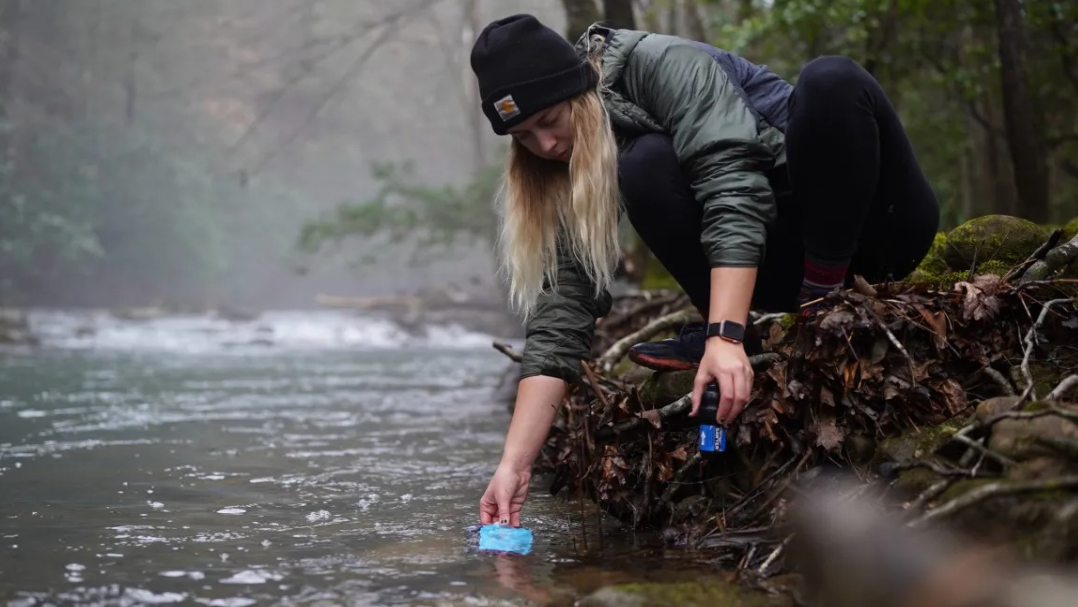
Water is the thing you can’t compromise on outdoors. You can eat less, sleep shorter, hike slower — but dehydration impairs judgment, causes headaches and muscle cramps, and in serious cases becomes a genuine medical emergency. Crystal-clear mountain stream water can contain Giardia. Water from a high-elevation lake can carry Cryptosporidium. The clarity of water tells you nothing about its biological content.
What's Actually in Backcountry Water
Protozoa
Giardia lamblia and Cryptosporidium are the two most common waterborne illnesses in North American backcountry. Both cause gastrointestinal illness that ruins trips. Both are filtered out by 0.1 micron hollow fiber filters.
Bacteria
E. coli, Salmonella, and other bacterial contamination. More common in water with upstream agricultural activity or human habitation. Also filtered by 0.1 micron filters and killed by UV and chemical treatment.
Viruses
Norovirus, Hepatitis A, and other viral contamination. Not common in North American backcountry but real concern internationally. Too small for standard hollow fiber filters — require UV treatment, chemical treatment, or virus-rated filters.
Water Filter Comparison
Filter Type | Best Product | Price | Kills Viruses? | Best For |
Hollow Fiber Squeeze | Sawyer Squeeze | $35–$40 | No | Most backpacking |
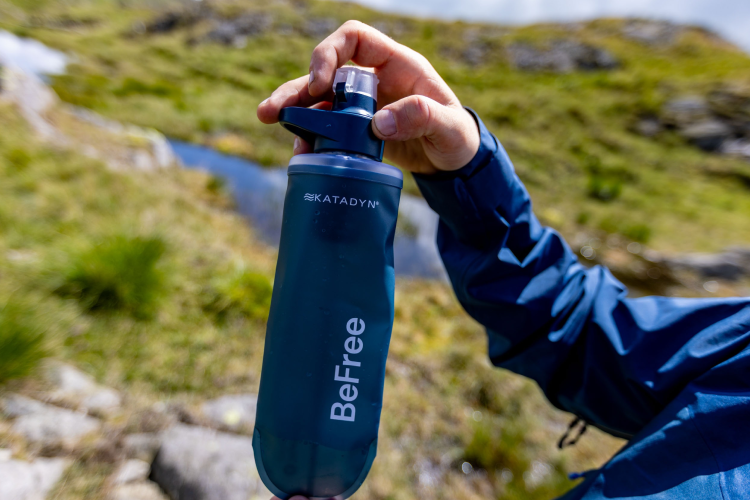
Hollow Fiber Squeeze | Katadyn BeFree | $45–$55 | No | Fast flow rate priority |
Pump Filter | MSR MiniWorks EX | $90–$100 | No | Turbid/silty water |
Gravity Filter | Platypus GravityWorks 4L | $90–$100 | No | Groups, base camping |
UV Purifier | SteriPen Adventurer | $80–$90 | Yes | International travel |
Chemical | Katadyn Micropur | $15–$20 | Yes | Emergency backup |
Sawyer Squeeze vs. Katadyn BeFree — The Real Difference
The Sawyer Squeeze screws onto a standard water bottle, is rated to 100,000 gallons, and is extremely durable. Requires regular backflushing to maintain flow rate — many people skip this and wonder why their flow drops to a trickle. The Katadyn BeFree has a notably better flow rate out of the box (close to a liter per minute in clear water) but the membrane is more delicate and the lifespan is rated lower.
For most backpackers: Sawyer Squeeze is the reliable workhorse. For fast-and-light hiking where flow rate matters and you’ll take care of the filter: Katadyn BeFree.
Hydration Systems — Bottles vs. Bladders
Water Bottles
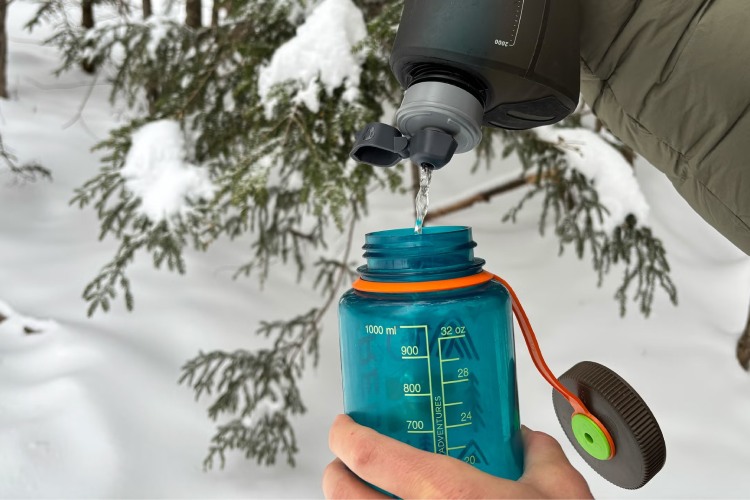
Simple, durable, no mold or leak concerns. You can see how much water you have. Works directly with most filters. Nalgene 1-liter Tritan bottle ($12–$15) is the outdoor standard — essentially indestructible, compatible with Sawyer Squeeze directly, BPA-free. One of the best value pieces of outdoor gear available.
Hydration Bladders
Osprey Hydraulics, Platypus Hoser, CamelBak Crux — feed a hose to a bite valve at your shoulder strap. Main advantage: drink without stopping or removing your pack. Downsides: harder to fill at water sources, prone to developing mold in the hose if not thoroughly dried, can’t see how much water remains, bite valve freezes in cold weather.
Many experienced backpackers use a combination: bladder for easy sipping during active hiking, water bottle for camp use and reliable measurement of supply.
Winter Water Safety
The freeze risk for hollow fiber filters is real and serious. A frozen hollow fiber membrane can crack, rendering the filter unsafe without visible damage. Keep your filter close to your body on cold nights (sleeping bag hip pocket). Never let it freeze if you can avoid it. If winter camping, carry chemical treatment as a reliable backup — it works regardless of temperature.
The standard hiking hydration recommendation is 0.5 liters per hour of moderate activity in moderate temperatures. Plan to filter at each water source rather than carrying all your water — water is heavy (1 liter = 1 kg) and over-carrying is how people overload their packs unnecessarily. Pre-filter with a bandana if source water is visibly silty to extend your filter life significantly.