
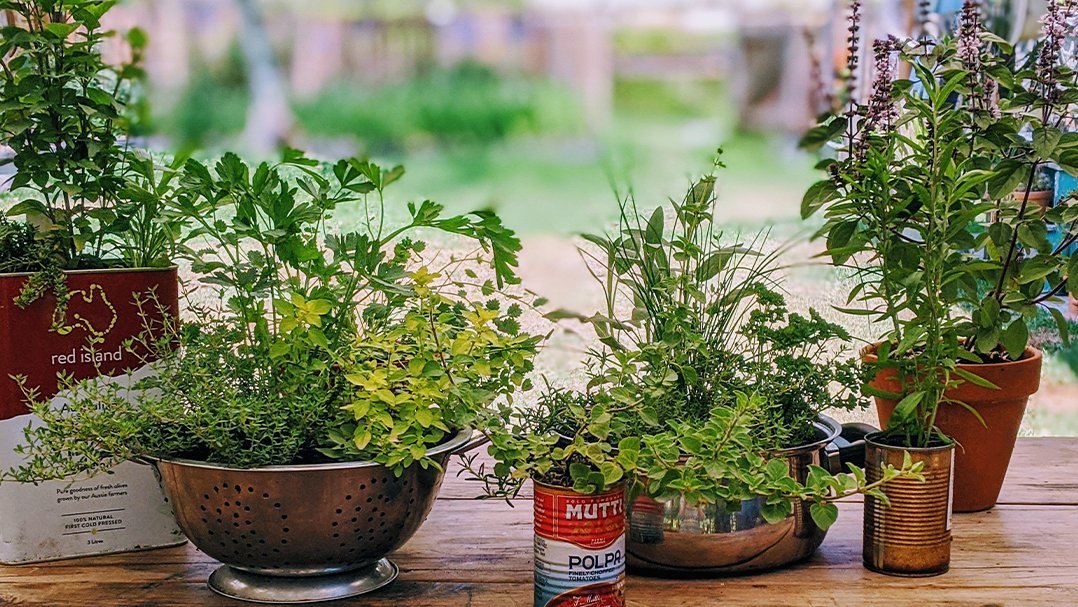
Growing herbs at home is one of the easiest and most rewarding ways to freshen up your kitchen, enhance your indoor or outdoor space, and enjoy the benefits of homegrown greenery. Whether you have a large garden, a small balcony, or just a kitchen windowsill, herbs are versatile, easy to care for, and perfect for beginners.
Herbs add flavor to your meals, provide medicinal benefits, and even improve air quality. With just a little care, you can have a thriving herb garden that provides fresh ingredients for cooking, teas, and even homemade beauty products. This guide will help you understand the basics of growing herbs at home, from choosing the right plants to making sure they stay healthy and productive.
Choosing the Right Herbs
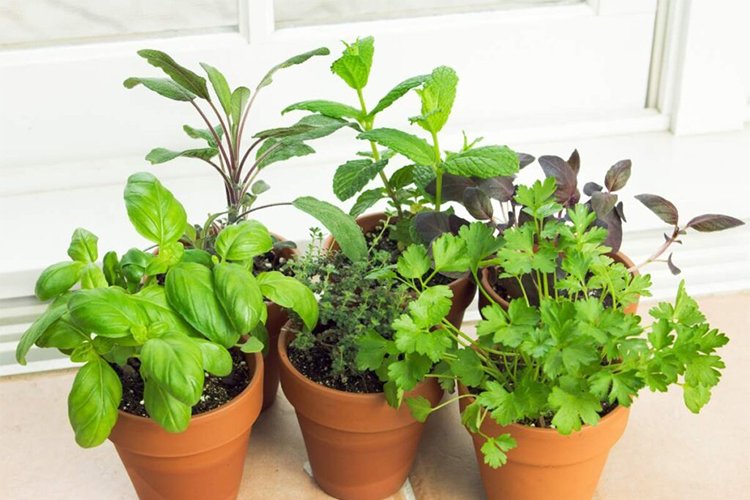
The first step in starting your herb garden is choosing the right plants. If you’re a beginner, it’s best to start with herbs that are easy to grow and require minimal care. Here are some of the most beginner-friendly options:
Basil – One of the most popular herbs, basil grows quickly and is perfect for salads, pastas and sauces. It thrives in warm conditions with plenty of sunlight.
Mint – A fast-growing herb that is great for teas, cocktails and desserts. Mint is hardy and spreads quickly, so it is best grown in a pot so it doesn’t overtake your garden.
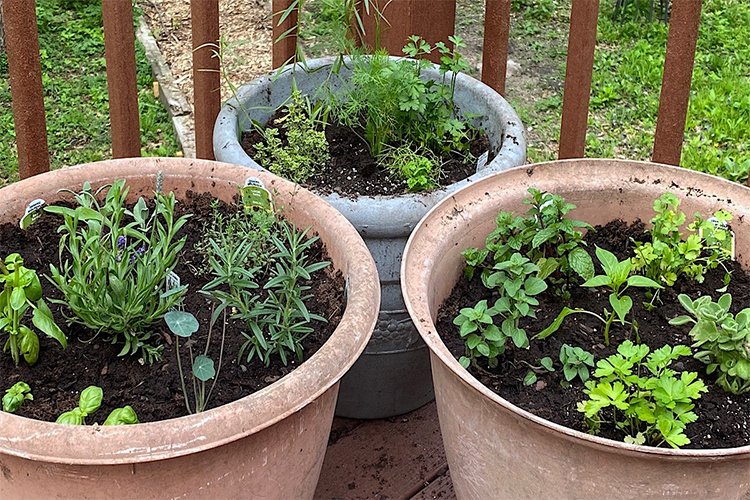
Rosemary – A fragrant herb that enhances meats and roasts. It prefers dry soil and full sun.
Thyme – A versatile herb used in soups, stews and meats. It is easy to grow and thrives in well-drained soil with plenty of sunlight.
Parsley – A fresh-tasting herb used in many dishes. It grows well indoors and outdoors and requires moderate watering.
Chives – This adds a mild onion flavor to dishes and is extremely easy to grow. It grows well in pots or garden beds.
Oregano – A must-have for Italian and Mediterranean cooking, it tolerates drought and grows best in full sun.
Choosing herbs based on your cooking habits and available space will help you get the most out of your herb garden.
Choosing the Right Growing Location
Herbs can be grown indoors or outdoors depending on your space and climate. The key to success is making sure they get the right amount of sunlight and air circulation.
Growing Indoors – A sunny windowsill or well-lit area with at least 4-6 hours of sunlight per day is ideal. South-facing windows provide the best light exposure. If natural light is limited, you can supplement with grow lights.
Growing Outdoors – If you have a garden or balcony, choose a location that receives at least 6 hours of direct sunlight daily. Most herbs prefer well-drained soil and good air circulation.
If space is limited, vertical herb gardens, hanging planters, or wall-mounted pots are great options to maximize growing space.
Choosing the Right Containers and Soil
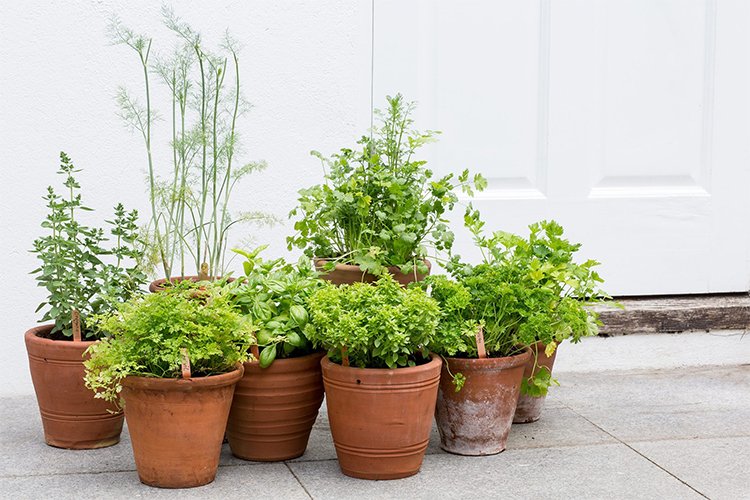
When growing herbs in containers, choosing the right pots is crucial. Herbs grow well in ceramic, clay, or plastic pots as long as they have drainage holes to prevent overwatering.
For soil, use a lightweight, well-draining potting soil that retains moisture and allows excess water to drain away. Don’t use regular garden soil, as it can be too compact and retain too much water, which can lead to root rot.
In outdoor gardens, enrich the soil with compost to improve drainage and nutrient levels. Raised beds or garden planters also work well for growing herbs.
Watering and Care
Herbs need the right moisture balance to thrive. Overwatering or underwatering can both be harmful, so it’s important to monitor the soil and adjust watering accordingly.
Basil, parsley and cilantro prefer consistently moist soil but shouldn’t be left standing in water.
Rosemary, thyme and oregano prefer drier conditions and should only be watered when the soil feels dry.
Mint loves moisture but can suffer from overwatering, so ensure adequate drainage.
A good rule of thumb is to test the soil by sticking your finger in about 1 inch deep – if it feels dry, it’s time to water. Early morning or late afternoon is the best time to water as this helps reduce evaporation on hot daysprevent.
Regular care includes pruning and harvesting herbs frequently to encourage growth and prevent them from becoming leggy or overgrown. Removing dead leaves and stems also helps maintain plant health.
Fertilizing for Healthy Growth
Herbs don’t need excessive fertilization, but a light fertilization can encourage their growth. Organic compost or a balanced liquid fertilizer applied once a month is usually sufficient. Avoid over-fertilizing, as this can affect the herbs’ flavor and aroma.
If you’re growing herbs in containers, they may need to be fertilized more frequently, as nutrients wash out more quickly when watered. A diluted organic fertilizer every 3-4 weeks should be enough to keep them healthy.
Harvesting and Storing Herbs
The best part of growing herbs is enjoying fresh, flavorful harvests! Here’s how to harvest them properly:
Pick leaves regularly to encourage new growth and prevent plants from becoming too woody.
Snip leaves and stems with scissors or garden shears rather than tearing them off by hand, which can damage the plant.
Harvest in the morning when essential oils are strongest for maximum flavor.
For long-term storage, herbs can be dried, frozen, or preserved in oil. Air drying or using a dehydrator is the best method for hardy herbs like rosemary and thyme, while delicate herbs like basil and cilantro retain more flavor when frozen.
Common Problems and How to Fix Them
Even with the best care, herbs can sometimes have problems. Here are some common problems and solutions:
Yellow leaves – This usually indicates too much water. Reduce the amount of water and provide adequate drainage.
Wilting or drooping – Could be due to too little water or excessive heat. Adjust the amount of water and provide some shade if needed.
Pests (aphids, spider mites, etc.) – If you notice small insects or spider webs on the leaves, spray the plants with neem oil or a homemade soapy water solution to keep pests away.
Slow growth – This could be due to poor nutrients in the soil or not enough sunlight. Try fertilizing the plants lightly and moving them to a sunnier location.
Conclusion
Growing herbs at home is a rewarding and convenient way to add fresh, organic flavors to your meals while improving your living space. With minimal effort, you can create an herb garden that will thrive indoors or outdoors and provide a constant supply of aromatic and nutritious ingredients.
By choosing the right herbs, providing adequate sunlight and water, and providing proper care, even beginners can create a thriving herb garden. Whether you prefer classic kitchen herbs like basil and rosemary or fragrant additions like mint and thyme, the key to success is regular harvesting, good soil and the right growing conditions.
Start your herb garden today and enjoy the satisfaction of growing your own fresh ingredients while adding greenery and beauty to your home!