

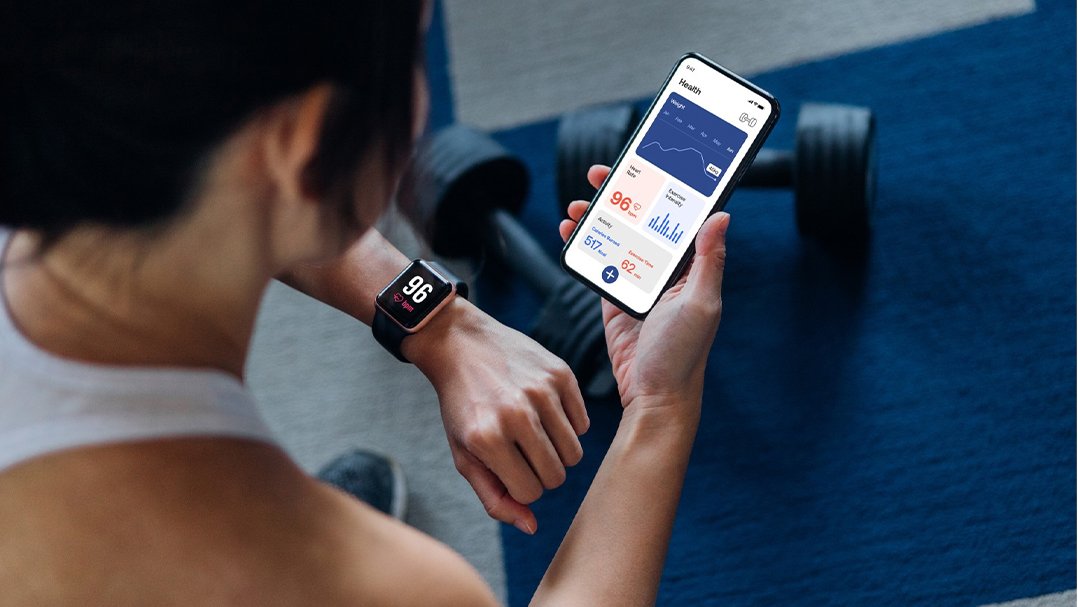
In today’s technology-driven world, tracking your fitness progress has never been easier, thanks to the countless apps available that can help you monitor everything from your daily steps to your strength gains. Whether you’re just starting out on your fitness journey or you’re a seasoned exerciser looking to take their training to the next level, the right fitness app can provide you with essential insights, motivation, and accountability. As the fitness landscape has evolved, the focus has shifted from simply tracking workouts to providing users with personalized and holistic health data.
Among the many fitness apps available, there are a few that stand out for their ease of use, comprehensive features, and positive user experiences. Here are three of the best fitness apps to help you track your progress and stay on top of your health goals in 2025.
1. MyFitnessPal
MyFitnessPal has long been one of the most popular fitness apps, and for good reason. This app not only lets you track your workouts but also your diet, making it an all-in-one tool for anyone looking to improve their health and fitness. Whether you want to lose weight, build muscle, or simply eat healthier, MyFitnessPal is a comprehensive app to help you do just that.
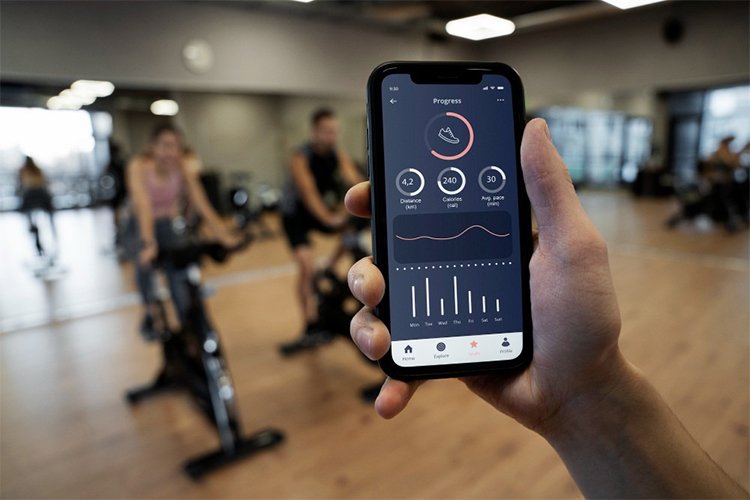
The app’s most important feature is its extensive food database, which contains millions of foods, from restaurant meals to packaged snacks. Users can easily log their meals by either searching the database or scanning barcodes for quick entry. This feature is especially useful for those who want to track their calorie intake or macros, as MyFitnessPal automatically calculates the nutritional value of the foods you log. You can set specific goals based on your needs, such as a daily calorie goal or the amount of protein, carbs, and fats you want to consume.
Aside from food tracking, MyFitnessPal also integrates with many fitness trackers and apps, including Fitbit, Garmin, and Apple Health. This means you can monitor your daily steps, heart rate, and even sleep patterns – all on one platform. The app also offers detailed progress reports that help you track your weight loss, muscle gain, or fitness progress over time.
What makes MyFitnessPal stand out is its large and active user community. The app’s social features allow you to connect with friends or like-minded people, share your goals, and motivate each other. Additionally, the app offers premium features including advanced nutrition insights and more personalized goal-setting options that can be useful if you want to dig deeper into your health data.
2. Strava
Strava is a standout fitness app for athletes, especially those who enjoy running, cycling, or outdoor activities. Known for its strong social and competitive features, Strava allows users to track their performance while interacting with a global community of fitness enthusiasts. The app is popular with both professional athletes and casual fitness enthusiasts due to its ability to accurately record a wide range of activities and provide detailed metrics.
Strava works by syncing with GPS devices or your smartphone’s GPS, allowing you to track your runs, bike rides, hikes, and even swims in real time. It provides detailed insights into your speed, distance, pace, and elevation gain, which can be especially useful if you’re training for an event or tracking your outdoor workouts. The app also breaks down each workout into key performance indicators (KPIs) such as your average pace, top speed, and heart rate, giving you a comprehensive view of your fitness.

One of Strava’s most attractive features is its social networking aspect. The app allows users to follow friends, share workouts, and compete with others. You can take part in challenges, compete against your previous times, and even join group activities. This social component adds an element of accountability and fun, motivating you to keep pushing yourself. Whether you’re tracking a long bike ride or challenging a friend to a race, Strava makes fitness feel likea collaborative effort.
Strava also includes premium features that provide more detailed analytics, such as segment analysis, personalized coaching, and advanced heart rate tracking. The ability to analyze your progress over time with detailed metrics makes Strava an ideal app for anyone serious about their fitness goals.
3. Fitbit
Fitbit is another very popular app known for its integration with the brand’s fitness trackers and wearables. However, you don’t need to own a Fitbit device to enjoy the app’s powerful tracking features. Fitbit allows users to track their daily activity, workouts, sleep, and even heart rate, giving them a comprehensive picture of their overall health.
One of Fitbit’s most important features is step tracking. The app helps users stay active throughout the day by monitoring their steps, distance traveled, and calories burned. It also encourages users to achieve daily activity goals like 10,000 steps or engage in regular exercise, such as walking, running, or cycling. Fitbit provides detailed insights into your physical activity levels and shows trends over time to help you stay on track.
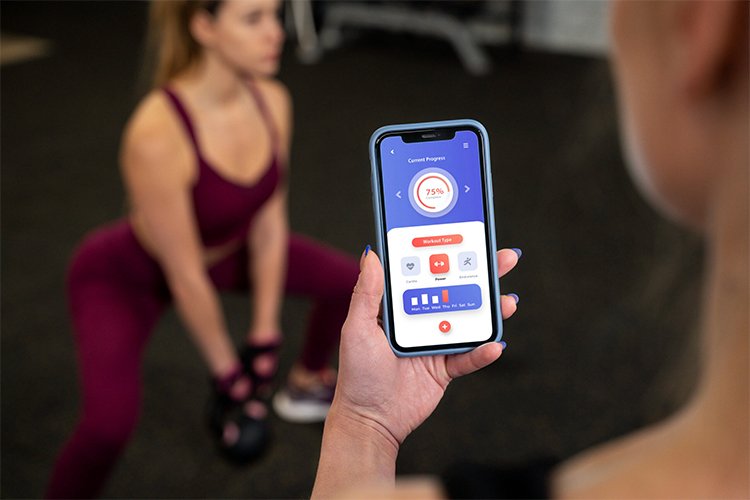
Fitbit’s premium subscription offers even more value, including personalized health insights, detailed sleep analytics, and advanced metrics. The app tracks your workouts accurately and even offers workout suggestions based on your activity history. It also offers guided breathing exercises for stress management and mindfulness, which is good for mental health in addition to physical fitness.
What makes Fitbit stand out is its user-friendly interface and integration with various fitness apps. If you own a Fitbit tracker, the app syncs seamlessly with the device and provides real-time data on your daily activity, workouts, and sleep. But even without a Fitbit device, the app can be used to track activities through your smartphone’s sensors. Additionally, Fitbit connects with third-party apps like Strava and MyFitnessPal, allowing you to store all your health data in one place.
Conclusion
Choosing the right fitness app depends on your specific fitness goals and the type of data you want to track. MyFitnessPal is ideal if you’re looking for an all-in-one app that combines fitness tracking with food logging and nutrition insights. Strava is perfect for those who enjoy running, cycling, or outdoor activities and want to add a social and competitive element to their fitness journey. Fitbit, on the other hand, offers an intuitive and comprehensive platform for tracking daily activity, workouts, and sleep, making it ideal for anyone who wants an easy-to-use app with personalized health insights.
The key to success on your fitness journey is finding the right tools to keep you motivated and on track. With the right app, you can track your progress, stay accountable, and make smarter decisions about your workouts and nutrition. Whether you’re a seasoned exerciser or a beginner, these three fitness apps – MyFitnessPal, Strava, and Fitbit – are great options to help you reach your health and fitness goals in 2025.