

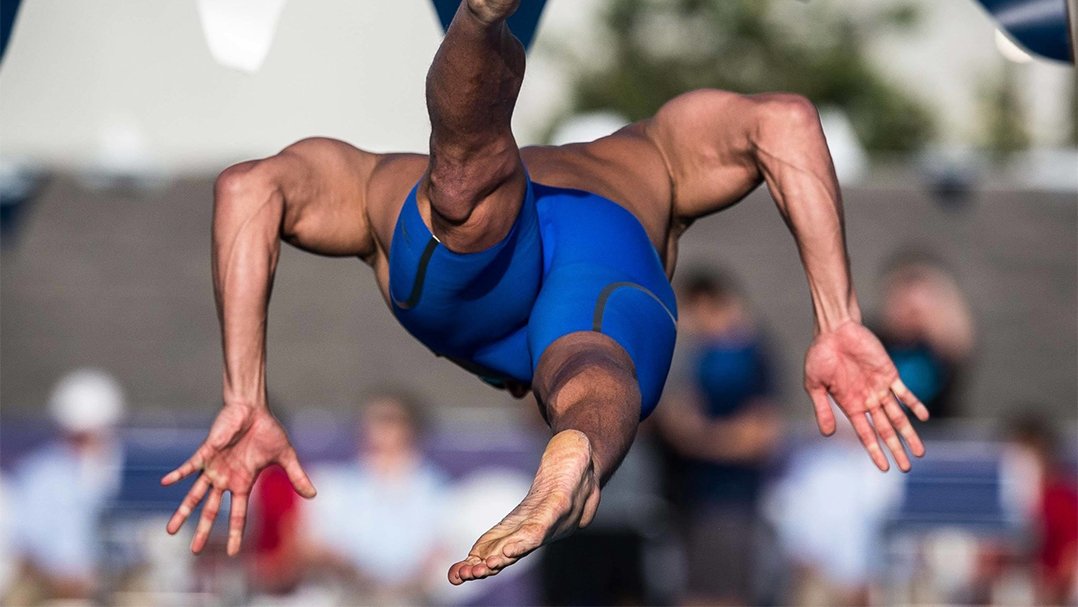
Swimming is one of the most demanding sports and requires a combination of strength, endurance, flexibility and mental focus. Whether you’re a beginner looking to improve your technique or an experienced swimmer looking to test your limits, creating an effective training routine is essential for optimal performance. In 2025, the world of competitive swimming is more dynamic than ever and the right training program can help you achieve your goals and excel in the pool.
Creating the best training routine for swim athletes involves a variety of factors, from improving endurance and speed to building strength and preventing injuries. While no two swimmers are the same, certain key training principles apply to all levels. Here’s a rundown of the best training routines for swim athletes that can boost your performance in the pool.
Warm Up: Prepare Your Body
Before diving into intense training, always start with a warm up. Warming up prepares your body for the strenuous work ahead, increases your heart rate, and reduces the risk of injury. A proper warm-up should last between 10 and 15 minutes and can include a combination of light aerobic exercise and swimming drills.
Start with a few minutes of gentle swimming at a moderate pace to loosen up. Then do dynamic stretches to increase your range of motion, such as arm circles, leg swings, and shoulder rolls. Finally, finish your warm-up with a few laps of slightly higher intensity to prepare your muscles for the main workout.
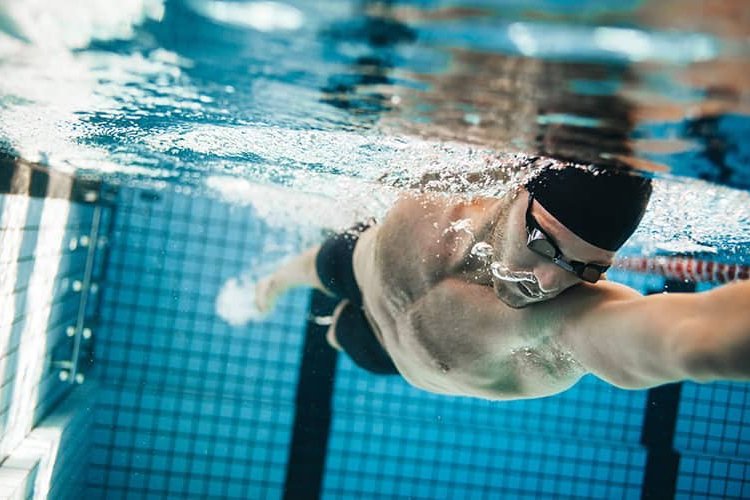
Endurance Training: Building Endurance for Longer Races
Endurance is crucial for swimming athletes, especially if you plan to compete in longer races. To build endurance, you need to practice swimming at a moderate pace over long distances. Focus on maintaining good form throughout the swim, as this will help conserve energy and prevent fatigue during the race.
For endurance training, try these two main types of workouts:
Long, uninterrupted swims: These swims will help you develop the ability to swim for long periods of time without feeling exhausted. Aim for swims between 800 and 3,000 meters, depending on your fitness level. Focus on your breathing and technique while swimming.
Interval training: Interval training involves swimming a set distance or time at a high intensity, followed by rest periods. For example, swim 100 meters at a fast pace, then rest for 20 seconds before swimming the next lap. Repeat 10-15 times. This type of workout increases your aerobic capacity and improves your ability to recover quickly during competitions.
Strength training: More power in the water
Although swimming itself is a full-body workout, adding strength training to your workout plan can improve your performance and prevent injury. Focus on exercises that target the core, legs and upper body – muscles you use a lot when swimming.
Here are some strength training exercises swimmers can incorporate into their training plan:
Core workouts: A strong core is essential for maintaining proper swimming form and technique. Incorporate planks, Russian twists, leg raises and stability ball exercises into your workout.
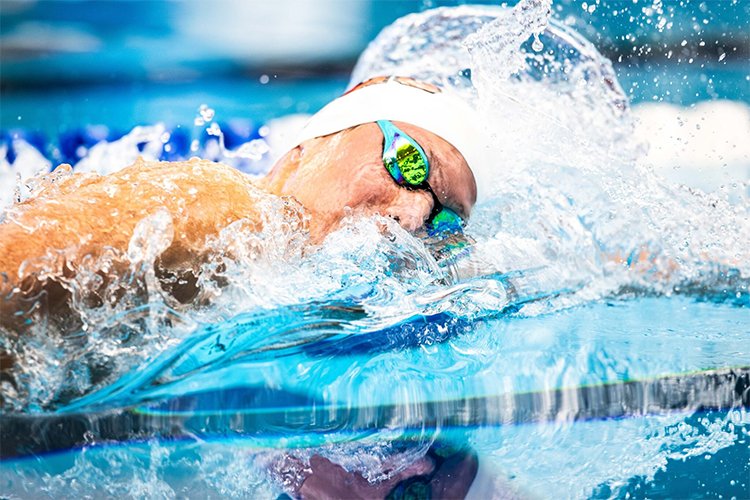
Leg strength: Swimmers rely on powerful kicks to propel themselves through the water. Do squats, lunges, leg presses and box jumps to build leg power and strength.
Upper body workouts: To improve the efficiency of your stroke, focus on strengthening your shoulders, arms and back. Exercises like push-ups, lat pull-downs, pull-ups and resistance band training can improve your upper body strength.
Speed Training: Improving Quickness and Agility
Speed is critical for swimmers, whether you’re aiming for fast sprints or want to improve your overall race times. To improve your speed, focus on high-intensity interval training (HIIT) in the pool. Swim short distances at maximum effort, then rest briefly before repeating the set.
Here are some speed-focused sets you can incorporate into your routine:
Sprints: Perform 25- or 50-meter sprints at maximum effort, followed by a complete rest. Repeat for 10-15 sets. This workout simulates race conditions and helps you develop the power and explosiveness you need to perform well on starts and turns.
Tempo sets: Swim 200 or 400 meters at a pace slightly faster than your race pace. Rest briefly, then repeat the sets. This type of training improves your pacing ability and prepares you for the demands of competition.
Speed-Endurance: Swim 100-meter sets at sprint pace with short rest periods (e.g. 15-20 seconds) between sets. This routine challenges both your speed and endurance and simulates the demands of high-intensity racing.
Technique Drills: Perfect Your Form
Swimming technique plays an important role in efficiency and speed. Even the strongest swimmers can benefit from focusing on technique drills, as improving your form leads to more streamlined swimming and less drag.
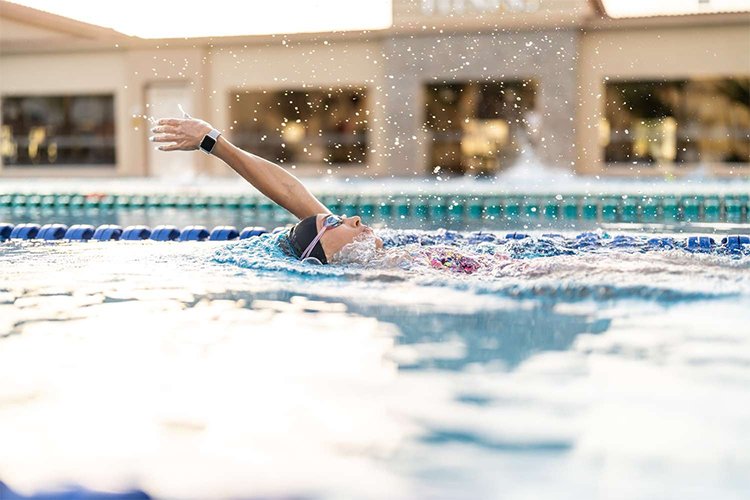
Here are some key technique drills to incorporate into your workout:
Catch-up drill: This drill helps with arm stroke efficiency. When swimming freestyle, hold one arm out in front of you and wait for the other arm to catch up before starting the next stroke. This will help you focus on proper hand insertion, arm extension and body rotation.
One-arm swimming: Swim with one arm while the other arm rests at your side. Switch arms every 25 meters. This drill will help isolate the movement of each arm, improving your swimming technique and body position in the water.
Kicking drills: Kicking is essential for propulsion and focusing on your kicking technique will help you achieve faster times. Practice kicking with or without a kickboard to improve your leg strength and kicking efficiency.
Butterfly drills: The butterfly stroke is one of the most difficult, so you should incorporate butterfly drills into your workout to improve your stroke mechanics and overall power. Try the “3-3-3” drill, where you do three butterfly strokes with your right arm, then three with your left arm and finish with three full strokes.
Flexibility Training: Keep Your Body Flexible
Flexibility is often overlooked, but it’s an important part of a swimmer’s training plan. Stretching before and after workouts can prevent injuries and improve your swimming technique. Focus on your shoulders, hips, and ankles, as these areas are the most stressed when swimming.
Incorporate dynamic stretches, such as arm circles and leg swings, into your warm-up. After workouts, use static stretches to improve your flexibility and increase your range of motion, such as shoulder, hip flexor, and calf stretches.
Recovery: Prevent Injury and Improve Performance
Recovery is just as important as training. Cool down after each session with light swimming or gentle stretches. Also, make sure you get enough rest between workouts to allow your muscles to recover and grow.
If you’re feeling tightness or discomfort, consider incorporating foam rolling or deep tissue massage into your workout. Staying hydrated after training and fueling your body with the right nutrition is crucial for muscle recovery and growth.
Bottom line: Consistency and patience are key
Training for swimming requires dedication, time and consistency. By incorporating a mix of endurance, strength, speed, technique and flexibility exercises into your training, you will steadily improve your performance and become a better swimmer. Whether you want to compete at the highest level or just improve your fitness, these training routines will help you achieve your goals. Remember to stay patient, progress takes time, and enjoy the process of becoming a stronger, faster and more skilled swimmer.