

Starting a fitness routine is easy, but maintaining it long-term requires a different approach. Many people throw themselves into intense workouts or strict diets, only to burn out after a few weeks. A sustainable fitness routine is one that fits your lifestyle, brings you joy, and supports your long-term health. The key is to create habits that are realistic, flexible, and enjoyable, so exercise becomes a natural part of your life rather than a short-term commitment.
The first step in building a sustainable fitness routine is to find activities you enjoy. If you hate running, don’t force yourself on the treadmill every day. Instead, try different types of exercise—strength training, yoga, swimming, walking, dancing, or cycling. The best workout is one you look forward to, as it provides consistency. Try new things and see what works for you. Variety also keeps things interesting and prevents boredom, making it easier to stick to your routine long-term.

Another important factor is setting realistic goals. Many people give up on their fitness journey because they have unattainable expectations. Instead of trying to lose a lot of weight or gain extreme amounts of muscle mass in a short period of time, focus on small, achievable milestones. Whether you commit to three workouts a week, walk 10,000 steps a day, or gradually increase your strength, progress should be steady and manageable. Celebrating small wins keeps you motivated and helps you stay on track.
Consistency is the foundation of any long-term fitness plan. But that doesn’t mean you have to work out every day. A sustainable routine allows for flexibility. Life goes on—work, travel, and personal commitments can throw off your schedule. Instead of giving up completely when you miss a workout, adapt and find ways to stay active, even if it’s just a short walk or a quick bodyweight workout at home. A balanced approach will ensure fitness remains a part of your life and not a source of stress.
Nutrition plays an important role in sustainability. Many people make the mistake of adopting extreme diets that are difficult to maintain. Instead of restricting your diet, focus on fueling your body with whole, nutrient-dense foods. Prioritize proteins, healthy fats, and complex carbohydrates to support your training and recovery. Hydration is equally important—drinking enough water promotes performance, digestion, and overall well-being. Sustainable fitness isn’t just about exercise; it’s about developing a lifestyle that supports your physical and mental health.
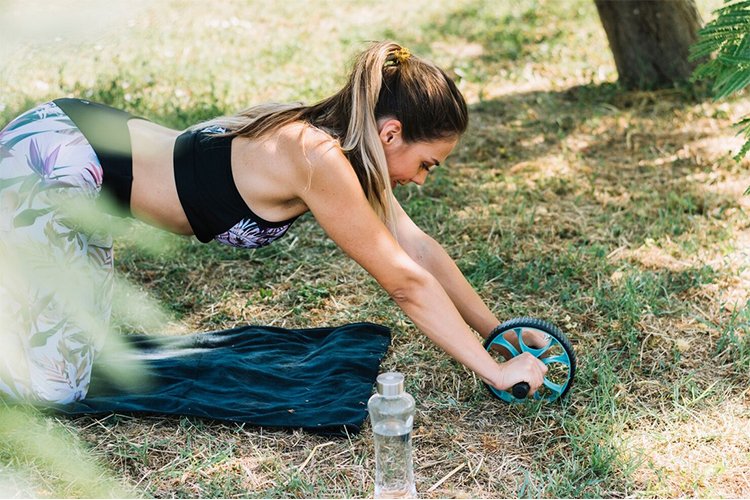
Rest and recovery are often overlooked, but they’re just as important as the workout itself. Overtraining can lead to burnout, injury, and loss of motivation. Be sure to include rest days in your schedule and listen to your body. Stretching, foam rolling, and active recovery sessions like yoga or light walks can aid muscle recovery and prevent stiffness. Good sleep is also crucial—aim for at least seven to eight hours a night to allow your body to recover and recharge.
Building a fitness routine also means finding a support system. Whether it’s a workout buddy, an online community, or a personal trainer, surrounding yourself with people who encourage and inspire you can make a huge difference. Accountability will keep you committed and motivated to keep going, especially on days when motivation is low.
Another important aspect of sustainability is adaptability. As your fitness level improves, your routine should evolve. Challenge yourself with progressive overload – gradually increase the intensity of your workouts to avoid plateaus. If you start to get bored, change things up by trying new workouts, adjusting your schedule, or setting new goals. Keeping your routine dynamic will prevent stagnation and keep you committed.

Mental health is closely linked to fitness, and a positive attitude toward exercise can have a huge impact. Don’t think of exercise as a punishment or obligation, but as an act of self-care. Exercise releases endorphins, reduces stress, and boosts confidence. When you change your perspective, fitness becomes something you do for yourself, rather than something you have to do.
Ultimately, a sustainable fitness routine isn’t about perfection, it’s about balance and long-term consistency. It should complement your lifestyle, rather than disrupt it. By focusing on fun, flexibility, and gradual progress, you’ll create a routine you can maintain for years to come. Fitness is a lifelong journey, and the goal is to develop habits that support your health and happiness in a way that feels natural and fulfilling.
Leave a Comment