
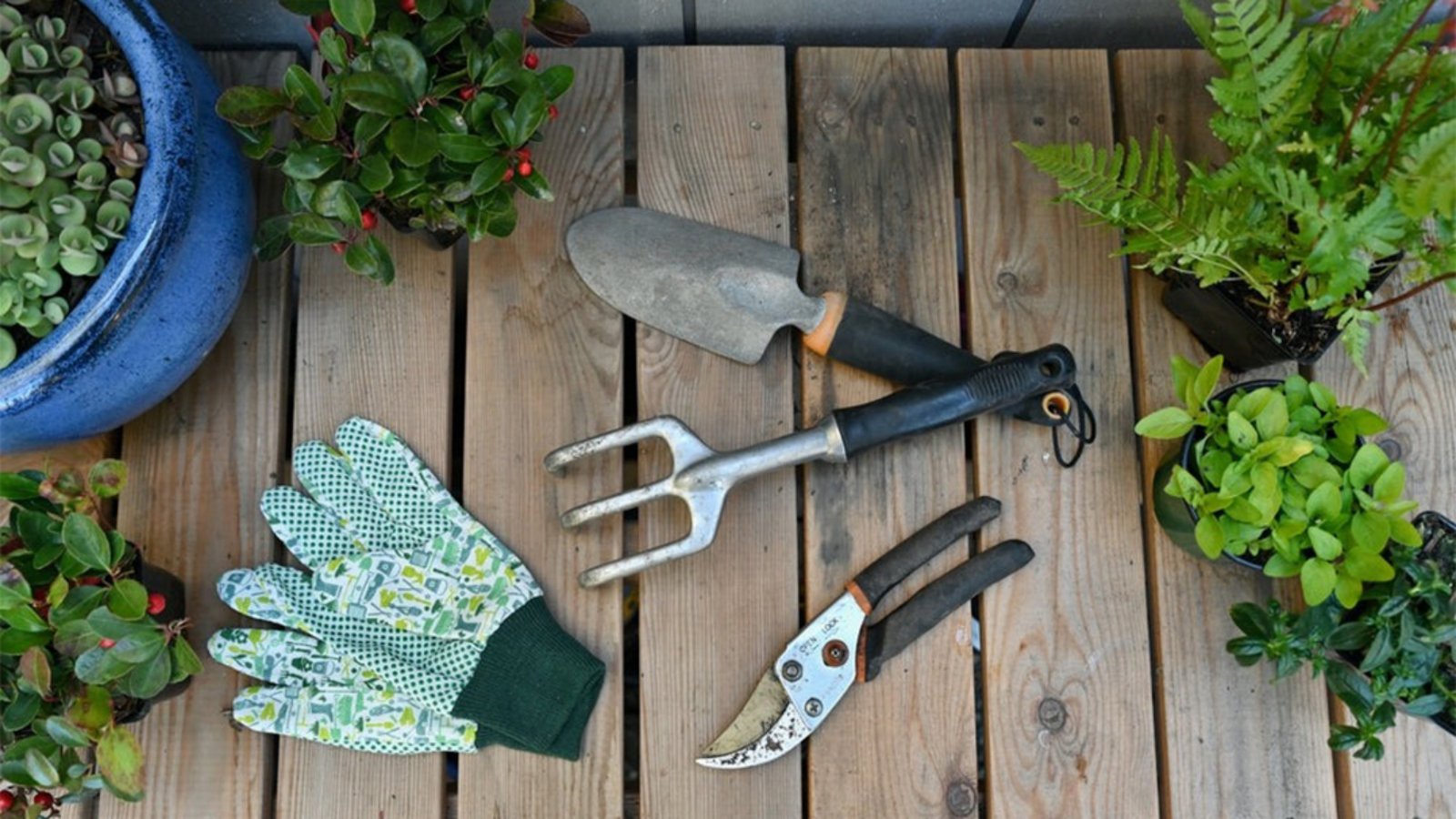
Gardening is a rewarding and therapeutic hobby, whether you’re growing a few potted plants or tending a full-fledged garden. To make your gardening experience go more smoothly and efficiently, it’s important to have the right tools. Having the right set of tools will not only enhance your gardening experience, but will also ensure your plants grow and thrive healthily.
However, it’s easy to feel overwhelmed by the wide variety of gardening tools available, especially when you’re just starting out. The key is to invest in a set of essential gardening tools that will meet your needs and allow you to care for your plants, maintain your garden, and avoid unnecessary purchases. Whether you have a small balcony garden or a sprawling backyard, there are a few basic tools every homeowner should own.
Having the right tools will help prevent injuries, increase productivity, and enable better plant care. A well-equipped garden tool set will allow you to complete various tasks such as digging, pruning, watering and planting with ease. Let’s take a look at the essential gardening tools you need to create and maintain a thriving garden.
1. Hand Trowel
A hand trowel is an essential tool for any gardener. It is the Swiss Army knife of gardening and allows you to perform a variety of tasks such as digging, planting, weeding and transplanting plants. With a sturdy, ergonomically designed handle, it allows you to reach into tight areas with ease. This is perfect for planting flowers, vegetables and herbs, especially if you don’t have access to large garden beds.
Look for a trowel made of stainless steel or another durable material that can handle hard soil and last for years. A quality trowel will also have a comfortable handle to avoid hand fatigue during prolonged use.
2. Garden Shears (Pruning Shears)
Garden shears are essential for maintaining the health of your plants. Whether you’re trimming back dead branches, shaping your shrubs, or trimming stems, pruners are essential for making clean, precise cuts. These pruners will keep your plants healthy, encourage growth, and prevent disease.
For general use, you should use bypass pruners as they provide the smoothest cut. If you need to trim thicker branches, you may need anvil pruners. Sharp pruners will ensure your cuts are clean and won’t damage your plants.
3. Garden Fork
A garden fork is a versatile tool that you can use to loosen compacted soil, mix compost, or aerate your lawn. It’s especially handy for turning over soil and digging up stubborn weeds or rocks. The pointed tines of a garden fork allow you to reach deep into the soil without damaging the roots of your plants.
Look for a fork with strong stainless steel tines and a solid, comfortable handle that will give you leverage when working with harder soil. This tool is essential for loosening and aerating soil in preparation for planting.
4. Watering Can or Hose
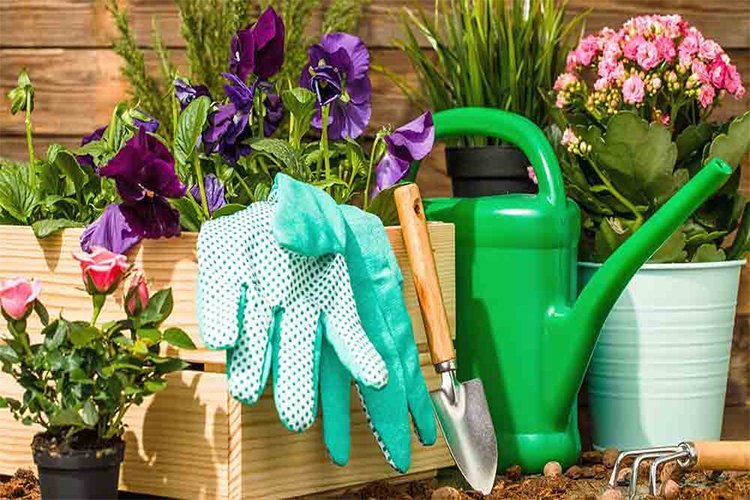
Watering your plants is essential to their survival, and a quality watering can or hose will make the job easier. A watering can is perfect for potted plants, hanging baskets, or small flower beds, while a hose is ideal for larger gardens and lawns. Make sure your watering can has a long spout for controlled watering and a comfortable carrying handle.
For a hose, choose one with an adjustable nozzle that allows you to control the water pressure and distribution. This will avoid overwatering your plants and provide them with the right amount of water for healthy growth.
5. Gloves
A good pair of gardening gloves is a must to protect your hands when working with soil, plants, and gardening tools. Gloves protect your hands from thorns, sharp objects and dirt that can cause irritation. They also protect your skin from blisters, calluses and harmful chemicals in pesticides or fertilizers.
Choose gloves that are breathable yet durable. Leather gloves are great for heavier tasks, while cotton or nitrile gloves are better for lighter gardening tasks.
6. Rake
Rake comes in a variety of styles and serves multiple purposes, from picking up leaves and grass clippings to leveling soil. A garden rake is useful for mulchingch or spreading soil over garden beds, while a leaf rake is designed for picking up leaves and debris in your garden.
Look for a rake with adjustable tines, as you can adjust the width depending on the task at hand. A lightweight rake with a comfortable handle is ideal to reduce strain during extended use.
7. Garden Hoe
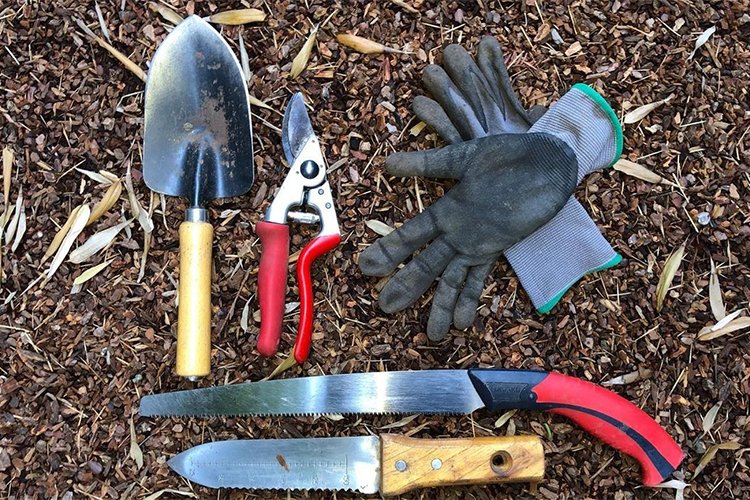
A garden hoe is an essential tool for weeding and tilling. It helps to break up hard soil, remove weeds and aerate the soil, keeping the soil loose and promoting plant growth. Hoes come in a variety of styles, with both long and short handles depending on your needs.
A long-handled hoe provides a comfortable reach and reduces bending, while a short-handled hoe offers more precision for smaller gardening tasks. Choose a hoe based on the specific tasks you want to do in your garden.
8. Wheelbarrow
A wheelbarrow is essential for hauling soil, mulch, compost, plants and garden waste. It helps you move heavy items around your garden without straining your back. Whether you’re clearing weeds, spreading mulch or transplanting new plants, a sturdy wheelbarrow will make the job easier and more efficient.
Look for a wheelbarrow with a sturdy steel frame and a comfortable handle, as these are designed to withstand heavy use. Opt for one with a large, balanced wheel for better maneuverability on different surfaces.
9. Soil Tester
Understanding your soil is crucial to growing healthy plants. A soil tester is an affordable tool that can help you check the pH, nutrient levels, and overall health of your soil. Knowing the condition of your soil will help you improve it properly and ensure your plants thrive.
Soil testers come in a variety of models, from basic pH testers to more advanced kits that measure multiple elements. Regular testing can help you maintain the right growing conditions for your garden and prevent problems like nutrient deficiencies.
10. Shed or Storage Solution
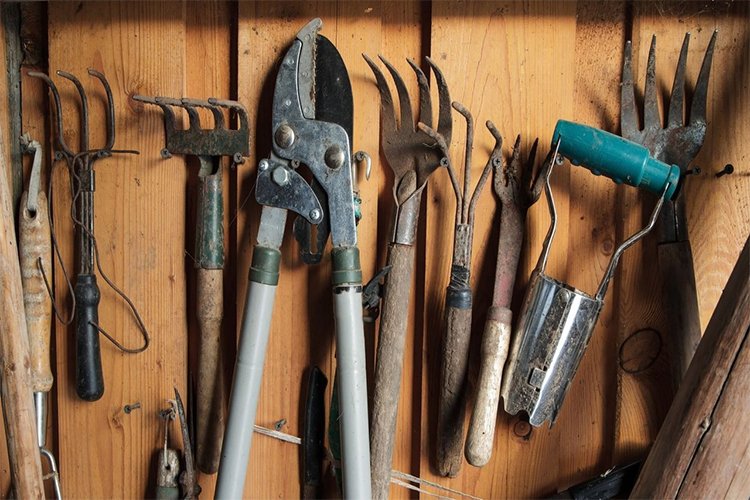
While not a tool in the traditional sense, a garden shed or storage solution for your tools is essential. Keeping your tools organized and protected from the elements will ensure their longevity and make them easy to find when needed. Whether you build your own storage shed or use a smaller toolbox, having a dedicated space for your tools is a must.
By storing your tools in a designated area rather than on the ground, you reduce the risk of rust and damage while ensuring your tools are always accessible.
Conclusion
Gardening is a fulfilling and rewarding hobby that allows you to connect with nature and create beautiful outdoor spaces. However, the right tools are necessary to make the process enjoyable and effective. Investing in basic gardening tools like a hand trowel, pruning shears, garden fork, watering can, gloves, rake, hoe, wheelbarrow, soil tester, and storage solutions will help you maintain a thriving garden with minimal effort.
The choice of tools will depend on the size of your garden and the tasks you need to complete, but with the basics, you’ll be well equipped to care for your plants and enjoy the benefits of your garden year-round. By choosing high-quality, durable tools that meet your needs, you can maximize your gardening success and create a space you can be proud of.
Leave a Comment