
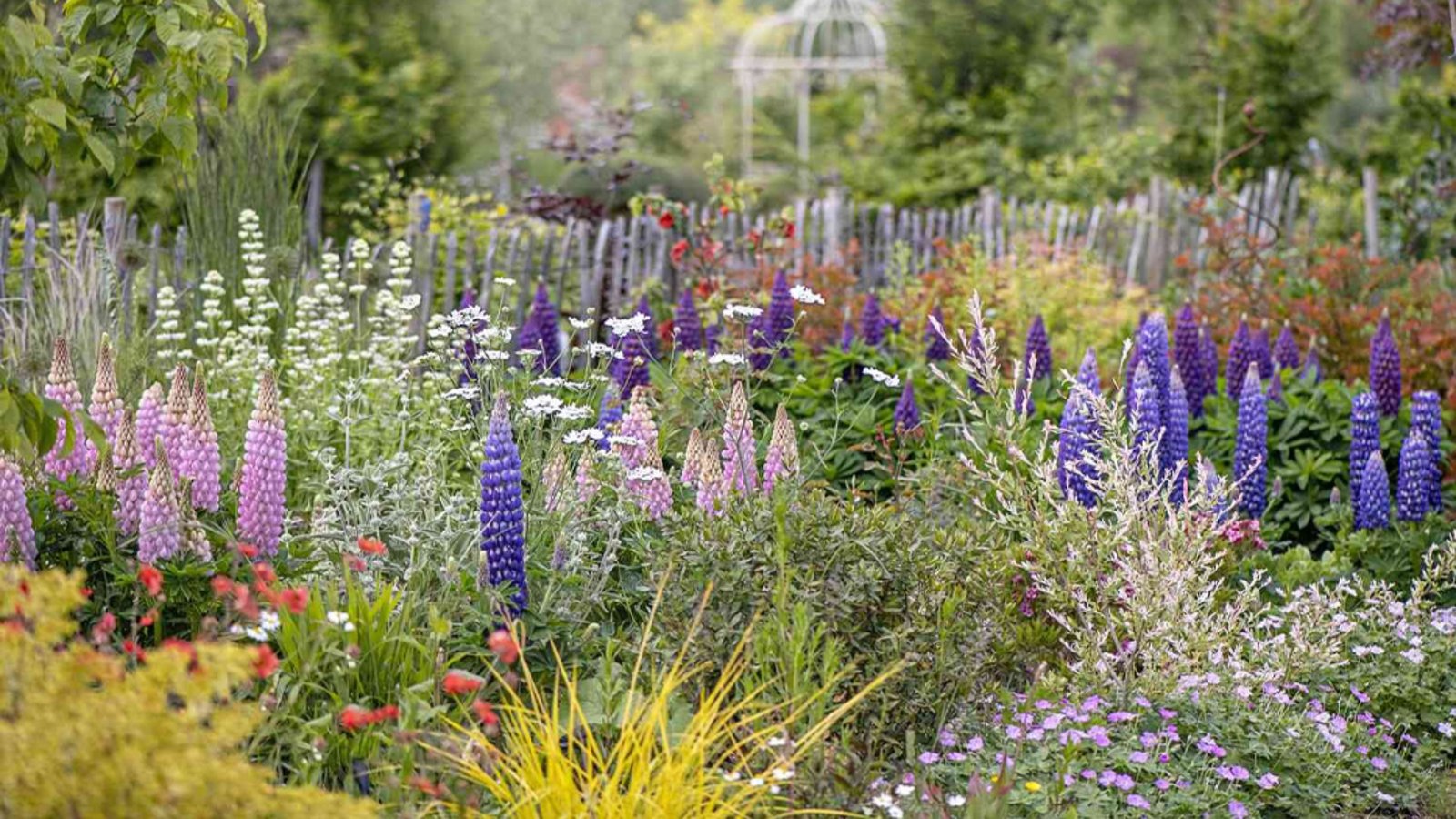
A thriving garden is every homeowner’s dream, but maintaining its beauty year-round can be challenging. Each season brings different weather conditions that can either encourage or hinder plant growth. Knowing how to care for your garden every season will help you ensure it stays healthy, vibrant, and thriving year-round.
Gardening isn’t just about planting and watering; it requires planning, proper care, and adjustments depending on the season. Whether you have a flower garden, a vegetable patch, or a mix of both, knowing what steps to take each season will make a significant difference to the long-term health of your plants. With a little effort and the right techniques, you can keep your garden in tip-top shape every season.
Spring: A Season of Growth and Renewal
Spring is the most exciting time of year for gardeners, as plants begin to grow again after winter dormancy. As temperatures rise, your garden needs extra attention to ensure strong, healthy growth.
Start by clearing away any debris that has accumulated over the winter. Rake away dead leaves, remove weeds, and prune damaged or dead branches. This will prevent disease and make room for new growth.
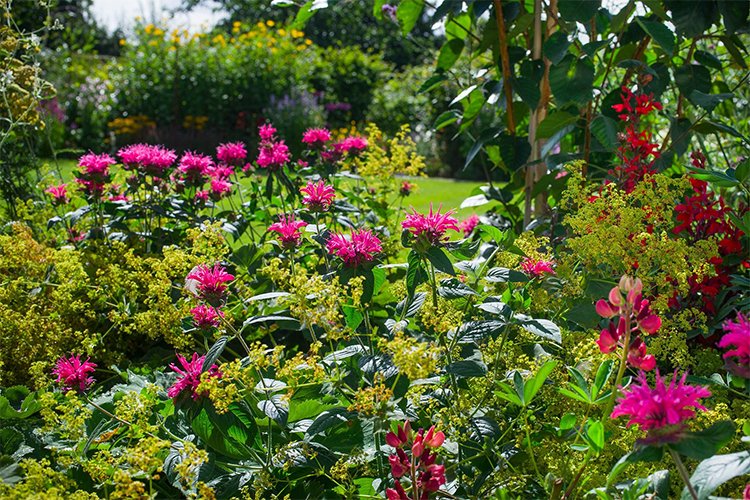
Spring is the ideal time to prepare your soil. Adding compost or organic matter provides essential nutrients for plant growth. A soil sample can help you determine if additional amendments, such as fertilizers or pH balancers, are needed.
When planting, choose flowers and vegetables that thrive in spring, such as tulips, daffodils, lettuce, and spinach. If you’re growing heat-loving plants like tomatoes and peppers, start them indoors or in a greenhouse before transplanting them outside later.
Watering is essential during this time, as young plants need consistent moisture to form strong roots. However, avoid overwatering as this can lead to root rot.
Pest control is another important aspect in spring. As temperatures rise, pests such as aphids, slugs and snails become more active. Keep an eye on your plants and use natural repellents such as neem oil or intercropping to keep pests away.
Summer: Keep your garden moist and protected
Summer brings warm temperatures, longer days and more sunshine, which while it can help plants thrive, can also cause stress if not managed properly. One of the biggest challenges in summer is keeping plants hydrated.
Especially during hot spells, it is important to water thoroughly and regularly. The best time to water your plants is early in the morning or late in the evening to reduce water loss through evaporation. Using mulch around plants helps retain soil moisture and keeps roots cool.
Weeding should also be a priority in summer. Weeds compete with your plants for nutrients and water, so removing them regularly will prevent them from overtaking your garden.
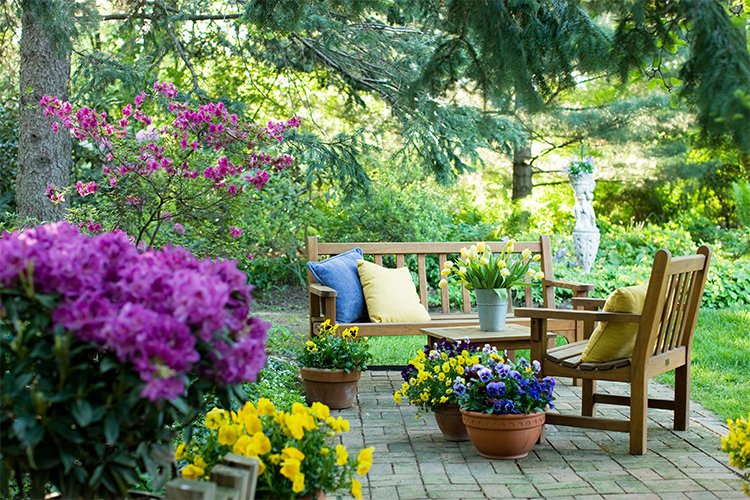
Certain plants may need extra protection from the intense summer sun. Consider using shade cloth for sensitive plants or moving potted plants to a shaded area during the hottest times of the day.
Removing spent blooms will encourage more blooms to appear and keep your flowerbeds looking fresh and vibrant. In vegetable gardens, harvest regularly to increase yields.
Pest control in summer is essential as insects and diseases thrive in warm conditions. Keep an eye out for common summer pests such as whiteflies, spider mites and Japanese beetles. Using organic pest control methods or introducing beneficial insects such as ladybugs can help keep pests under control.
Fall: Preparing for Cooler Months
Fall is a transitional season when temperatures begin to drop and some plants go dormant. It’s also the perfect time to prepare your garden for the colder months ahead.
Start by cleaning up your garden. Remove dead or diseased plants to prevent pests and diseases from overwintering. Compost healthy plant material to enrich the soil for the next season.
Fall planting is also beneficial for certain plants. Hardy perennials, trees and shrubs grow strong roots in the cooler months so they can bloom in the spring. Fall is also a good time to plant spring-blooming bulbs like tulips, crocuses and daffodils.
Fall lawn care is also important. Aerating the soil and fertilizing will strengthen your grass before winter sets in. Leaves that fall on your lawn should be raked up or made into mulch so they don’t smother your lawn.
For vegetable gardens, some cool-season plants like kale, broccoli and carrots can still be planted. These plants thrive in cooler weather and can be harvested into late fall.
A layer of mulch around plants will protect their roots from early frosts. If you have sensitive plants, consider covering them with horticultural fleece or bringing potted plants indoors before temperatures drop too much.
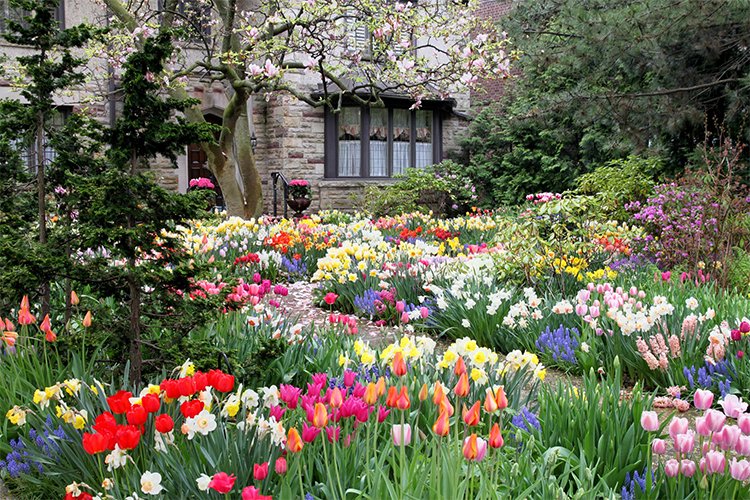
Winter: Protecting and Planning for Next Season
Winter may seem like a quiet time for gardening, but there are still tasks to complete to ensure your garden stays healthy. While some plants go dormant during the winter, others need extra protection from frost, snow, and high winds.
One of the best things you can do for your garden during the winter is to protect sensitive plants. Use mulch, burlap, or frost protection to protect sensitive plants from freezing temperatures.
If you have potted plants that aren’t winter hardy, bring them indoors or into a greenhouse where they’ll be protected from frost damage.
Winter is also a great time for garden planning. Make note of what worked well in your garden over the past year and what needs improvement. Use this time to research new plants, design new garden designs, and order seeds for spring planting.
Pruning is another task that can be done during the winter, especially for trees and shrubs that go dormant. Proper pruning encourages healthy growth when spring arrives.
Even though growth slows in winter, evergreens and newly planted trees still need watering, especially when rainfall is lacking. Water on warmer days when the ground is not frozen to prevent drying out.
Conclusion
A thriving garden requires year-round attention, but with proper seasonal care, you can maintain a beautiful and productive outdoor space any time of year. Spring is all about renewal and preparation, summer requires watering and maintenance, fall is about tidying up and preparing for winter, and winter provides an opportunity for protection and planning.
By understanding your plants’ needs in each season, adjusting your gardening techniques accordingly, and staying proactive with care, you can enjoy a thriving and lush garden year-round. Whether you grow flowers, vegetables, or a mix of both, a little care and attention in each season will ensure your garden remains a source of beauty and joy.
Leave a Comment