
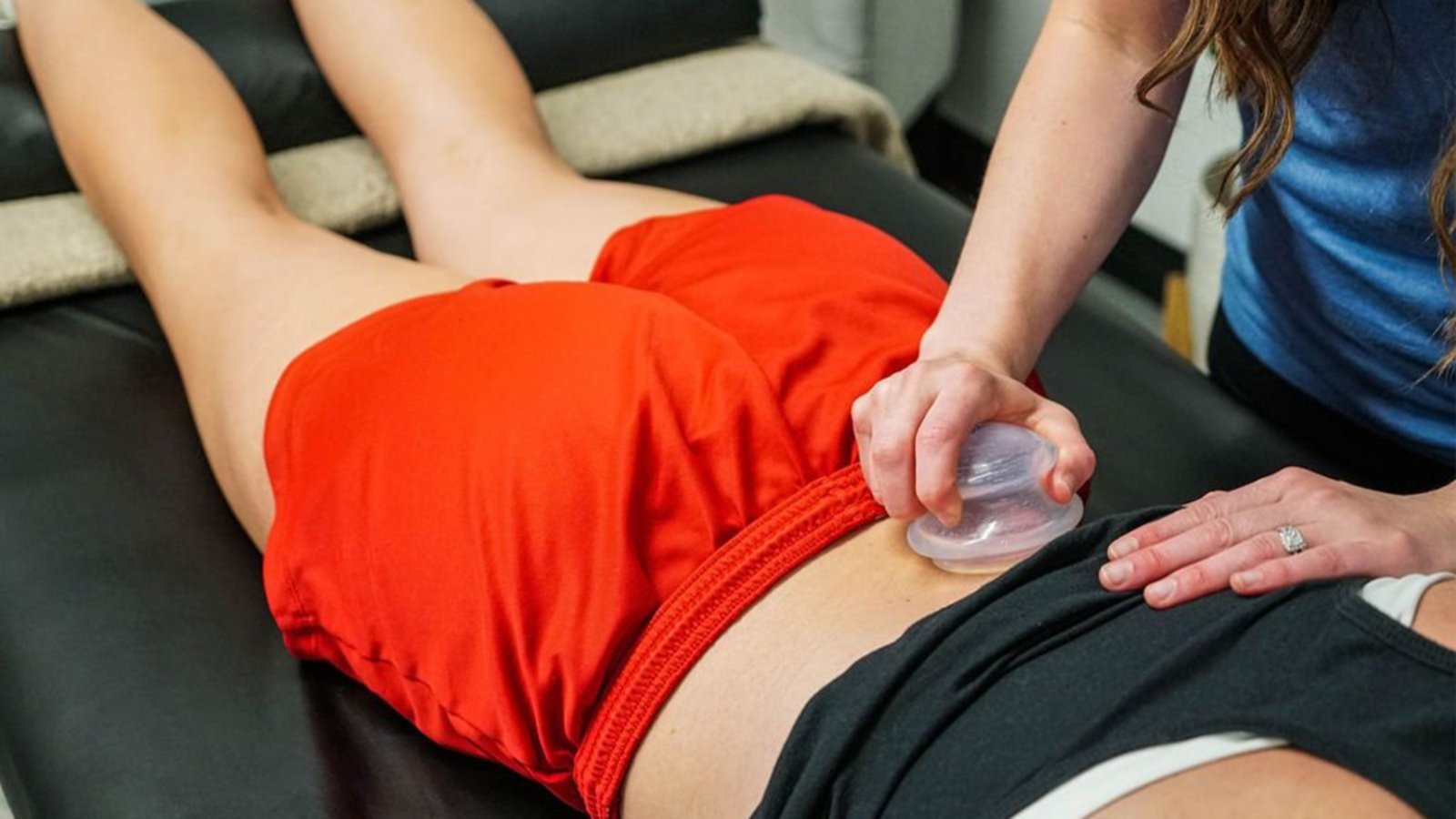
Athletes, whether professional or amateur, know that the key to sustained performance goes far beyond the physical exertion during a game. The secret to success in any sport is not only pushing yourself to the limit during competition, but also how you recover afterward. Effective post-game recovery strategies play a critical role in preventing injuries, restoring muscle function, and ensuring athletes remain in peak condition. These recovery methods are the foundation for staying strong, healthy, and ready for the next challenge.
In 2025, when the demands on athletes are higher than ever, optimizing recovery is an essential aspect of training that shouldn’t be overlooked. Whether you’re recovering after a basketball game, a sprint, or a long-distance run, a post-game routine is critical to maximizing your potential. Here’s why recovery is important, what it involves, and how you can use these strategies to recover like a champion.
Why Recovery Is Important
When you push your body to the limit during training, small tears develop in your muscle fibers. These micro-tears are a normal part of the process that builds strength, but they also take time and proper care to heal properly. Without proper rest, the body cannot fully repair these fibers, which can lead to fatigue, persistent muscle soreness, and even injury.

Recovery also plays a critical role in restoring energy stores that are depleted during intense activity, such as glycogen in the muscles, and helps return the body to its optimal functional state. In addition, it helps reduce inflammation and any residual soreness from the physical stress of playing. When recovery strategies are implemented correctly, athletes can return to competition or training with renewed energy and a lower risk of injury.
Key Post-Game Recovery Strategies
Hydration and Nutrition: Fueling Recovery
Immediately after intense physical exertion, the body needs proper nutrition to start the recovery process. One of the first things athletes should focus on is hydration. During physical activity, especially in hot weather, the body loses fluid and electrolytes through sweating, which can impair muscle function and lead to dehydration. Drinking water, coconut water, or sports drinks will help replenish lost fluid and balance electrolyte levels, preventing cramping and fatigue.
In addition to hydration, it’s important to eat a protein and carbohydrate-rich recovery meal or snack within 30 to 60 minutes of a game. Protein helps repair muscle tissue, while carbohydrates replenish glycogen stores. A post-game snack like a protein smoothie, lean chicken with quinoa, or a bowl of Greek yogurt with berries provides the perfect balance for recovery.
Stretching and flexibility exercises: Improve flexibility
After a game, muscles are often tight and stiff due to the intensity of the movement. Stretching and flexibility exercises are great for improving flexibility, improving muscle recovery, and preventing injury. Dynamic post-game stretching, such as leg swings or arm circles, helps maintain joint mobility and keep muscles flexible.
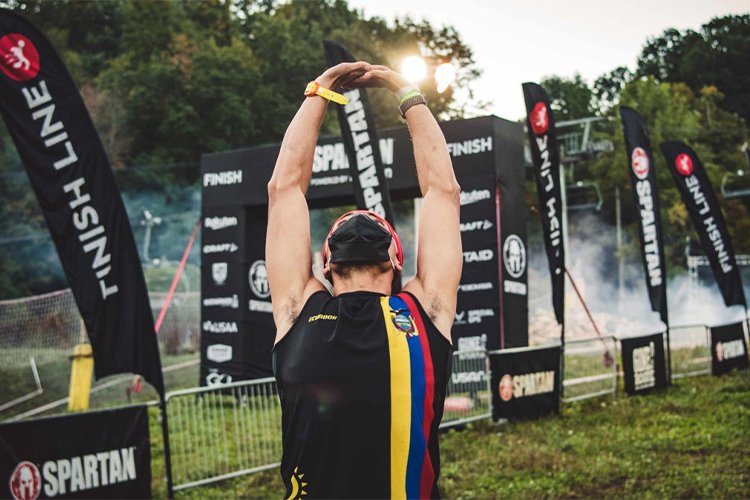
Static stretching can also be helpful once your heart rate has returned to normal. This involves holding stretches for about 20 to 30 seconds for each muscle group. This improves range of motion, reduces tightness, and increases blood flow to the muscles. Regular stretching as part of a post-game routine can help keep muscles supple and ready for the next game.
Active recovery: Keep the blood moving
The idea of sitting still after an intense game may seem tempting, but active recovery is often more effective. Gentle exercise such as walking, cycling or swimming can help keep blood flowing in your muscles, preventing stiffness and reducing pain. Active recovery also helps remove metabolic waste products such as lactic acid that build up during exercise.
A light jog or bike ride for 15 to 20 minutes is enough to promote recovery without overexerting the body. The goal is to exercise with low Iintensity to help muscles recover while avoiding stress. This type of recovery not only feels refreshing, but can also contribute to a faster return to optimal performance.
Sleep: The Ultimate Recovery Tool
Sleep is arguably the most powerful recovery tool at your disposal. During sleep, the body goes into repair mode and releases growth hormones that promote muscle recovery and tissue repair. It is also the time when glycogen stores are replenished and energy levels are restored for the day ahead.

After a game, aim for a good night’s sleep of 7 to 9 hours. This allows your body to fully recover, heal muscle damage, and reduce inflammation. Athletes who make sleep a priority tend to perform better in subsequent games and training sessions and have a lower risk of injury. In addition to getting enough sleep, consider establishing a sleep routine to optimize the quality of recovery, such as limiting screen time before bed, keeping the bedroom cool, and establishing a consistent bedtime.
Cold Therapy and Compression: Reduce Inflammation
Cold therapy has long been used by athletes to minimize inflammation and reduce muscle soreness. This can be in the form of ice baths or cold showers, which help constrict blood vessels and reduce metabolic activity in the muscles. While this may sound harsh, it can have powerful benefits in reducing muscle swelling and preventing muscle soreness (DOMS).
Compression therapy is another excellent option to consider. Compression garments such as sleeves or socks improve circulation and reduce swelling by applying gentle pressure to the muscles. This garment can be worn for several hours after a game to aid in the recovery process. Combining cold therapy and compression strategies can provide athletes with an effective one-two punch for muscle recovery.
Mindfulness and mental recovery
Post-game recovery isn’t just about physical repair; mental recovery is just as important. After a stressful or intense game, athletes may feel mental exhaustion, stress, or frustration. Incorporating mindfulness techniques like meditation, deep breathing, or even yoga can help calm the mind, reduce stress, and promote overall well-being.
Taking time to reflect on the game, relax, and clear the mind can also help athletes stay mentally sharp and focused for the next competition. The ability to recover mentally is just as important as physical recovery, and athletes who relax mentally often perform better in subsequent games.
Bottom line: Recovery is the key to longevity
The best athletes know that their performance on the field, court, or track is directly related to how well they recover after a game. Recovery isn’t just about resting; it’s about strategically taking care of the body to ensure it heals, recharges, and is ready to take on the next challenge. By incorporating strategies like hydration, proper nutrition, active recovery, sleep, and mental relaxation, athletes can consistently perform at their best, prevent injury, and stay strong long-term.
Employing these post-game recovery strategies will not only improve performance, but will help maintain a long, healthy sports career. Whether you’re an aspiring champion or just a weekend warrior, remember that recovery is just as important as the effort you put into training and competing. Take care of your body, and it will take care of you!
Leave a Comment