
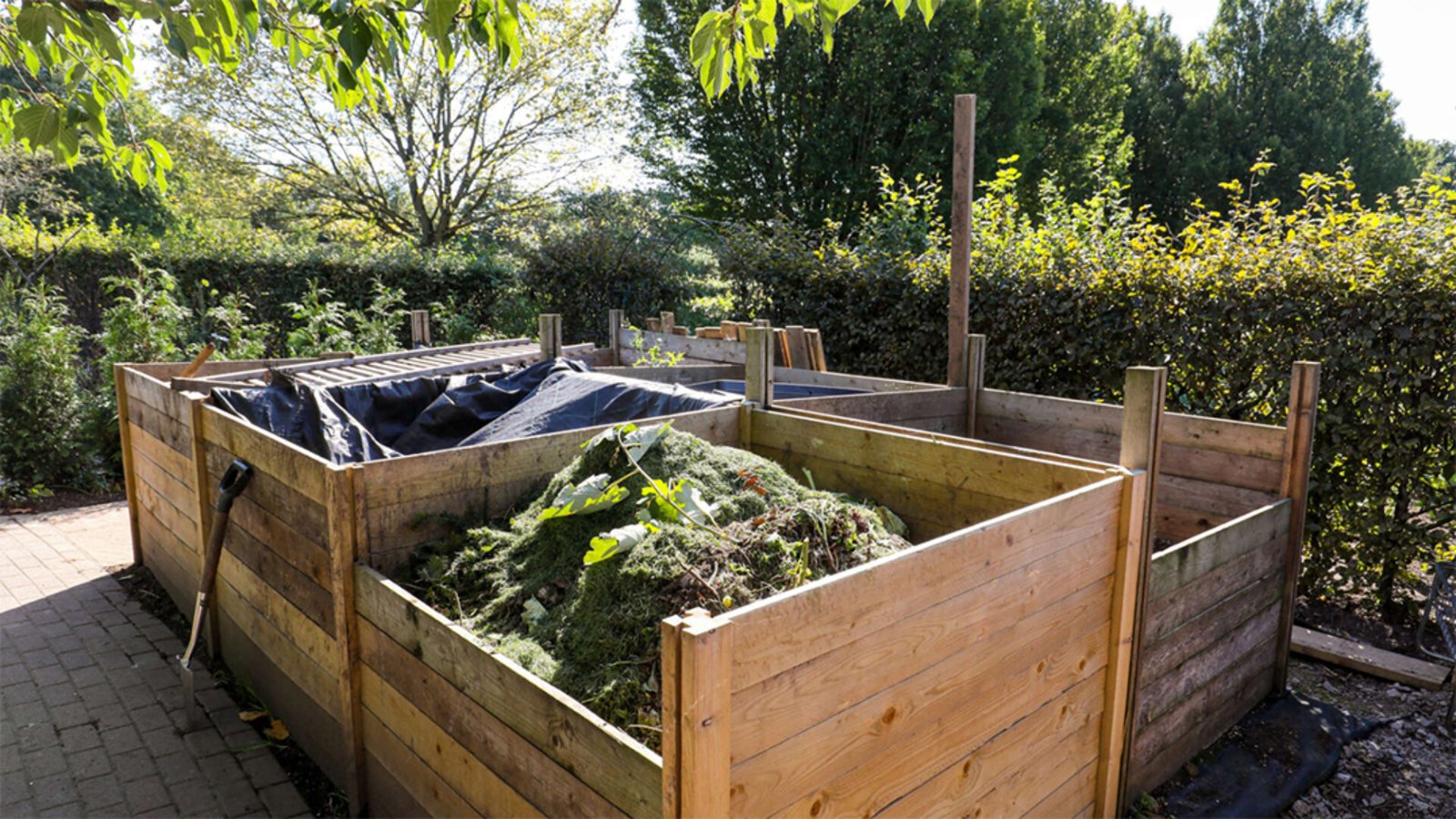
Composting is an easy and sustainable way to reduce household waste while creating nutrient-rich soil for your garden. Whether you’re an experienced gardener or just starting out, backyard composting allows you to turn organic waste into a powerful natural fertilizer. Instead of throwing food scraps and yard waste in the trash, you can turn them into compost that enriches your plants, improves soil structure, and reduces waste in landfills.
Setting up a composting system in your garden is easier than you might think. With the right setup and a basic understanding of how composting works, you can run a system that keeps your garden thriving year-round. The key to successful composting is knowing what materials to use, how to properly balance them, and how to care for your pile for optimal results.
Why composting is important
Composting is more than just a gardening chore—it’s a step toward sustainability. Each year, millions of tons of organic waste end up in landfills, where they produce methane, a harmful greenhouse gas. By composting at home, you can significantly reduce your carbon footprint while doing your garden some good.
Aside from reducing waste, composting improves soil health by adding organic material that improves soil structure and water retention. Healthy soil leads to healthier plants, which means you spend less on store-bought fertilizers and soil amendments. Compost also supports beneficial microorganisms that help break down nutrients so they are more available to plants.
Getting Started with Composting
Setting up a composting system in your garden starts with choosing the right location. A good composting site should:
Be easily accessible so you can add materials regularly
Be well-drained to prevent the compost from becoming soggy
Be partially shaded to maintain the right moisture level
Be protected from direct wind so it doesn’t dry out too quickly
Once you’ve found the perfect location, the next step is to decide on the type of composting system that will suit your needs.
Types of Composting Systems
There are several composting methods you can choose from, depending on the space, time and effort you have available:
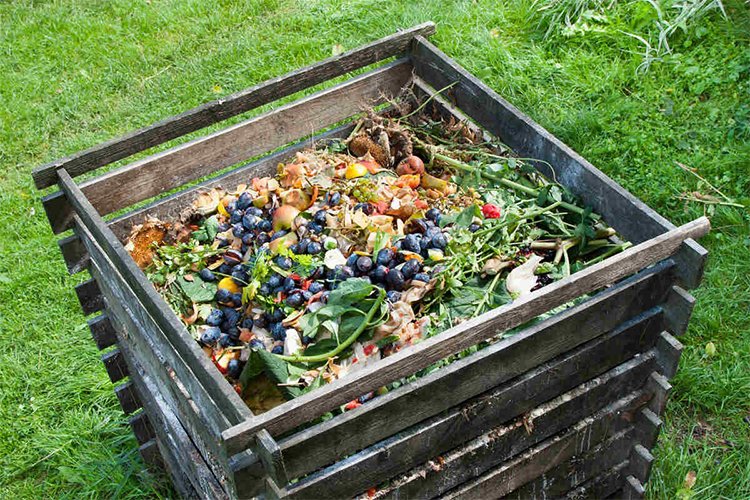
Compost pile – This is the simplest method, requiring little more than a designated area where you layer compostable materials. While it’s easy and inexpensive, it takes longer to decompose and can attract pests if not properly maintained.
Compost bin – An enclosed bin helps keep the compost clean and organized. It can be a store-bought model or a homemade bin made of wood or plastic. Bins retain heat and moisture, speeding up the composting process.
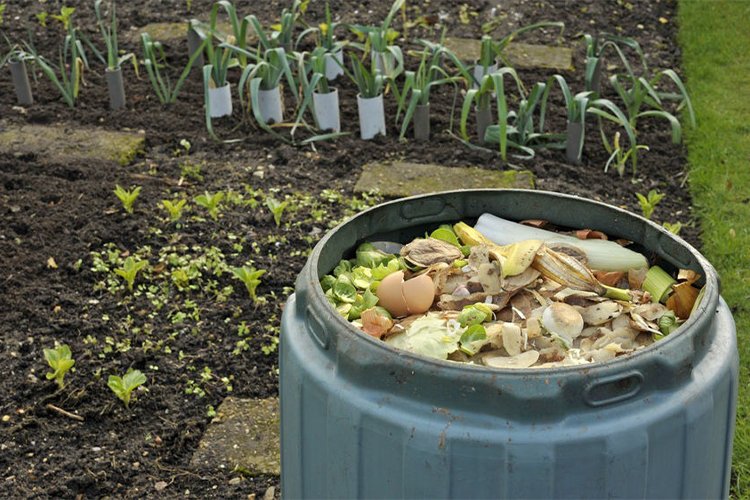
Compost Turners – These rotating bins facilitate aeration by allowing you to turn the compost periodically. Turners speed up decomposition and reduce odors, making them a great option for those who want a faster, more controlled process.
Choosing the right system depends on the space available and the amount of maintenance you’re comfortable with.
What to Compost and What Not to Compost
A balanced compost pile requires two main components: green (nitrogen-rich materials) and brown (carbon-rich materials). A good rule of thumb is to maintain a ratio of two to three parts brown to one part green for best results.
Green (nitrogen-rich material)
Fruit and vegetable scraps
Coffee grounds and tea leaves
Grass clippings
Eggshells
Fresh plant scraps
Brown (carbon-rich material)
Dried leaves
Shredded paper and cardboard
Straw or hay
Small branches and twigs
Sawdust from untreated wood
Materials to avoid
Meat, dairy and fatty foods (attract pests and cause odors)
Pet droppings (may contain harmful bacteria)

Diseased plants (can spread disease)
Weeds with seeds (can grow in compost)
Plastic, glass and metal (non-biodegradable)
By carefully choosing the materials for your compost, you can ensure a smooth and efficient decomposition process.
Maintaining your compost pile
Composting requires minimal effort, but does require some maintenance to ensure that materials are decomposed properly. Here are a few key steps to keep your compost healthy:
Turn the pile regularly – Aeration is critical to decomposition. Use a pitchfork or compost turner to mix the materials every few weeks. This will prevent unpleasant odors and promote faster decomposition.
Monitor moisture levels – Compost should be moist but not mushy. If it’s too dry, sprinkle some water on it; if it’s too wet, add more brown materials like dry leaves or shredded paper.
Chop up larger items – Chopping up food scraps and yard waste into smaller pieces will speed up decomposition. Large pieces will take longer to decompose.
Watch for odors – A balanced compost pile should smell earthy. If it starts to smell foul, adjust the ratio of green to brown by adding more dry materials.
Be patient – Depending on conditions, compost can take anywhere from a few months to a year to fully decompose. The more effort you put into maintaining it, the faster you’ll get usable compost.
Using Your Finished Compost
Once your compost turns into dark, crumbly, soil-like material with an earthy smell, it’s ready to use. You can apply compost in a few different ways:
Mix it into garden beds to enrich soil before planting.
Use it as mulch around trees, shrubs, and flowers to retain moisture.
Add it to potted plants as a natural fertilizer.
Mix it into lawn soil to promote grass growth and soil health.
Using compost in your garden improves soil fertility, promotes healthier plants, and reduces the need for synthetic fertilizers.
Conclusion
Setting up a compost system in your garden is an easy and rewarding way to reduce waste while improving soil health. With the right setup, the right balance of materials, and regular maintenance, you can create nutrient-rich compost that benefits both your garden and the environment. Whether you choose a simple compost pile or a structured bin system, the key is consistency and patience. Over time, you’ll see the incredible impact composting has on your plants and sustainability efforts.
By turning food scraps and yard waste into a valuable resource, you’ll contribute to a greener planet while maintaining a thriving garden. Composting is a small change with big benefits, and once you start, it will become a natural and fulfilling part of your everyday life. So what are you waiting for? Start your backyard composting system today and enjoy the many benefits it brings!
Leave a Comment