
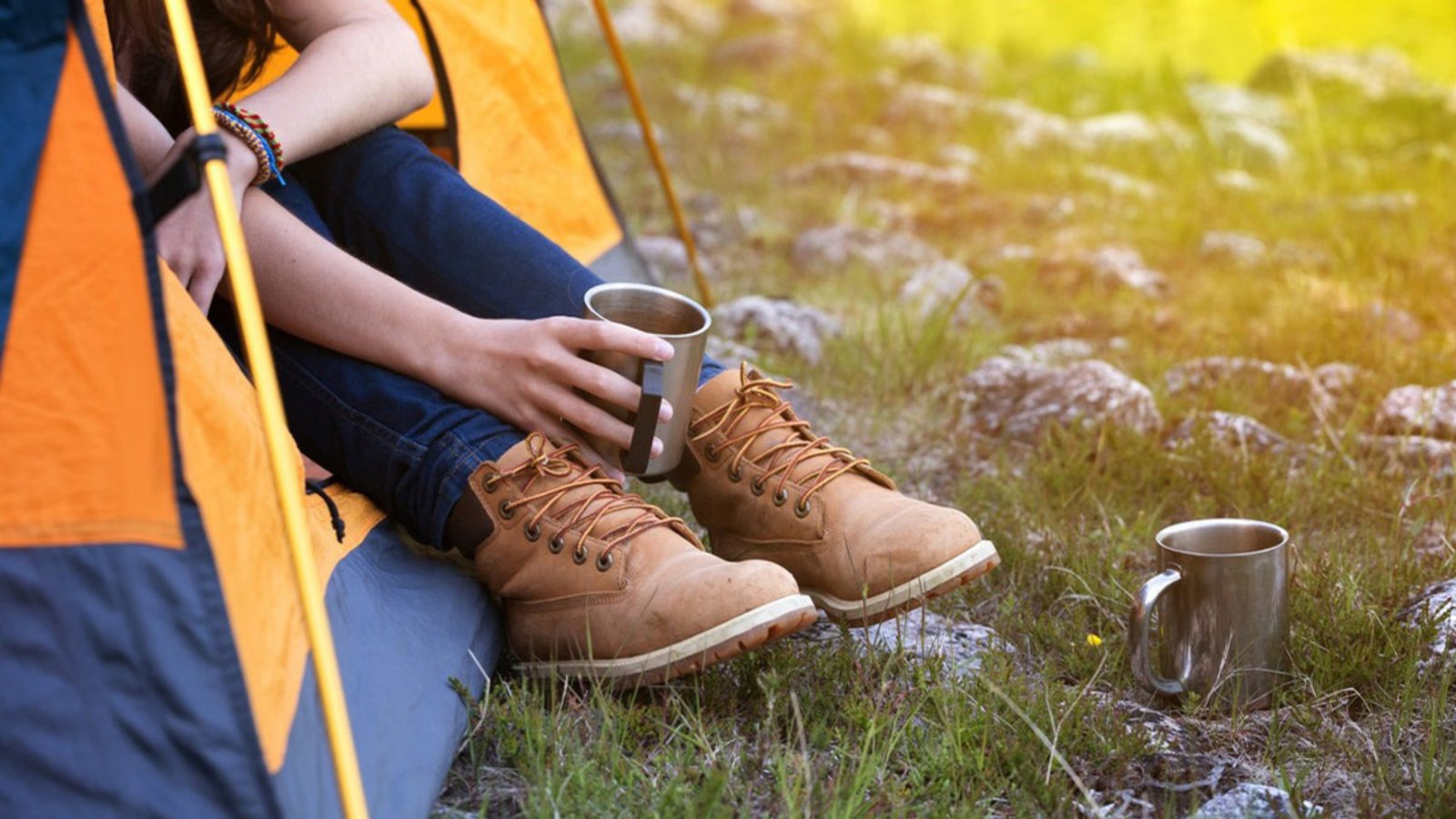
When preparing for a camping trip, choosing the right footwear is just as important as choosing the right tent or sleeping bag. The right shoes or boots can make the difference between a comfortable and enjoyable outdoor adventure and one marred by blisters, discomfort or injury. The terrain, weather and the activities you plan to do during your camping trip all play a crucial role in deciding which footwear is best for you. Whether you’re hiking through rough terrain, lounging around a campfire or taking a peaceful walk in nature, the right footwear is key to keeping your feet comfortable, protected and stylish.
Choosing the right footwear for camping is no easy task, but with the right knowledge and a little guidance, it becomes much easier. In this Ultimate Guide to Shoes for Camping Trips, we explore different types of shoes, when and where to wear them and the key features to consider when making your selection. Whether you’re an avid hiker, a weekend camper, or a casual nature lover, this guide will help you make an informed decision about the perfect footwear for your next adventure.
Types of Shoes for Camping Trips
The footwear you choose for a camping trip will largely depend on the type of trip, the terrain you’ll be traversing, and the weather conditions you expect. Here are some of the most common types of shoes for camping trips:
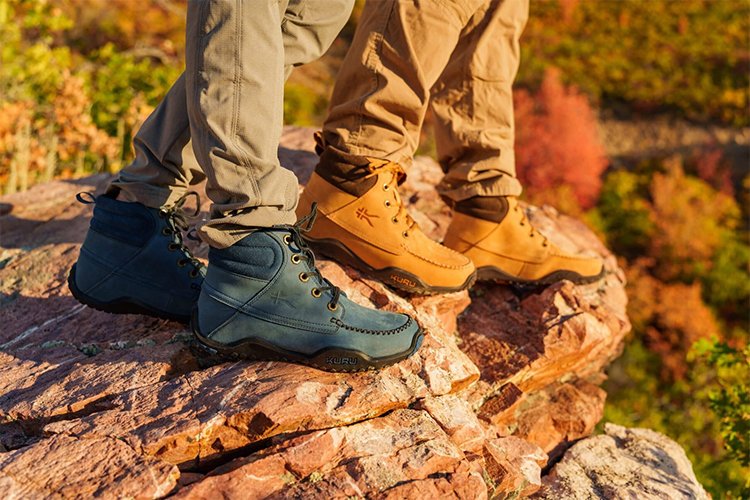
Hiking boots: Hiking boots are the most versatile footwear option for camping. They offer ankle support, durability, and traction, making them ideal for hiking on uneven or rocky terrain. A good pair of hiking boots will also protect your feet from sharp objects or rough surfaces. When purchasing hiking boots, look for waterproof or water-resistant models, as moisture can quickly affect your comfort and performance in wet conditions.
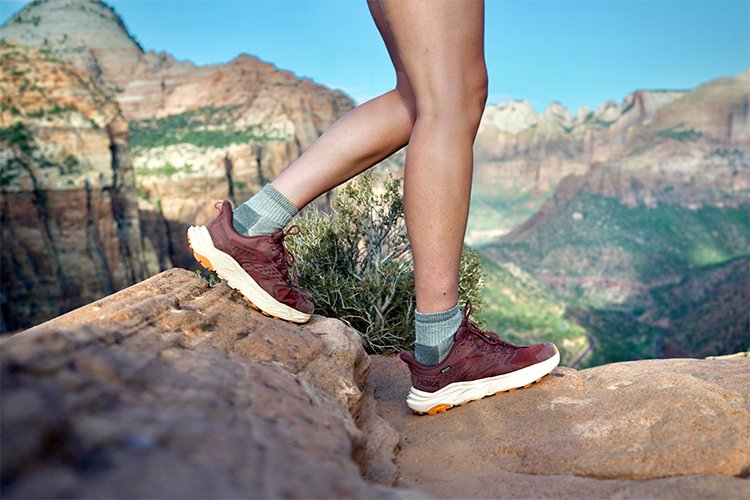
Trail running shoes: If you’re planning on easier hikes or runs on well-maintained trails, trail running shoes are a great alternative to hiking boots. These shoes are lightweight, flexible, and breathable, offering a more minimalist feel but still providing enough support and grip. While they don’t offer the same level of protection as hiking boots, they’re perfect for those who want a more nimble and faster experience.
Camping Shoes (Flip-Flops or Sandals): After a long day of hiking, there’s nothing better than a comfortable pair of camping shoes. Sandals or flip-flops are a great option for relaxing at the campsite, as they allow your feet to breathe and recover after being stuck in boots all day. Additionally, camping shoes are ideal for quick trips to the bathroom, washing dishes, or walking around the campsite. Look for lightweight, durable sandals with arch support and non-slip soles for added comfort.
Water Shoes: If you’re camping near water—be it a river, lake, or beach—water shoes are essential to protect your feet from rocks, mud, and sharp objects while wading or swimming. Water shoes are made from quick-drying materials and are designed to drain water quickly, keeping your feet comfortable even when wet. They are lightweight and breathable, making them an excellent choice for water activities or walking along the shore.
Cold Weather Boots: If you’re camping in colder climates or during the winter months, insulated, waterproof boots are a must. These boots are designed to keep your feet warm and dry. They feature thick insulation to prevent frostbite and sturdy construction to protect against snow, mud, and ice. Look for boots with good grip and a high shaft for added stability in slippery environments.
Features to Consider When Choosing Shoes for Camping
There are several important factors to consider when choosing shoes for your camping trip. Not all outdoor shoes or boots are the same, and what works for one person may not be suitable for another. Consider these features to ensure you make the best choice for your feet:
Comfort: Comfort is the key to success in camping shoes. Whether you’re hiking for miles or lounging around a campfire, you need shoes that won’t make your feet hurt. Look for shoes with a cushioned footbed, adequate arch support, andenough room in the toe box to avoid discomfort on long hikes. Be sure to try on shoes before your trip and, if possible, test them on a short walk to assess the fit.
Waterproof: Moisture can make even the best camping trip uncomfortable. Make sure your footwear is designed for wet conditions. Waterproof hiking boots, water shoes, or sandals can protect your feet from getting wet during rain showers or when walking in streams. For those who plan to hike in muddy or wet conditions, waterproof shoes are essential to prevent discomfort and blisters.
Traction and Grip: A good pair of hiking boots or shoes should have reliable grip to ensure stability on varying surfaces. This is especially important when traversing rocky terrain, slippery mud, or forest trails. Look for soles with deep treads or multi-directional lugs that will give you traction during your outdoor activities. The more grip your footwear offers, the less likely you are to slip or injure yourself.
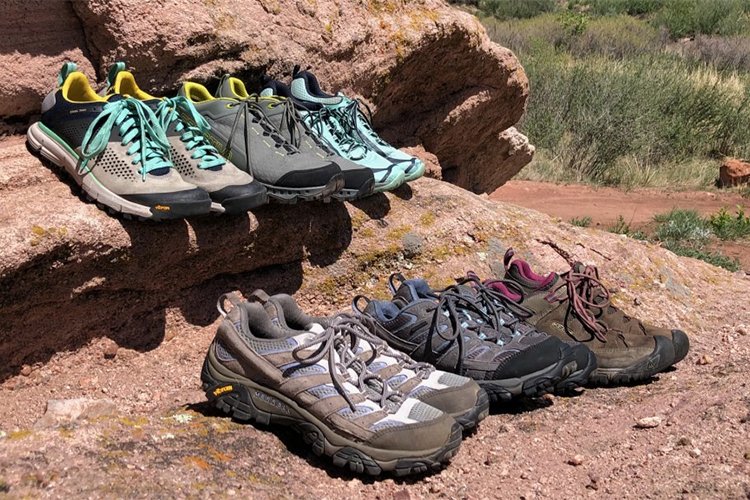
Breathability: Whether you’re hiking in summer or spring, breathability is important to keep your feet cool and dry. Opt for shoes made of breathable materials like mesh or synthetic fabrics that allow air to pass through, reduce sweat, and prevent blisters. Avoid shoes that are too heavy or made of materials that trap moisture, as this can cause discomfort or chafing over time.
Durability: Camping trips can put a lot of wear and tear on your footwear, especially when hiking through rough terrain. Choose shoes or boots made from high-quality materials like leather, synthetic fabrics, and durable rubber soles that can withstand the wear and tear of outdoor adventures. Make sure the footwear is durable and can withstand the conditions you’ll face during your trip.
Weight: If you’re carrying a heavy backpack or doing a lot of walking, lightweight footwear is important. Lighter shoes or boots reduce fatigue and allow you to move more efficiently. While heavier boots offer more ankle support, lighter options like trail runners or low-cut hiking boots are often preferable for easier hikes or when you want to travel quickly and lightly.
Conclusion: Find the Perfect Footwear for Your Camping Trip
Ultimately, the right footwear for your camping trip depends on your specific needs and the conditions you’ll face. For hiking, a sturdy pair of hiking boots with good traction, waterproofing, and comfort is a must. When you head to the water, a pair of durable water shoes will ensure you can enjoy your surroundings without risking injury. Camping shoes or sandals are the perfect choice for relaxing after a hike, while insulated boots are essential for cold weather camping.
Remember, the most important factors are comfort, protection, and durability. Make sure your shoes fit properly, provide the support you need, and meet the demands of your camping environment. By choosing the right footwear for your trip, you can enhance your outdoor experience and ensure your feet stay comfortable, dry, and protected throughout your adventure.
So before your next camping trip, take the time to carefully select the right footwear that will support you every step of the way—your feet will thank you, and you’ll be ready to conquer the great outdoors with confidence.
Leave a Comment