

Walking shoes are the lifestyle product category where I see the worst buying decisions most often — and I understand why.
The marketing is confusing. Every brand claims maximum comfort, superior cushioning, and biomechanical support. The price range is wild — you can spend $45 or $250 on a pair of walking shoes and both will be described using the same adjectives in their respective product descriptions. Influencer content for this category is almost entirely paid.
And the stakes are real. Foot pain from wrong footwear is the kind of problem that affects every single hour of your waking day. It shows up as lower back pain, knee discomfort, hip tightness, plantar fasciitis — conditions that are miserable and take weeks to resolve even after you fix the footwear.
This guide is my attempt to cut through the noise with specific, honest recommendations for different walking contexts.
What Makes a Walking Shoe Actually Good
Cushioning vs. stability — understanding the tradeoff. More cushioning is not automatically better. Very soft, highly cushioned shoes can destabilize your gait if your foot doesn’t work well within them, which creates fatigue and eventually pain over long distances. The right cushioning level depends on your gait, your body weight, and how far you walk daily.
Drop height matters more than most people know. Drop is the height difference between your heel and forefoot inside the shoe. High-drop shoes (10mm+) position your heel significantly above your toes — the traditional athletic shoe design. Low-drop or zero-drop shoes encourage a more natural foot position. Neither is universally right. Switching from high-drop to zero-drop too quickly causes significant calf and achilles soreness.
Fit in the toe box. Most walking shoes are too narrow in the toe box for a surprisingly large percentage of the population. Your toes should splay naturally — not be compressed together. A too-narrow shoe causes blisters on the little toe, black toenails on long walks, and bunion pressure over time. Wiggle room at the toes is not a sign of too-large a shoe.
Breathability for daily wear. For walking shoes that go on and off throughout a workday, mesh upper construction dramatically reduces foot moisture buildup compared to solid synthetic or leather uppers. Sweaty feet is an uncomfortable and preventable problem.

The 990 series has been New Balance’s flagship everyday shoe for over four decades, and the v6 iteration continues the formula that’s made it the quiet favorite of people who actually walk a lot rather than people who care what their shoes look like in photos.
The ENCAP midsole technology — a cushioned core surrounded by a polyurethane rim — provides a specific combination of cushioning and stability that very few competitors match. The result is a shoe that absorbs impact well on pavement without feeling unstable underfoot on uneven surfaces.
Made in the USA versions come with a premium price ($185–$200) but more affordable import versions ($120–$140) use the same lasts and perform nearly identically for walking purposes. The silhouette is unmistakably chunky and deliberately not trendy, which is why people who wear them for function love them and people who buy shoes for appearance avoid them.
Best for: Daily walkers putting in 5,000–10,000+ steps, people on their feet for work, anyone who’s had recurring foot fatigue with other shoes.
Not ideal for: Anyone who wants a slim low-profile shoe for professional or formal contexts.

Hoka entered the mainstream consciousness a few years ago and has stayed there for a reason — the maximalist cushioning approach genuinely helps people who cover significant daily mileage on hard surfaces.
The Clifton 9 is Hoka’s most accessible walking/running shoe, with a 5mm drop and full-length foam midsole that absorbs pavement impact effectively. The upper is breathable mesh, the toe box is reasonably spacious for a mainstream shoe (not Altras, but reasonable), and the overall weight despite the large midsole is lighter than you’d expect.
At $145–$160, they’re not cheap. They also tend to compress faster than New Balance’s ENCAP setup — most heavy walkers notice a meaningful performance reduction around 400–500 miles and need replacement sooner than firmer shoes.
Best for: People who walk 8,000–15,000 steps daily on pavement, anyone with joint sensitivity who benefits from extra cushioning, commuters who walk several miles of city blocks.
Not ideal for: Light walkers who don’t need maximum cushioning, anyone with ankle stability issues (the wide midsole creates some instability for certain gait types).
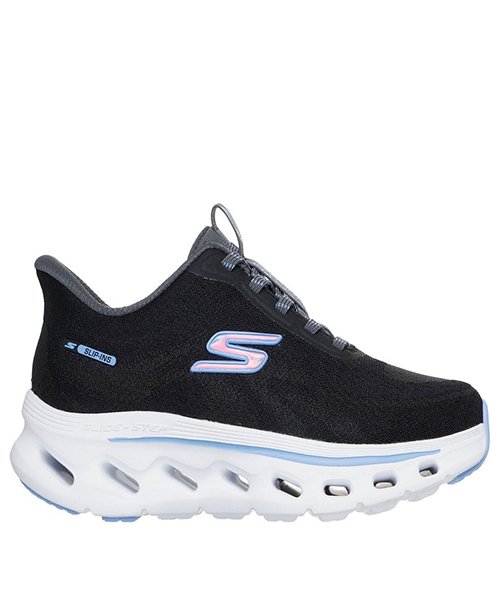
I debated including this one because the Skechers brand reputation in serious running circles is mixed. But the GO Walk line for daily walking — not running, not high-intensity activity — is genuinely among the best-performing shoes in the $65–$80 price range.
The ULTRA GO cushioning and 5GEN midsole provide comfort that punches above the price point. The Arch Fit insoles (available as an upgrade or in the Arch Fit GO Walk sub-line) are legitimately supportive — designed with podiatrist input. Machine washable. Slip-on design that most people find convenient for daily use.
The honest issue: they don’t last as long as premium options. Heavy walkers will compress the midsole noticeably within 6–8 months of daily use. At $65–$80 though, you’re replacing them for roughly the same annual cost as a $180 shoe you replace every two years.
Best for: Light-to-moderate daily walking, anyone budget-conscious, people who want a slip-on option, older adults who appreciate the ease of entry.
Not ideal for: Anyone walking more than 8,000 steps daily on hard surfaces — the midsole compression timeline becomes a problem.

The On Running brand has occupied an interesting space since it went mainstream — it’s genuinely a technical walking and running shoe that also happens to look good enough that people wear it as casual footwear.
The CloudTec sole — those distinctive hollow pods on the outsole — provides a firm-then-soft sensation underfoot that people either love immediately or find strange for the first few wears. The mesh upper is one of the more breathable available at this price point, and the Engineered Mesh version has enough structure to look reasonable with casual work attire.
At $140–$160, it’s priced as a premium lifestyle shoe. The actual walking performance is very good but not meaningfully better than the New Balance 990 for pure daily walking. What you’re paying the premium for is the aesthetic versatility — it works in more contexts than most technical walking shoes.
Best for: People who need a shoe that transitions from morning walk to casual work environment to evening out, style-conscious buyers who want technical performance without a chunky athletic silhouette.
Not ideal for: Anyone who just wants the best walking performance per dollar — the New Balance offers more functional value at a similar or lower price.

Most walking shoes are designed for people with neutral biomechanics. Most people don’t have neutral biomechanics. Vionic specifically targets people with overpronation, flat feet, plantar fasciitis, and other common structural foot issues.
The built-in orthotic footbed — designed with podiatrist input — provides medial arch support that most over-the-counter insoles can’t match, primarily because it’s designed into the shoe structure rather than added as an afterthought. The leather upper versions look professional enough for office environments. The midsole provides decent cushioning for moderate daily walking.
At $120–$140, they’re reasonably priced for the therapeutic function they serve. Not a fashion statement. Not a technical performance statement. A practical choice for people whose feet need specific support that generic walking shoes don’t provide.
Best for: Anyone with diagnosed plantar fasciitis, flat feet, overpronation, or anyone whose feet hurt at the end of every workday regardless of what shoes they’re wearing.
Not ideal for: People with neutral biomechanics who don’t need structural support — you’re paying for engineering you won’t benefit from.
Budget vs. Premium — The Honest Walking Shoe Math
Walking shoes are the one lifestyle product category where I genuinely recommend not buying cheap. Here’s the math:
A $65 shoe that causes foot fatigue and contributes to knee or back issues costs you comfort every single day and potentially physio appointments at $80–$120 each. A $140 shoe that supports your gait correctly and lasts two years of daily wear works out to about $0.19 per day.
That said, “premium” doesn’t mean most expensive. The New Balance 990 at $130 import version outperforms plenty of $200+ lifestyle sneakers for actual walking function. Price and performance don’t correlate cleanly above $120 in this category.
The budget floor I’d set: $80 for daily walking shoes. Below that, you’re compromising on cushioning materials, support structure, or durability in ways that affect your feet within months.
What Not to Buy
Fashion sneakers sold as walking shoes. Vans, Converse, most Adidas Originals, many Nike lifestyle shoes — these are not walking shoes. They look good. They have flat or minimal midsoles designed for aesthetics. Walking 8,000 steps in Converse is a choice you’ll regret by step 6,000.
Walking shoes that feel perfect in the store but haven’t been worn on a walk. Stores are carpeted. Walking happens on pavement. Always walk the longest distance you can in a shoe before buying — around the store, across parking lots, anything with hard surface.
Shoes that require a “break-in period.” Quality walking shoes should be comfortable from the first wear with the right socks. Some adaptation happens over time, but if a shoe is hurting you on day one, it’s not fitting your foot correctly.
Final Recommendation
For most people looking for a reliable daily walking shoe in 2026, the New Balance 990v6 import version at $130 is the honest starting point. It covers the widest range of foot types, walking volumes, and daily contexts without being overly specialized.
If budget is the primary constraint: Skechers GO Walk 7 with Arch Fit at $70–$80. Perform well, last reasonably, and won’t break the bank when you need to replace them.
If you have specific foot issues: Vionic Walker Classic before anything else on this list.
Your feet carry every other part of your daily routine. They earn the investment.