

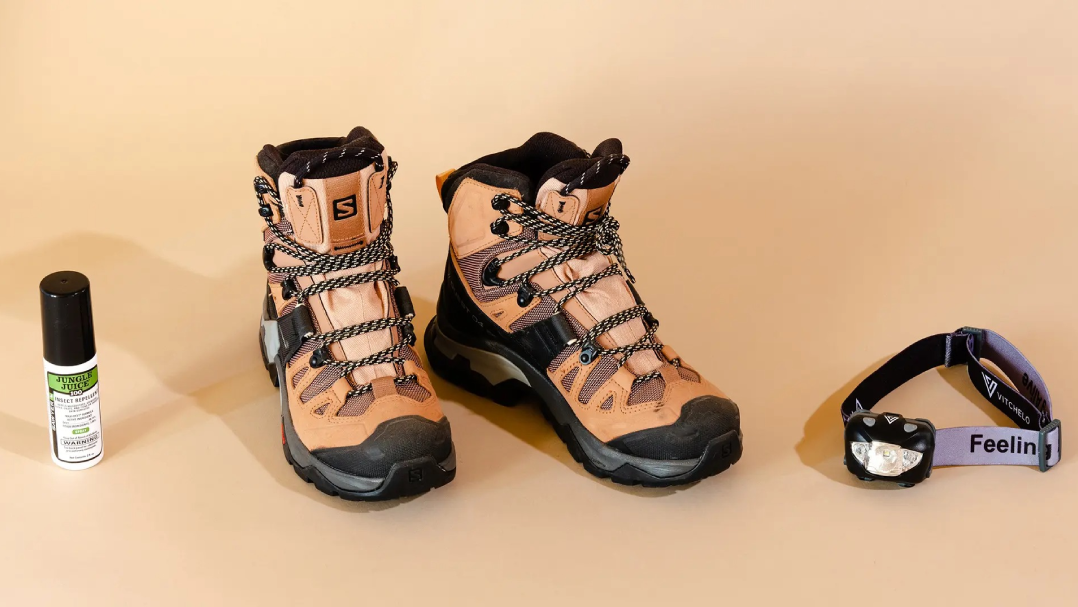
I once did a nine-mile hike in the wrong shoes. Not sandals or dress shoes — actual trail shoes, just the wrong ones for the terrain. By mile four I had two hot spots forming on my heels. By mile seven those were full blisters. The last two miles back to the car were genuinely unpleasant in a way that had nothing to do with fitness or difficulty. Foot pain is the thing that ends hiking trips.
Boots, Mid Cuts, or Trail Shoes — What's Right for You?
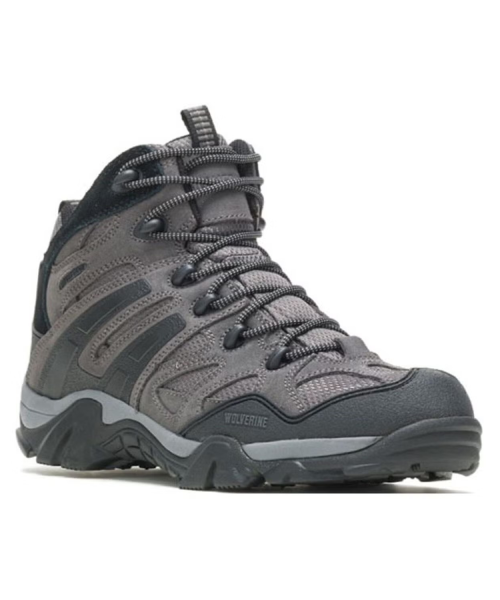
Come up above the ankle, offer maximum ankle support and protection. Right for rugged terrain, heavy pack loads, off-trail travel, and multi-day trips. The trade-off is weight (2–3 lbs per pair) and significant break-in time. Hiking boots that haven’t been broken in are instruments of torture on long days.
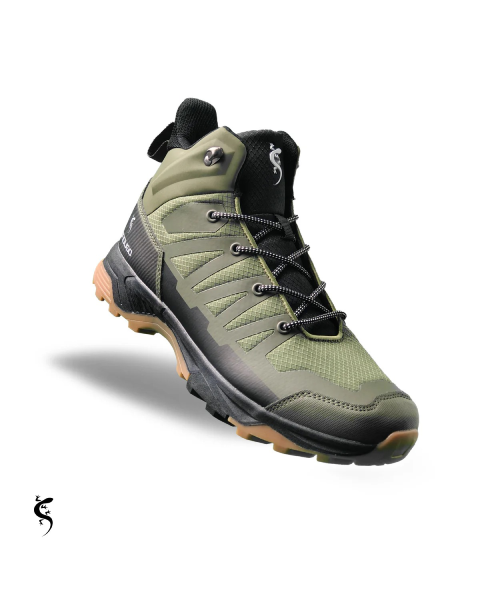
Sit at ankle height, offer moderate support, split the difference nicely for most day hiking. Lighter than full boots, more supportive than low cuts. For well-maintained trails with moderate terrain and a daypack, often the sweet spot. Honest beginner recommendation.
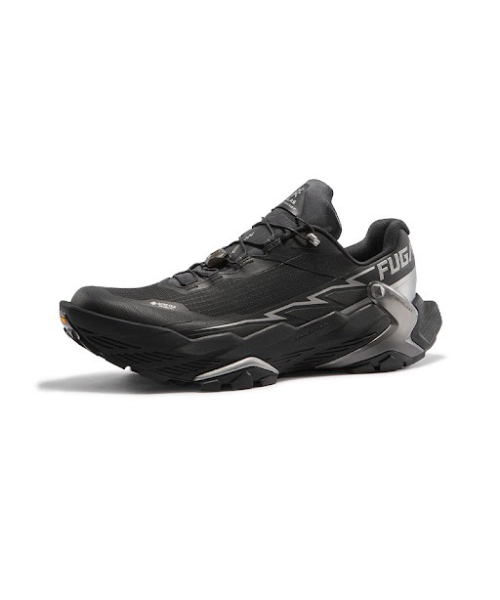
Extremely lightweight, no break-in required, breathe well in warm weather. Serious ultralight backpackers have moved heavily toward these. For fit, experienced hikers on moderate terrain this works. For heavy packs, loose rock, creek crossings, or anyone with weaker ankles — risky.
Waterproof vs. Non-Waterproof
Gore-Tex boots keep water out but also trap moisture in. Your feet sweat. In a non-waterproof shoe, that moisture escapes. In a waterproof boot, it builds up inside. On warm days or long distances, waterproof boots can leave your feet wetter from sweat than non-waterproof in the same conditions.
Where waterproof wins: cold/wet conditions, stream crossings, dew-soaked vegetation, rain-heavy environments. Where breathable non-waterproof often wins: warm weather, dry trails, high-mileage days. Decision: Pacific Northwest or consistent moisture — waterproof. Desert Southwest or consistently dry trails — breathable non-waterproof.
Fit — The Factor That Overrides Everything
- Shop in the afternoon — feet swell throughout the day
- Wear your actual hiking socks when trying boots
- Check toe box — thumbnail width between longest toe and boot end
- Test heel lock — no heel lift when walking
- Learn proper lacing techniques — most “boot problems” are actually lacing problems
Best Hiking Footwear 2026
Shoe/Boot | Type | Price | Best For |
Merrell Moab 3 | Hiking boot | $120–$140 | Beginners, all-around use |
Salomon X Ultra 4 | Trail shoe | $150–$180 | Technical day hiking |
Altra Lone Peak | Trail runner | $140–$160 | Long-distance backpacking |
Keen Targhee III | Women’s boot | $155–$175 | Wide toe box, day hiking |
Sock Pairing — Don't Forget This
A quality boot on a bad sock is a blister waiting to happen. Cotton socks absorb moisture and hold it against your skin. Wet skin blisters dramatically faster than dry skin. Merino wool is the gold standard — Darn Tough and Smartwool at $20–$28 per pair come with lifetime replacement warranties. Synthetic hiking socks from Balega or Feetures dry faster for hot weather.