
There’s a specific category of product that I find genuinely worth talking about — the kind that costs money upfront and then actively reduces ongoing spending over time. Not products that promise to improve your life in vague, unmeasurable ways. Not products that have a theoretical connection to saving money that requires a lot of behavior change to materialize. Products with a clear, short payback period tied to an existing spending habit.
This guide is specifically about that category. Five products, each with an honest explanation of when it saves money, when it doesn’t, and what the realistic numbers look like.
No inflated savings claims. No “this coffee maker will save you $2,000 a year” math that only works if you were previously buying four coffees a day. Just the real picture.
Why Saving Money Feels Hard
Spending money on something to save money feels counterintuitive. It should. The instinct to be suspicious of it is healthy. The distinction that matters is between products that create a new, cheaper habit and products that just add to the pile of things you own.
A coffee maker creates a new habit — brewing at home — that replaces a more expensive existing habit. The replacement is real, the savings are real, and the payback period is short.
A specialized kitchen gadget for a specific cooking technique you don’t currently use doesn’t create a new habit. It just represents a hope that you’ll start a new habit. Hope is not a purchasing strategy.
The products in this guide all work by supporting habits you likely already have or habits with a clear, low-effort path to establishing.
Food Habit Change — Prep as the Foundation of Budget Cooking
The relationship between food preparation and food spending is one of the clearer ones in personal finance. The less prep you’ve done, the more likely you are to buy prepared food. The more meal prep you’ve done, the more you can cook from what’s already in your kitchen.
The barrier to meal prep isn’t usually motivation — it’s the time cost at the point of execution. Meal prep done on Sunday costs Sunday time. Meal prep not done on Sunday gets paid for every weeknight when the question “what’s for dinner” meets an empty fridge and a hungry person with limited energy.
Meal prep glass containers are the infrastructure for the Sunday habit. The specific reason glass is worth recommending over plastic: food stored in glass looks more appetizing. This is not trivial. Leftover chicken and vegetables in a clear glass container with visible contents gets eaten. The same food in an opaque plastic container with a vague memory of what’s inside gets forgotten and eventually thrown away. Visibility is a significant variable in whether meal-prepped food actually gets eaten.
Bayco Glass Meal Prep Containers (7-piece set, $28–$35) or Prep Naturals Glass Containers (8-piece, $30–$38) are the recommended range. Both use borosilicate glass (more resistant to thermal shock than standard glass), airtight locking lids, and come in standardized sizes that stack efficiently. The investment pays back in reduced food waste and reduced weeknight convenience food purchases.
Shopping Habit Change — Buying With Information
A budget planner for purchase decisions. Physical budget planners serve a different function than budget apps for most people. Apps track spending after it happens. Physical planners, used at the beginning of the month to allocate spending across categories, create a different relationship — planning before rather than recording after.
The Clever Fox Budget Planner ($22–$28) organizes monthly budgeting, irregular expense anticipation, and savings goal tracking in a single notebook. The debt payoff tracker and bill payment checklist sections address the two most common budget failure points: forgetting irregular expenses and missing payment deadlines that generate fees.
The realistic question is whether you’ll use it. A budget planner used consistently for three months produces budget results. A budget planner that sits on a shelf doesn’t. If you’ve tried budget apps and haven’t used them, try the physical version. If you’ve tried physical planners and found them burdensome, try a simpler app. The format matters less than the consistent use.
Reusable shopping bags and produce bags. In areas with plastic bag fees ($0.10–$0.25 per bag), the payback period on reusable bags is genuinely short — 40–80 shopping trips. In areas without fees, the saving is smaller but the environmental case is clear. Not a budget transformer, but a frictionless habit that costs almost nothing to establish.
Home Habit Change — Organization as Financial Infrastructure
Storage boxes as budget tools. The connection between home organization and spending is indirect but real. Organized homes have fewer duplicate purchases, less food waste (visible pantry = used pantry), and lower “I need to buy a replacement for the thing I can’t find” spending.
The specific recommendation: IKEA SAMLA boxes ($3–$8 depending on size) for the pantry and cleaning supply storage, and Sterilite 6-quart clear storage containers ($4–$6 each) for bathroom and bedroom organization. Uniform, stackable, inexpensive, clear enough to see contents without opening.
The one-time organization session that installs these takes 2–3 hours per space. The ongoing benefit is permanent as long as things go back to their designated spots. The budget benefit shows up as a gradual reduction in “I bought another one because I couldn’t find the first” spending.
The coffee maker investment. I’ve covered the basic math elsewhere in this series — the short version is that a $30–$45 home coffee setup replaces roughly $80–$120 per month in daily coffee purchases for one person with a daily coffee shop habit. The payback period is 2–4 weeks at that frequency.
The specific recommendation here: the Moka pot (Bialetti 3-cup or 6-cup, $30–$35) for anyone who wants espresso-style coffee and doesn’t mind a small amount of daily process. The Hamilton Beach Programmable Drip Coffee Maker ($35–$45) for anyone who wants to set it and walk away — particularly useful because programmable drip makers brew before you wake up, making home coffee the path of least resistance.
The habit engineering matters more than the machine. A coffee maker that requires fussing at 7 AM will be abandoned. A machine that’s already brewed by the time you get to the kitchen will not be.
Subscription Cleanup — The Category Nobody Audits Enough
By category, subscriptions that most commonly persist past their usefulness:
Streaming services: The average US household subscribes to 4.2 streaming services. Most people actively use 1–2. The ones in the 3–4 range typically exist because cancelling requires a specific decision and doesn’t happen automatically. Set a calendar reminder for the end of every streaming trial and every streaming service’s anniversary date. At each reminder, re-evaluate: have I used this in the past 30 days enough to justify the cost?
Gym memberships: One of the longest-running jokes in personal finance. A $30–$50/month membership used twice per month is a $15–$25 per workout cost. Nobody would agree to that pricing structure up front. The membership persists because inertia is strong and the cancellation process is deliberately friction-heavy. If your gym attendance is genuinely low, cancel and use a pay-per-session arrangement or free outdoor exercise until the habit is established enough to justify the fixed cost.
App subscriptions from productivity tools: Notion, Evernote, various PDF tools, photo editors, VPN services started for a specific purpose — these tend to compound quietly. Many have free tiers that cover the actual usage of most users who converted to paid plans. The review question: am I using features that require the paid tier? If no, downgrade.
Things Worth Spending On
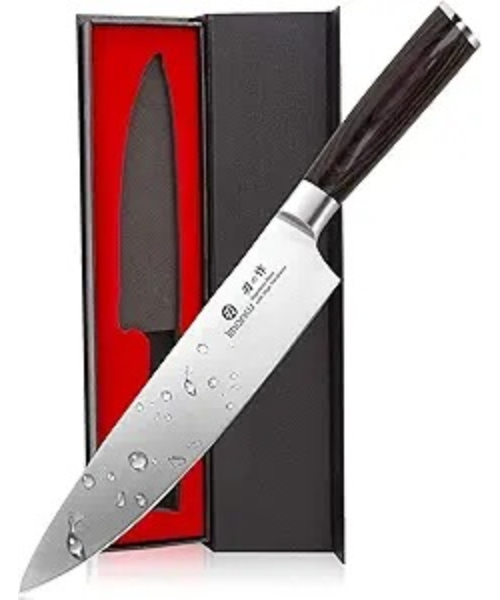
The most consistently useful kitchen purchase for cooking at home more often. Food prep is simply more pleasant and faster with a sharp, properly weighted chef’s knife. Victorinox Fibrox Pro 8-inch ($40–$50) is the recommendation at the accessible price point. It holds an edge well, feels balanced in the hand, and will outlast multiple cheaper alternatives.
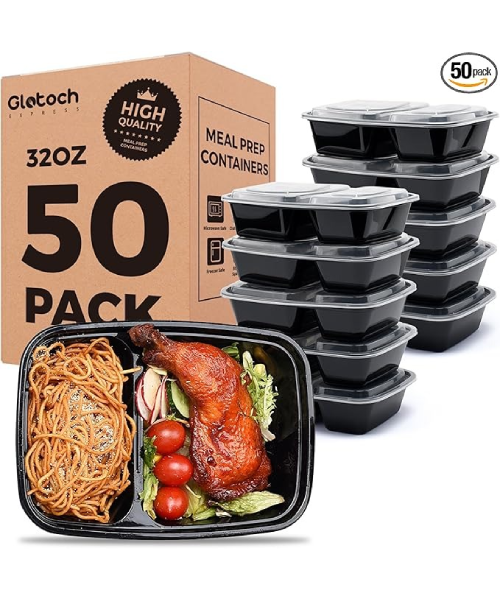
Already covered, but worth repeating in the “worth spending on” section: the glass version is worth $8–$10 more than the plastic equivalent because it actually gets used more consistently.
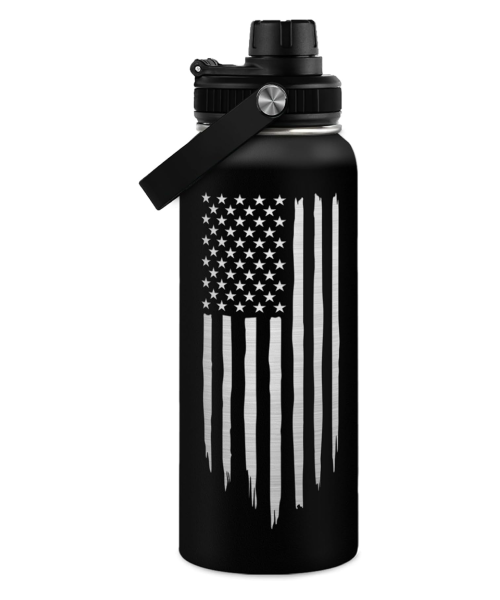
Worth it specifically if you have an existing bottled drink habit. The Owala FreeSip or Hydro Flask earns its $30–$40 price tag through use, not through existence.
Products That Help Save Money
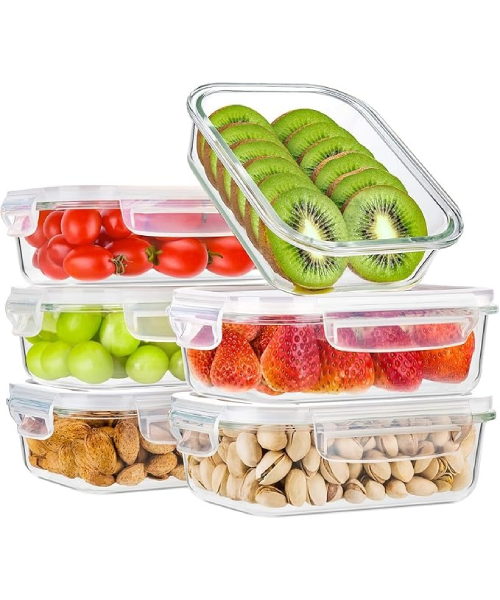
The weekly batch cooking infrastructure. Glass means contents are visible, food is appetizing, and the habit of actually eating what you prep is supported.
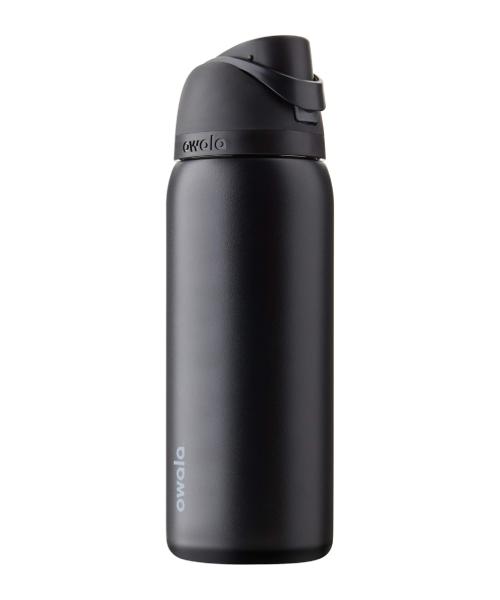
Straightforward payback if you have a bottled water or convenience drink habit. Neutral if you don’t. No inflated claims.
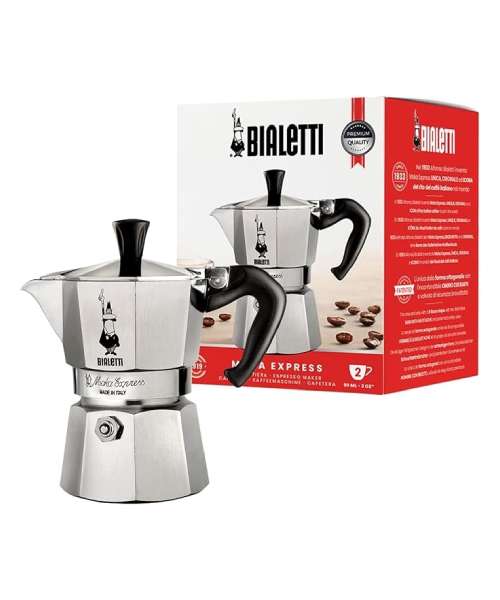
Real savings for people who currently buy coffee out daily. The programmable feature specifically supports the habit by removing morning effort from the equation.
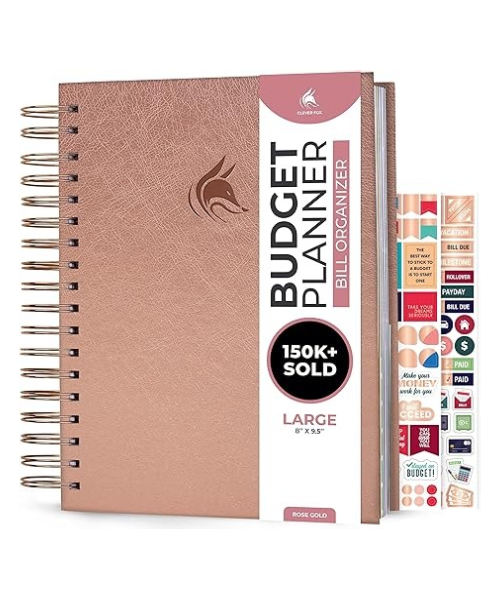
Provides structure for monthly spending and irregular expense anticipation. More useful than apps for people who don’t habitually check apps. Less useful if you already have a digital system that works.
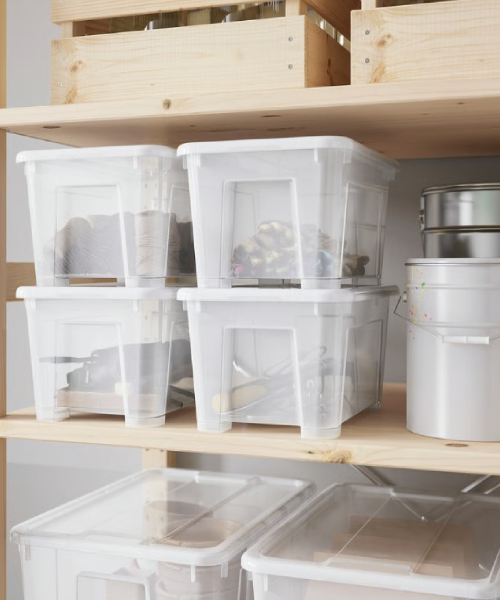
Organizational infrastructure that reduces duplicate purchases and food waste. The least glamorous but most consistently underrated product on this list.
Final Thoughts
The common thread in every product on this list: they create or support a specific habit that reduces a specific type of spending. They’re not magic. They don’t save you money just by being owned.
A coffee maker saves money if you use it. Meal prep containers save money if you fill them. A budget planner saves money if you open it. Storage boxes save money if you actually put things in them and can find them later.
The product enables the habit. The habit does the saving. This distinction matters because it changes what “a good purchase” means. A good budget purchase isn’t the cheapest option or the most efficient one. It’s the one you’ll actually use consistently enough for the habit to form.
Buy the version of each thing that’s easy and pleasant enough to use every day. That’s the product that earns its price.