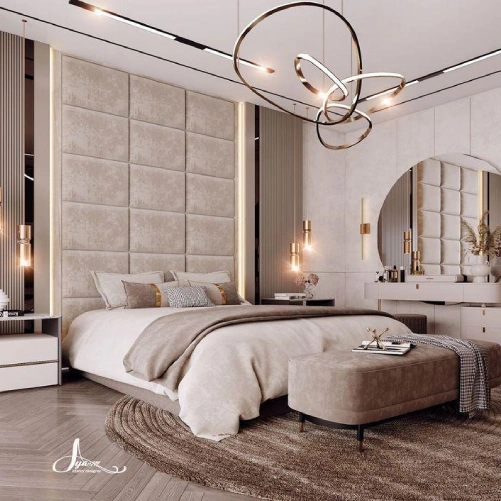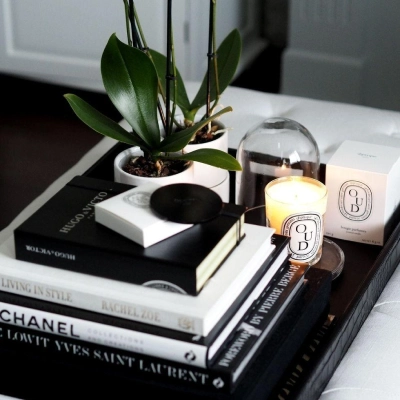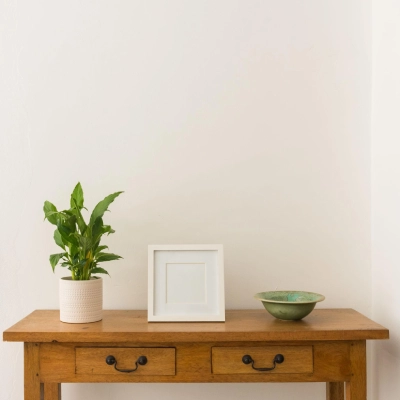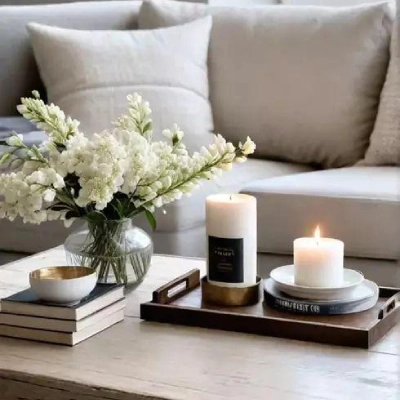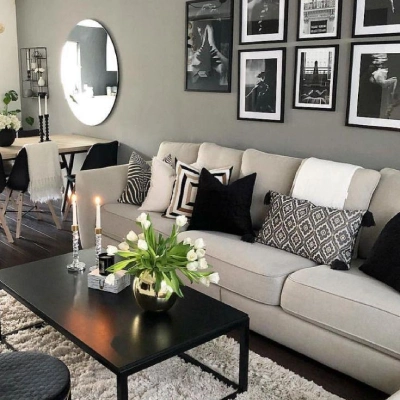

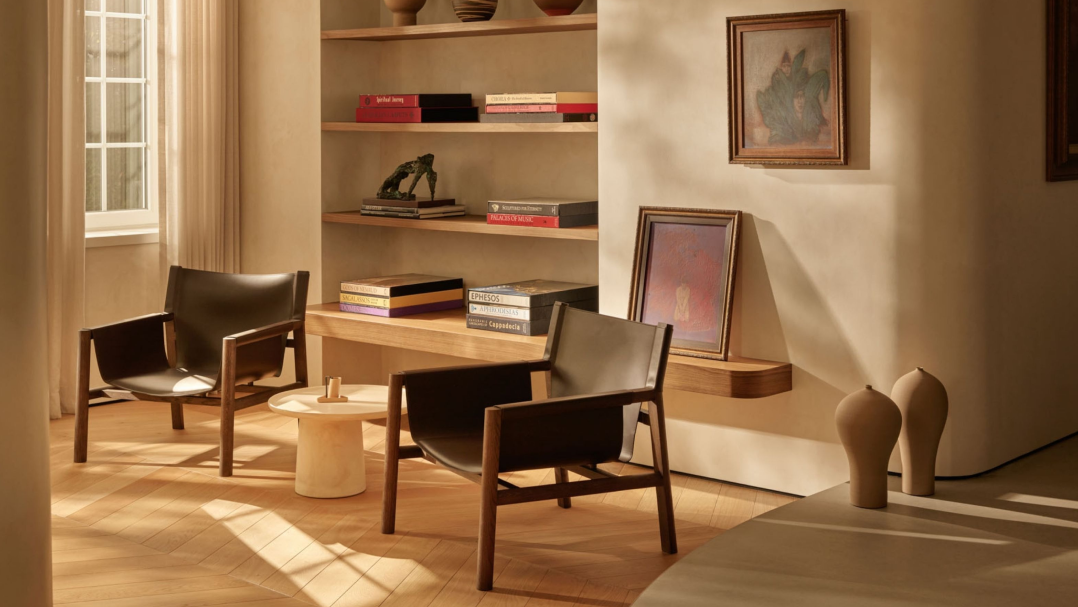
Here’s something nobody in home decor content says often enough: cheap decor ka problem usually price nahi hota. It’s scale. It’s finish. It’s placement. A $15 pillow cover in the wrong color on a sofa it doesn’t belong on looks exactly as wrong as a $60 one would in the same situation. And a $15 pillow cover in the right earthy tone, the right texture, sitting next to one other cover it relates to — that looks like someone made a deliberate choice.
I’ve spent a lot of time in other people’s homes noticing the difference between rooms that feel good and rooms that feel like they never quite came together despite obvious effort. The gap is almost never about how much was spent. It’s about whether the things in the room feel chosen or just present. A room full of thoughtful $15 decisions can feel more considered than a room full of careless $80 ones.
This guide is about six specific ideas that change how a room reads without requiring you to spend much. Not “budget-friendly dupes for expensive things.” Just the actual choices that do the most work per dollar in a real home.
What Makes Decor Look Expensive
Before anything else, it’s worth being honest about what “expensive-looking” actually means, because the phrase gets thrown around in budget decor content in ways that aren’t always useful.
Decor looks expensive when things are properly scaled for the space they’re in. A rug too small for the room, art too small for the wall, curtains that don’t reach the ceiling — these things look unfinished regardless of what they cost. Scale is free. You just have to notice when something is wrong.
Decor looks expensive when there’s some consistency running through it. Not matching exactly, but relating — through a shared color temperature, a shared material family, a shared level of visual weight. A room where everything is fighting for attention looks cheap even when individual pieces are not. A room where things sit quietly together looks considered even when they cost almost nothing.
Decor looks expensive when surfaces aren’t cluttered. This is the most counterintuitive one. More things does not equal more decorated. Often it’s the opposite. Breathing room around objects makes them look more intentional, more chosen, more worth noticing.
None of these things cost money. They’re just ways of thinking about arrangement, proportion, and restraint.
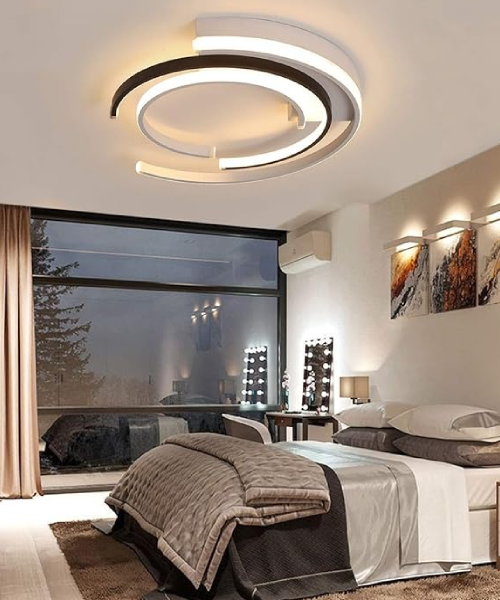
The single most impactful cheap home decor move available to almost anyone is changing the light bulbs throughout their home to warm white, 2700K. Not buying new fixtures. Just changing the bulbs. A room lit with cool white or daylight bulbs in the evening feels like a workspace. The same room with warm white bulbs in every lamp and fixture feels calm and domestic. The cost is $3 to $5 per bulb and the difference is immediately visible.
Beyond the bulbs, the next step is adding a light source that isn’t the overhead fixture. Most rooms rely entirely on ceiling lights, which create flat, directionless illumination with no atmosphere whatsoever. A bedside lamp, a floor lamp in a living room corner, a small table lamp on a console — any of these creates a pool of warm light at a human height that changes the whole feeling of the room in the evenings.
A decent floor lamp in the $55 to $80 range that gets used every evening is one of the better decor investments available. It earns back its cost in atmosphere quickly. A rattan or woven shade adds texture to the room even in the daytime when the lamp is off, which makes it pull double duty as a visual element and a light source.
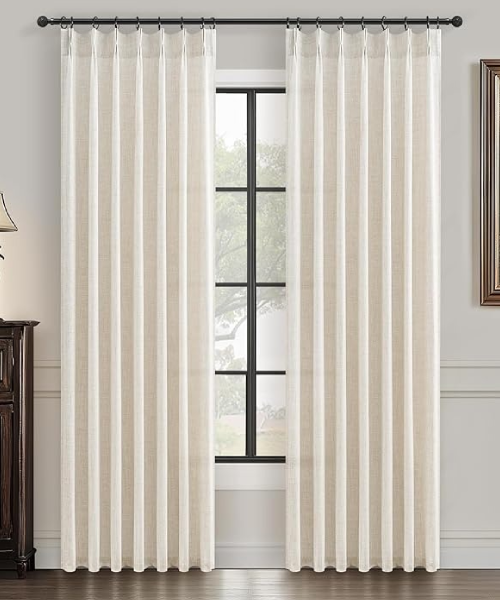
Most rental apartments and first homes have either no curtains or the wrong curtains, and the visual difference between a room with properly hung curtains and one without is significant enough that it often reads as the single biggest upgrade available.
The specific thing that makes curtains look expensive: hanging them high and wide. Most people hang curtain rods just above the window frame, at window width. This makes windows look small and the ceiling look low. Hang the rod 4 to 6 inches below the ceiling, and extend the rod 8 to 10 inches past the window on each side. The window looks larger. The ceiling looks higher. The room looks more designed. The curtains cost the same.
For the curtains themselves: linen-look panels in a neutral warm tone — off-white, warm cream, dusty linen — work in almost any room. IKEA’s HILLEBORG at $30 to $50 per panel, or H&M Home’s linen curtains at $40 to $60 each. These read as considered choices rather than afterthoughts, especially at the right length, which is floor to ceiling or puddling very slightly on the floor. Curtains that stop at the windowsill or hover awkwardly mid-wall look like they were measured wrong.
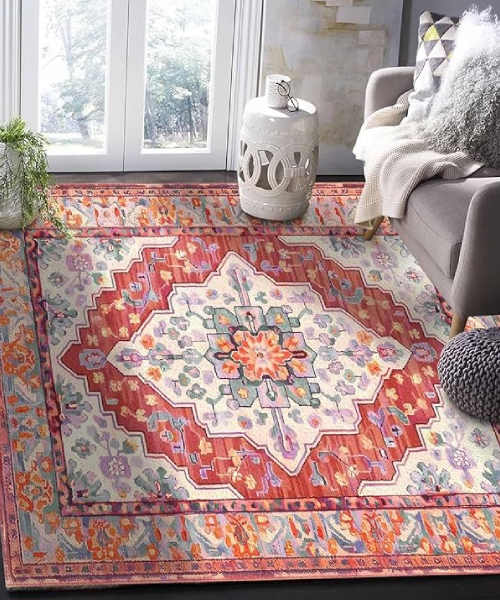
The rug mistake that shows up in more rooms than any other decor problem: buying one that’s too small. A rug that sits in the center of a room while all the furniture floats around it on bare floor looks like a bath mat that wandered in from another room. It makes the space look incomplete regardless of everything else in it.
In a living room, all main seating pieces should have their front legs on the rug at minimum. A 5×8 is generally the smallest size that works for a standard living room and many rooms actually need an 8×10. In a bedroom, the rug should extend 18 to 24 inches on either side of the bed so feet land on something soft in the morning.
The budget consideration here is that going bigger in rug size usually means spending more. The honest answer to this is to find a rug you can afford in a larger size even if it means sacrificing some quality, rather than buying a smaller, nicer rug that won’t do the room justice. A plain jute rug in the right size at $150 reads better in a space than a beautifully patterned $150 rug that’s two feet too small in every direction.
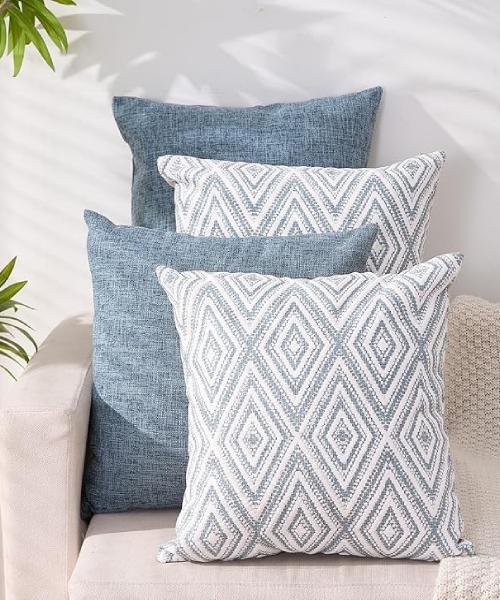
Throw pillow covers are the fastest room refresh available and the category where budget makes the least difference to the final visual result. An $8 linen pillow cover in the right earthy tone does the same visual job as a $30 one. The cover is what you see. The cover is what matters. The insert underneath can come from IKEA for $6 and it doesn’t change anything.
What matters in pillow covers: the texture, the color, and how they relate to each other and to the sofa. Two covers that share a color temperature — both warm and earthy, or both cool and muted — look like they were chosen together even if they came from different places and cost different amounts. Two covers that fight each other tonally look like they were bought at different times without any connection, even if they came from the same shop on the same day.
The 2026 sweet spot in pillow cover colors: terracotta, warm rust, dusty olive, warm cream, warm brown. These tones sit together naturally, they relate to almost any neutral sofa color, and they have enough warmth that they improve the atmosphere of the room rather than just filling the surface.
The quantity that actually works in daily life: two or three covers on a standard sofa. Four if the sofa is large. More than that and you’re rearranging them every time someone sits down, which means they spend most of their time on the floor rather than on the sofa.
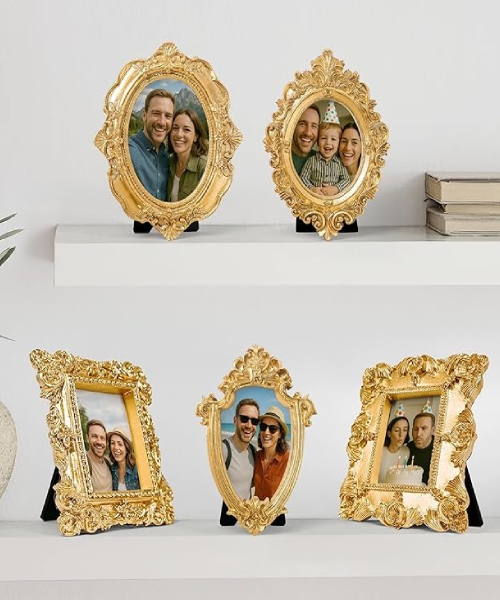
A bare wall in a main room is one of the most reliably unfinished-looking elements in any home, and the anxiety about solving it is what keeps most people living with it for longer than they should. The hesitation usually comes from not knowing where to start, which piece to buy, how to arrange multiple things without it looking wrong.
The simplest answer: one large piece on the main bare wall, properly sized. Not a collection of small frames at this stage. One thing, big enough to actually register on the wall. The scale of what looks right is almost always larger than what people initially consider. Tape some newspaper to the wall in the rough dimensions you’re thinking and stand back. That size usually looks too small. Go bigger.
The most affordable route to decent wall art: downloadable print files from creative sellers cost $3 to $8. A local print shop prints them at whatever size you need for $15 to $25 in large format. An IKEA RIBBA frame at $8 to $20 depending on size completes the piece. Total spend: under $45 for something that looks like a real considered art purchase. The key is choosing the right subject matter — botanical illustrations, abstract work in earthy tones, simple black and white photography — things that have some staying power rather than very specific trend-driven content.
For people who prefer physical prints: small independent print shops and Etsy sellers often sell unframed prints at $15 to $35 in sizes that work well for standard IKEA frames.
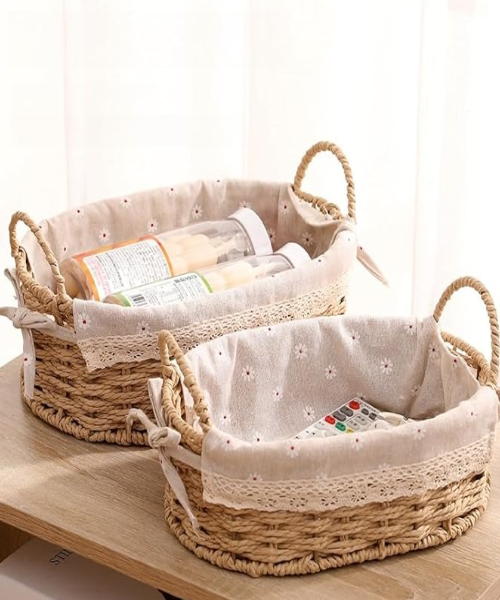
Wicker and woven baskets are one of the few home decor items that solve two problems simultaneously — storage and visual texture — and they do both at a low price. A wicker basket beside a sofa holding extra blankets, a woven basket under a console table holding dog toys or children’s things, a smaller basket on a shelf holding the accumulated small objects that otherwise just sit there — these are storage solutions that add natural material and visual warmth to a room rather than hiding it away in a plastic bin.
The texture that baskets introduce is the kind that 2026 home decor trends are pointing toward: visible, natural, handmade-feeling. A room with one or two wicker baskets reads as warmer and more considered than the same room with the same items in plastic boxes. The cost difference is $5 to $15 more than the plastic equivalent. The visual difference is significant.
Sizes: a large floor basket ($20 to $35) for throws or laundry. A medium basket ($12 to $20) for shelf or console storage. A small basket ($8 to $15) for a surface. IKEA, TJ Maxx, HomeGoods, and most secondhand stores all carry them at accessible prices.
Where to Spend
The rug is the main place to spend without regret. Cheap rugs look cheap in person in a way that shows up every day. The quality difference between a $50 rug and a $180 rug is immediately visible and keeps being visible. If there’s a single budget line to stretch in home decor, this is it.
Lighting fixtures are the second place worth spending. A lamp you’ll turn on every evening for the next five years earns back its cost in use quickly. A $75 lamp used every evening for five years costs less than $0.05 per use. The cheap version with the thin shade and the wobbly base is a daily reminder of the saving.
Where to Save
Pillow covers, as established — the budget options are genuinely fine. Wall art using the downloadable print approach saves $50 to $100 per piece without any visible quality difference. Decorative objects like vases, trays, and small ceramic pieces from secondhand markets and thrift stores are typically indistinguishable from retail equivalents at a fraction of the cost. Candles from Target’s Threshold range at $8 to $14 are genuinely good for everyday home scenting and don’t require the premium spend. IKEA frames for wall art are essentially the same product as frames sold elsewhere for twice the price.
Product Picks
Pillow covers in linen or boucle texture: Amazon solid earthy tones at $8 to $14 each. Wall art: downloadable print plus IKEA RIBBA frame, total $30 to $45. Wicker basket in medium or large size: IKEA, HomeGoods, or TJ Maxx at $12 to $35. Scented candle in a warm woodsy profile: Target Threshold Apothecary at $8 to $14. Ceramic or terracotta vase for a shelf or console: thrift store find or IKEA GRADVIS at $5 to $15. Decorative tray for organizing surface objects: Amazon bamboo or IKEA VOBLINARE at $10 to $18. Small table lamp with warm bulb for a corner or bedside: Brightech range at $35 to $55. Area rug in jute or textured neutral: Rugs USA or Wayfair at $130 to $220 for a 5×7.
Final Thoughts
The rooms that look genuinely good on a limited budget have almost nothing to do with finding cheaper versions of expensive things. They have to do with making the choices that actually matter — scale, light, a consistent color temperature running through the textiles — and not spending money on things that fill space without changing anything.
One properly sized rug and two good pillow covers in colors that belong in the room together does more than ten $10 objects arranged on a shelf. The principle is the same regardless of budget. Fewer, more considered things. Better light. Properly scaled. That’s the whole system, and it works at almost any price point if you’re honest about what actually does the work.