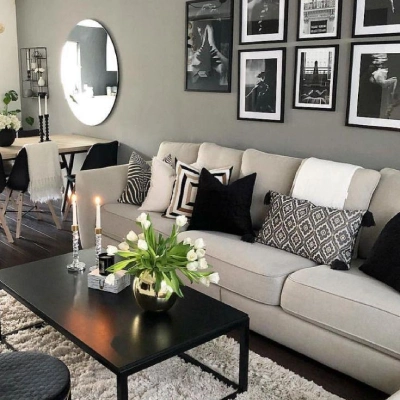

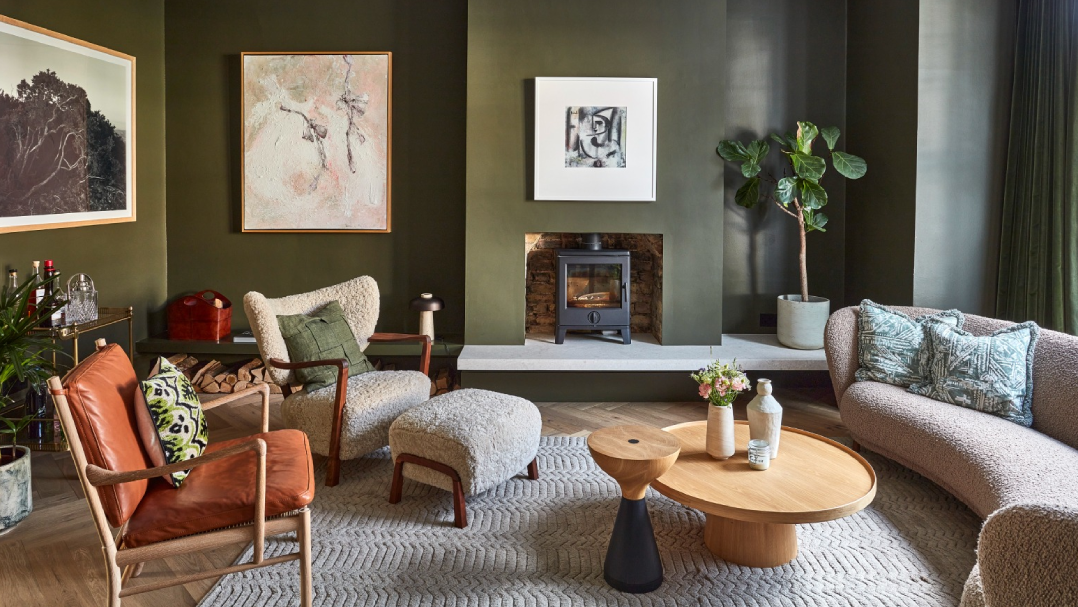
Most budget home decor advice treats the home as a single undifferentiated space and recommends the same solutions for everything. Add a throw blanket. Get a rug. Buy some candles. These aren’t wrong suggestions but they’re not the whole story either, because different rooms have different problems and the things that solve them aren’t always the same.
A living room that feels unfinished has different needs than a bedroom that feels cold or an entryway that reads as an afterthought. Going room by room changes the question from “how do I make my home look better” — which is too big a question to answer usefully — to “what is the one thing this specific room needs most,” which is much more answerable.
This guide goes room by room through the spaces most people are trying to improve and identifies what genuinely matters in each one, at budget prices that don’t require any creative accounting to justify.
What Makes Decor Look Expensive
Scale is the answer most people don’t consider first. Things that are the wrong size for the space they’re in look wrong regardless of their quality or their cost. A small rug in a large room. A small piece of art on a large wall. Curtains that stop at the windowsill. These things signal “unfinished” to everyone who walks in, and fixing the scale often doesn’t cost more than the wrong-sized version did.
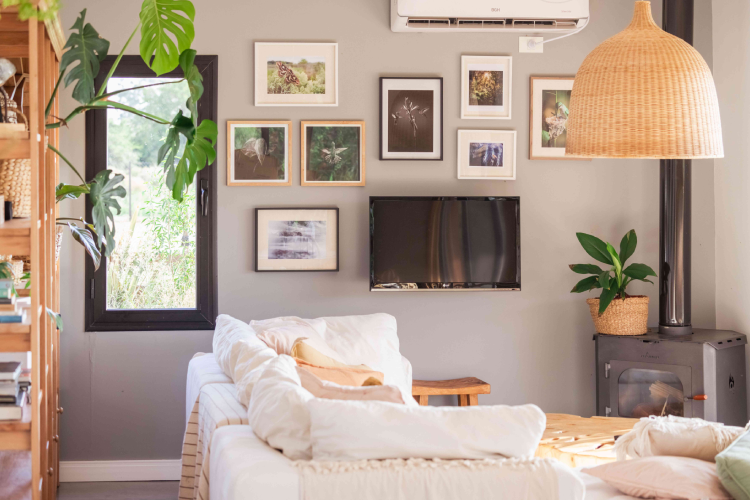
Consistency is the second answer. Not matching, but relating. A room where the warm tones in the rug echo the warm tones in the pillow covers and the warm tone of the lamp light feels considered even when every individual item was inexpensive. A room where each object is doing its own thing visually feels busy and unresolved even when individual pieces are quality.
Idea 1 — Lighting First, Always
Every room benefits from this before anything else: change any cool white or daylight bulbs to warm white 2700K. Do it tonight, before spending any money on anything decorative. The cost is a few dollars per bulb and the change in how rooms feel in the evenings is immediate.
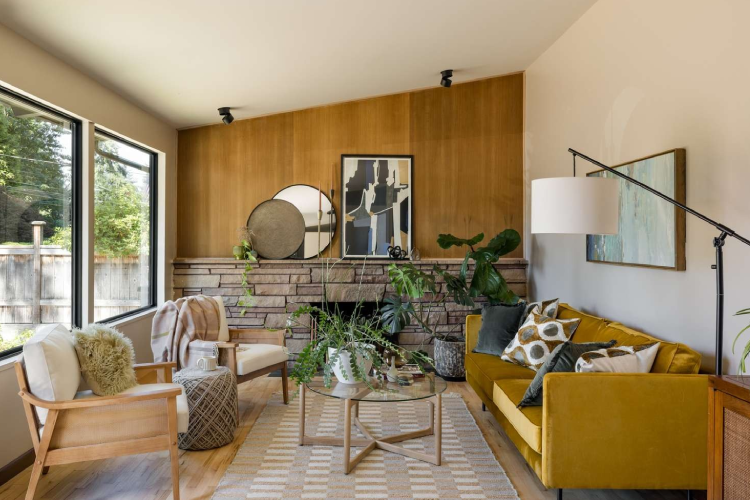
In the living room after that: a floor lamp in a corner that isn’t the sofa’s immediate vicinity. This creates the depth and atmosphere that overhead-only lighting never manages. In the bedroom: a bedside lamp that replaces the overhead light as the primary evening light source. In the kitchen and bathroom where overhead is often unavoidable: the warmest bulb available in the existing fixtures makes more difference than you’d expect.
For accessible budget floor lamps: the Brightech Sparq arc lamp at $65 to $80 or a basic rattan-shade floor lamp from Amazon at $55 to $75. Both last years and both produce the warm corner light that most rooms are missing.
Idea 2 — Curtains Done Right
The living room and bedroom both benefit enormously from properly hung curtains, and “properly hung” has a specific meaning: rod close to the ceiling, extended well past the window frame on each side. This makes windows look bigger, ceilings look higher, and rooms look more considered. Curtains that hang at window height and end at the windowsill look like they were measured wrong even when they weren’t.
Budget curtains that look decent: IKEA’s HILLEBORG linen-look panels at $30 to $50 per panel, or Amazon’s linen semi-sheer options in warm cream or oatmeal at $25 to $40 per panel. The fabric isn’t premium, but hung correctly — floor to ceiling, wide enough to frame the window generously — they look like a real decorating decision.
For bedrooms where blackout is needed: H&M Home’s lined linen-look panels at $60 to $80 per panel do both. They look good and they block light. That dual function makes them worth the slightly higher price in a bedroom.
Idea 3 — The Rug Is Never the Place to Go Small
Every room with hard flooring benefits from a rug. Not a decorative rug placed in the middle of the room as an accent. A properly sized rug that anchors the main use area of the room and makes the furniture on top of it feel like a cohesive arrangement rather than individual objects floating on a floor.
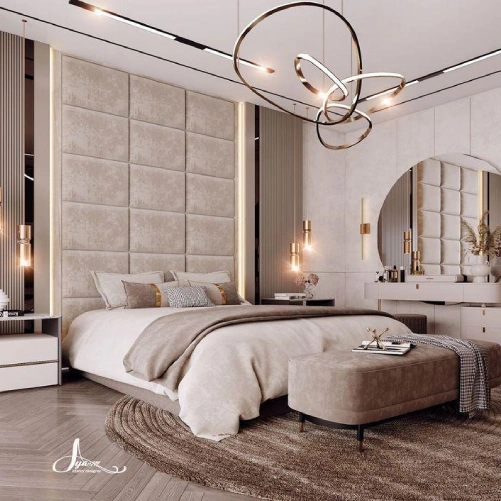
In the living room, as mentioned throughout this series: front legs of all seating on the rug. This means a 5×8 at the absolute minimum for most rooms and an 8×10 for standard-sized living rooms. In the bedroom: 18 to 24 inches of rug extending past the bed on both sides. In an entryway: a runner long enough that you actually step onto it when you come through the door rather than stepping around it.
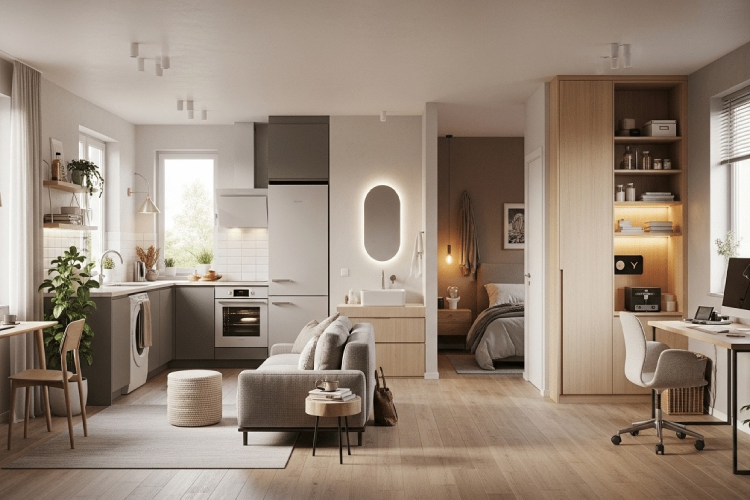
The budget reality: decent rugs in the right size start at $130 to $160 for a 5×7 from Rugs USA, Wayfair, or similar. A jute rug in the right size at $130 is a better investment than a nicer patterned rug at $130 that’s 2 feet too small in every direction.
Idea 4 — Cushion Covers as a Color System
Cushion covers are where you introduce the color temperature that runs through the room and makes individual pieces feel related. The 2026 direction in cushion colors — terracotta, warm rust, dusty olive, warm cream — gives you a palette to work within that sits warmly against almost any neutral sofa color.
The rule that makes this work on a budget: buy covers, not filled pillows. A $6 IKEA insert plus a $10 cover is the same visual result as a $35 filled pillow. Change covers when you want a change. Keep the inserts.
Two or three covers on a sofa, with at least two different textures in the same warm color register, is the practical formula. Linen and boucle next to each other look more interesting than two linens of the same weight. The mix of textures is what creates the layered look that reads as considered.
Idea 5 — Wall Frames and Proportions
The entryway is the room that most often has a specific wall problem: there’s one obvious wall that’s blank and slightly awkward and nothing has ever felt quite right on it. A mirror is usually the best answer here, not a frame. A properly sized mirror in an entryway makes the space feel larger, doubles the light, and looks like a considered design choice. An arch-shaped mirror at $50 to $80 from IKEA or Amazon is the specific recommendation — the silhouette does visual work that a plain rectangular mirror doesn’t.
For living room and bedroom walls: one large piece rather than a collection of small things. A large botanical print from a downloaded file, printed at a local print shop for $20 and framed in an IKEA RIBBA for $12, on the main bare wall of any room changes how finished the room looks more than any collection of smaller frames would.
Idea 6 — Baskets as Texture and Storage
The specific value of wicker baskets in budget decorating is that they do two things that plastic storage doesn’t: they store things and they add natural texture to the room. A plastic bin under a console table is invisible storage. A wicker basket under the same table is storage and a decorative element. The price difference is $8 to $15 over the plastic equivalent.
For an entryway: a large basket beside the door for bags and shoes reads as an intentional design choice rather than a pile. For a living room: a basket holding extra throw blankets or remotes beside the sofa. For a bedroom: a woven basket on a shelf holding accessories or books. The natural material is the point — it adds the kind of organic, handmade-feeling texture that makes a room feel warmer.
Where to Spend
The rug, as always. A properly sized decent-quality rug anchors every room it’s in and its absence or wrong-sizing is visible every day. Floor lamps for living rooms and bedrooms where atmosphere matters in the evenings. These are daily-use items that earn back their cost in how much better the room feels every night you use them.
Where to Save
Pillow covers — genuinely, the budget option is the same visual result as the premium one. Wall art using the downloaded print approach. Decorative objects including vases, trays, and ceramic pieces from secondhand markets. Candles for everyday home fragrance from Target’s accessible range. Baskets from IKEA, HomeGoods, or TJ Maxx rather than premium home stores.
Product Picks
Linen pillow covers in earthy tones: Amazon solid range at $8 to $14 each. Floor lamp with warm shade: Brightech at $65 to $80. Linen-look curtain panels: IKEA HILLEBORG at $30 to $50 per panel. Area rug in jute or textured neutral: Rugs USA at $130 to $220. Botanical print download: Etsy or Society6 at $3 to $8, printed locally for $15 to $25. IKEA RIBBA frame: $8 to $20 depending on size. Wicker basket in medium or large: IKEA or HomeGoods at $12 to $35. Scented candle in warm profile: Target Threshold at $8 to $14. Ceramic vase for shelf: IKEA or thrift at $5 to $15. Bamboo or rattan decorative tray: Amazon at $10 to $18.
Final Thoughts
Budget decorating room by room is really just the same principles applied consistently: light first, then scale, then color coherence across the textiles. The room doesn’t care what you paid for things. It cares whether they’re the right size, the right temperature of color, and placed with some intention. Those three things are available at any price point. The budget just determines which specific products you use to achieve them.