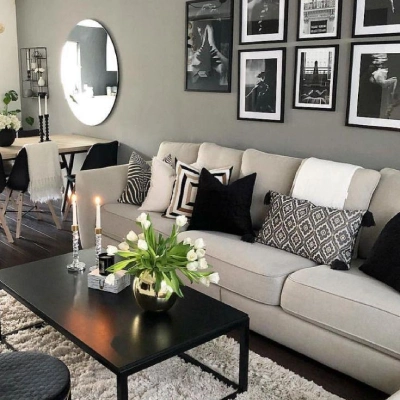

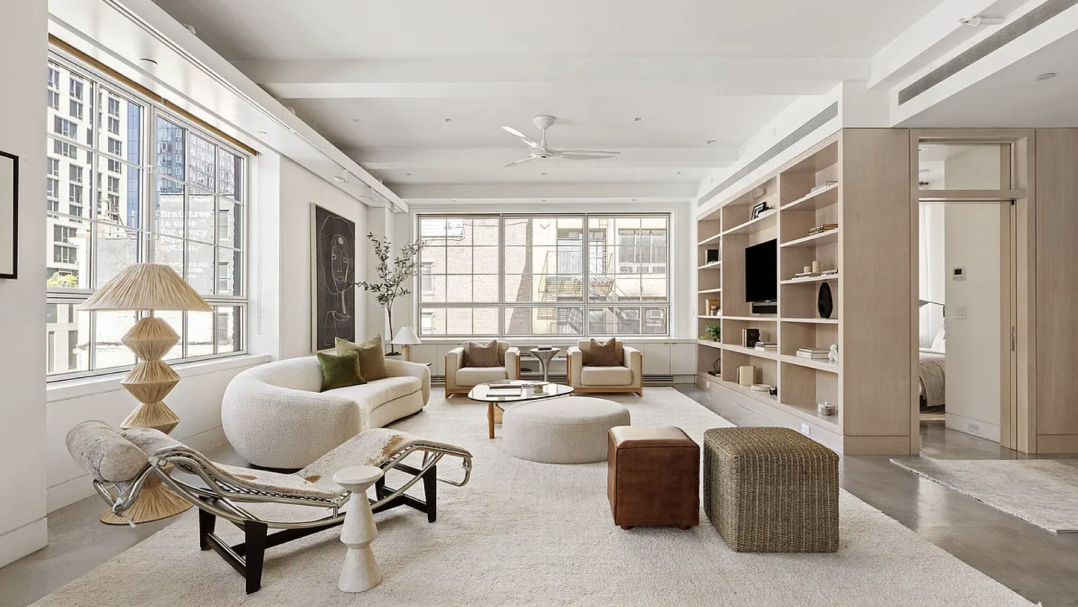
There’s a specific kind of disappointment that comes from buying things for your home that looked right in the product photos and look wrong in the actual room. You spent real money. The item is technically fine. But it doesn’t improve the room the way you hoped, and you can’t quite articulate why.
Usually the reason is one of three things: scale, placement, or color relationship. The pillow cover is the right style but the wrong tone relative to the sofa it’s on. The rug is nice but 18 inches too small in every direction. The wall art is well-made but the wrong size for the wall it’s on. These are fixable problems and none of the fixes require more money. They require more attention to the specific things that actually determine whether decor works.
This guide is organized around those specific things — six ideas that change how a room reads, with honest product recommendations and honest numbers.
What Makes Decor Look Thoughtfully Designed
The rooms that read as designed — even when they aren’t expensive and weren’t professionally put together — share a few qualities that are worth naming clearly.
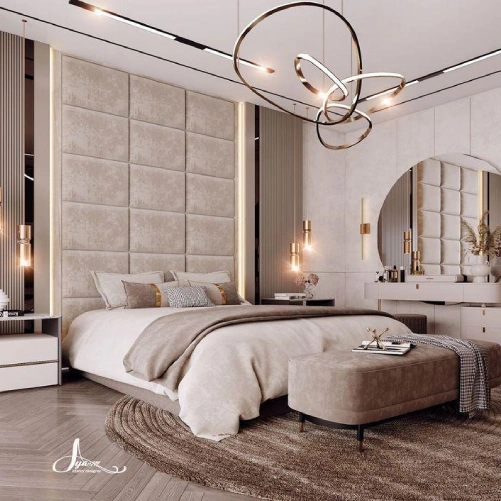
Things are the right size for the space they’re in. The rug is large enough that it actually anchors the furniture. The art is large enough that it registers on the wall. The curtains are long enough that they touch the floor. Proportion is the single most common thing that separates rooms that feel finished from rooms that feel like they’re missing something.
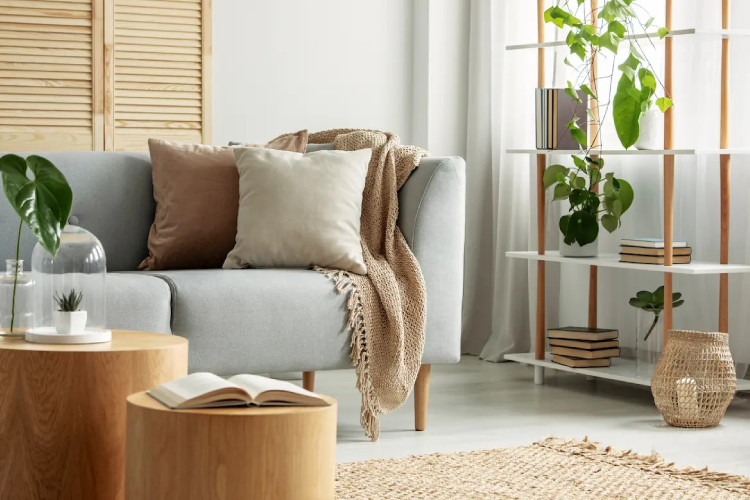
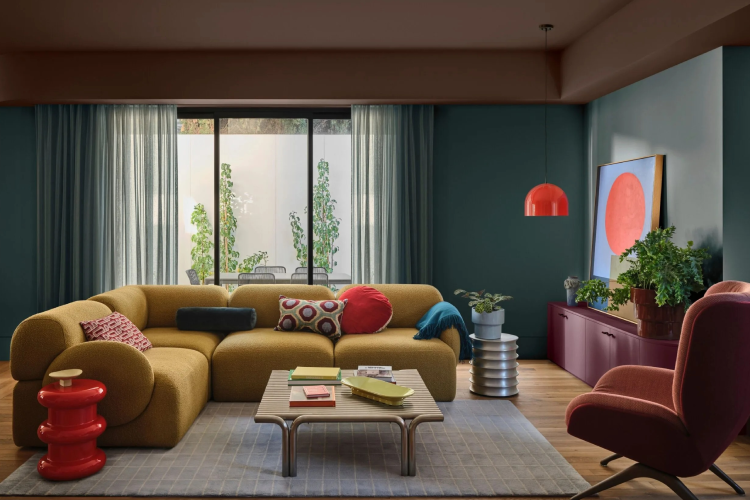
There’s a thread running through the color choices. Not everything matching, but everything relating. The warm rust in the pillow cover picks up on the warm ochre in the rug, which picks up on the warm cream of the linen curtains. The room has a temperature and a mood that’s consistent even though individual pieces are different.
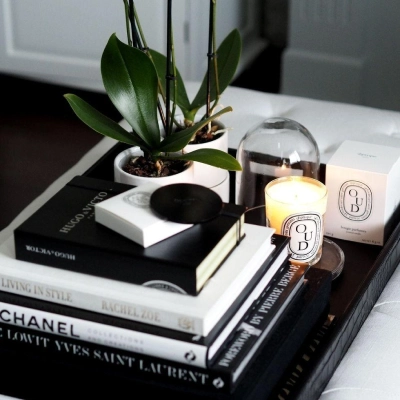
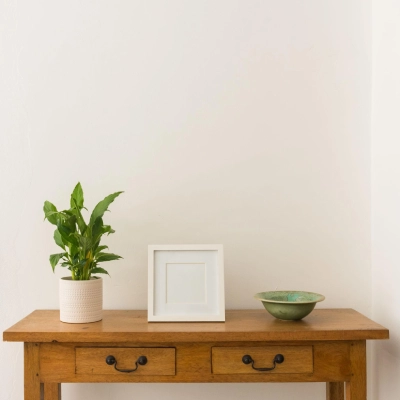
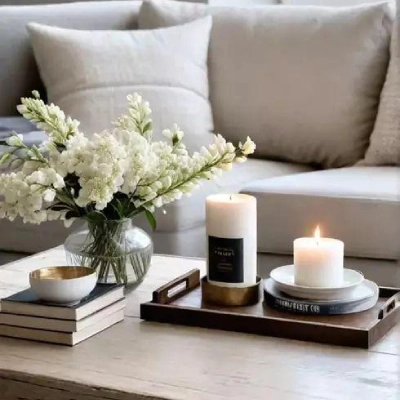
Surfaces have breathing room. Things aren’t crammed onto shelves. The console table has three objects on it rather than twelve. The bookshelf has books plus some space plus one or two objects, not books plus objects plus accumulated mail plus things without homes. The restraint is what makes what’s there look intentional.
Idea 1 — Lighting
Change the light bulbs in every lamp and fixture in your home to 2700K warm white. That’s the whole instruction for this step. The cost is $3 to $5 per bulb. The difference in how rooms feel in the evenings is not subtle. Do this before buying anything else for your home.
After the bulbs: add at least one light source in your living room that isn’t the overhead. A floor lamp at $55 to $80, a table lamp on a side table at $35 to $55. The goal is to have somewhere between 3 and 5 light sources in the room, used in combination rather than relying on one overhead fixture to do all the work. This is the single change that most reliably transforms how a living room feels after dark.
Idea 2 — Curtains
Hang the rod as close to the ceiling as the architecture allows. Extend it 8 to 10 inches past the window frame on both sides. Let the curtains fall to the floor or very slightly past it. This costs nothing extra if you’re buying curtains anyway — same product, different placement. The room looks taller, the window looks larger, the whole thing looks more like a deliberate decorating decision.
IKEA linen-look panels at $30 to $50 per panel, hung this way, look like curtains that cost three times as much. The placement is doing 80% of the work.
Idea 3 — Bigger Rug
The number of rooms I’ve been in where the rug is the wrong size is much larger than the number where it’s right. It’s the most common decorating mistake and also one of the most fixable, although it does require accepting that you probably need a larger rug than you think.
For a living room: front legs of all main seating on the rug. For a bedroom: feet landing on the rug when you get out of bed. For an entryway: a runner you actually walk on coming through the door. These requirements almost always mean buying a size or two up from what initially seemed like the right choice.
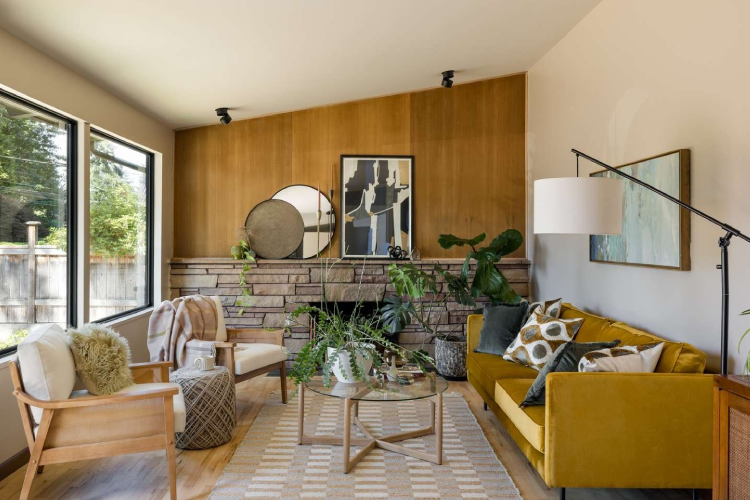
Jute in the right size at $130 to $180 for a 5×7 or 5×8 does this job perfectly well. The natural texture looks intentional, the neutral color works with almost anything, and the properly anchored room it creates looks considerably more designed than the same room with a smaller nicer rug that’s two feet too small.
Idea 4 — Better Cushion Covers
Two or three pillow covers in earthy, warm tones — terracotta, dusty olive, warm rust, warm cream — in two different textures on a neutral sofa. That’s the formula. The covers can cost $8 to $14 each and the result looks like a considered choice rather than an afterthought.
Buy separate inserts from IKEA for $6 each. Never pay for premium inserts. The cover is the whole visual product. The insert is just structure.
The texture mixing is what elevates this from basic to genuinely good-looking. A linen cover next to a boucle cover, both in the warm earthy register, looks layered and intentional. Two identical linen covers in the same color looks like you bought a set.
Idea 5 — Wall Frames
One large piece on the main bare wall of any room. Not a collection of small things. One thing, large enough to fill a significant portion of the wall, placed at a height where the center of the piece is at eye level when standing.
The downloadable print approach: $5 digital file, $20 local print shop for large format, $12 IKEA RIBBA frame. Under $40 for something that looks like a real art purchase. Botanical prints, abstract work in earthy tones, black and white photography — any of these in a large format on a bare wall makes the room look finished in a way that five small frames never quite achieve.
Idea 6 — Baskets
Wicker baskets replace plastic storage bins in every room they’re used in and the visual improvement is immediate. A plastic storage box adds nothing to a room. A wicker basket in the same position adds natural texture, visual warmth, and a material quality that reads as considered. The cost difference is small. The visual difference is not.
One large floor basket beside the sofa for blankets or magazines: $20 to $35. One medium basket on a shelf for miscellaneous items: $12 to $20. One small basket on a console or dresser for small objects: $8 to $15. These three purchases alone add a thread of natural material through a home that makes it feel warmer without requiring any other change.
Where to Spend
The rug. This is the consistent answer across every budget home decor guide because it’s consistently true. Below a certain quality threshold, rugs show their price in person in a way that most other budget decor items don’t. The floor lamp for evening atmosphere is the second spend-worthy category. Daily-use items justify their cost through frequency. A $75 lamp used every evening is a good investment. A $15 lamp that’s also the only light source in a room is a daily reminder of the saving.
Where to Save
Pillow covers — the budget option is genuinely the same visual result as the expensive one. Wall art using the downloaded print and IKEA frame approach. Candles for everyday home fragrance; Target’s Threshold range at $8 to $14 is genuinely good. Ceramic vases, trays, and small decorative objects from thrift markets where the secondhand finds are often identical to retail at a fraction of the price. Baskets from IKEA and HomeGoods rather than premium home stores.
Product Picks
Pillow covers linen texture earthy tones: Amazon $8 to $14 each. Scented candle warm profile: Target Threshold Apothecary $8 to $14. Ceramic vase neutral tone: IKEA GRADVIS or thrift $5 to $15. Rattan or bamboo decorative tray: Amazon $10 to $18. Area rug jute or textured neutral 5×7: Rugs USA $130 to $180. Wicker basket medium or large: IKEA or HomeGoods $12 to $35. Floor lamp with warm shade: Brightech or similar $55 to $80. Wall art downloadable file plus IKEA RIBBA frame: $30 to $45 total. Linen-look curtain panels: IKEA HILLEBORG $30 to $50 per panel.
Final Thoughts
Cheap decor ka issue price nahi hota — aksar size, finish, aur placement hota hai. A $12 pillow cover in the wrong tone on the wrong sofa looks cheap. The same cover in the right tone next to a complementary texture looks like it cost more than it did. The principles are consistent regardless of budget: scale things properly, keep a color thread through the textiles, give objects breathing room on surfaces. These cost no money and they change everything.