
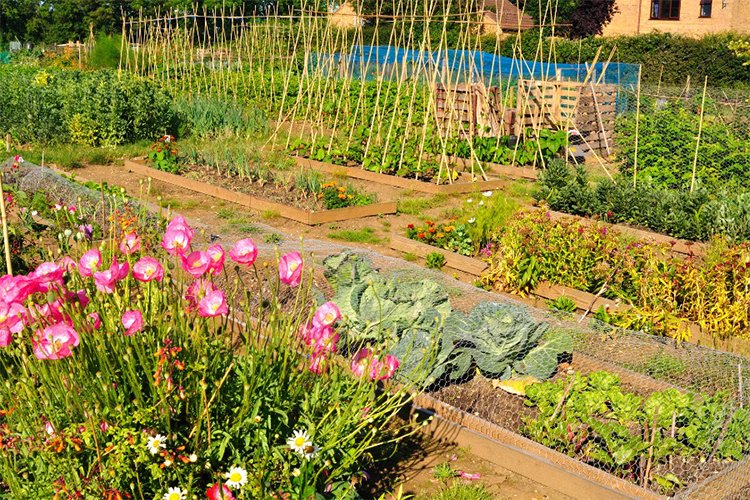
Gardening at home is a rewarding and relaxing hobby that allows you to connect with nature, get some fresh air, and create a beautiful outdoor space. Whether you want to grow flowers, vegetables, or herbs, gardening can be a fulfilling way to spend your time and beautify your home. For beginners, the world of gardening can be overwhelming with all the different plants, tools, and techniques to consider. However, starting a garden doesn’t have to be difficult or intimidating. With a few basic tips and tricks, anyone can start growing their own plants and enjoy the process.
In this blog, we share 10 Easy Tips for Beginners on Home Gardening. These tips are designed to help you get started with gardening and ensure that you can grow healthy plants and create a garden you’ll love. By following these simple guidelines, you’ll be a successful gardener in no time.
1. Start small
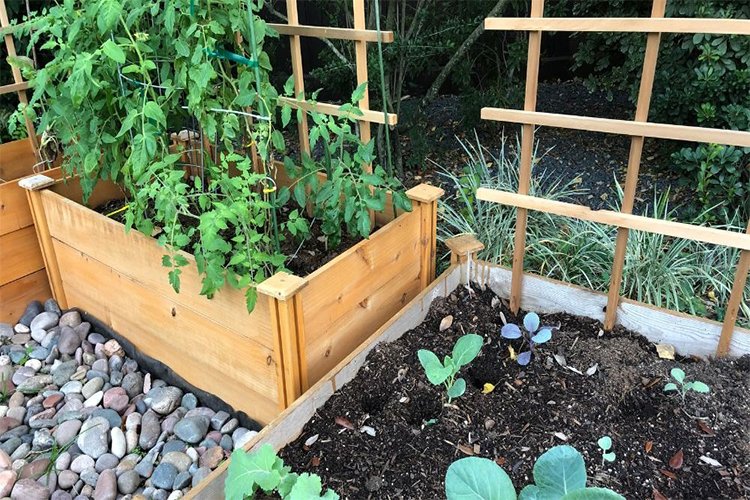
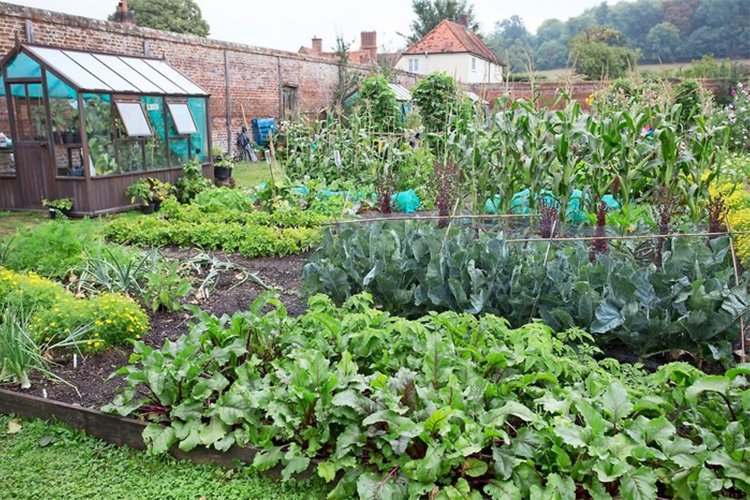
If you’re just starting out in gardening, it’s important to start small. Choose a small area of your garden or even a few pots to start with. Overcrowding your space with too many plants can lead to problems like pests, disease, and poor growth. Starting with just a few plants will help you learn the basics of gardening without becoming overwhelmed.
As you gain experience, you can expand your garden and try new plants. Starting small gives you the opportunity to build your confidence and knowledge before diving into more complex gardening projects.
2. Choose the right plants for your area
Not all plants thrive in every climate or soil type, so it’s important to choose plants that are suited to your specific environment. Before purchasing plants, take the time to find out which ones grow well in your area. Consider factors like temperature, rainfall, and the amount of sunlight your garden receives.
If you live in a warmer climate, consider drought-resistant plants or succulents. If you live in a cooler climate, choose plants that are hardy in your area. Local garden centers or online plant retailers often carry plants specifically selected for your area, making it easier to find suitable options.
3. Prepare your soil
Healthy soil is the foundation of a successful garden. Before planting, take the time to prepare your soil by removing any weeds, rocks, or debris. Loosen the soil with a garden fork or tiller, which will improve air circulation and allow roots to grow freely.
If your soil is poor, you can improve it by adding organic matter such as compost, mulch, or fertilizer. This will provide your plants with essential nutrients and help retain moisture, which is crucial for healthy growth. A well-prepared soil environment will help your plants succeed.
4. Water Properly
Watering is one of the most important aspects of home gardening and it’s important to do it right. Although each plant has different water needs, the general rule is to water deeply and less frequently rather than shallowly and often. This encourages plant roots to grow deeper, making them more resilient to drought conditions.
Always check the soil moisture level before watering. If the top 1 inch of soil is dry, it’s time to water. It’s also important to water early in the day to minimize evaporation and prevent the growth of fungus and mold. Avoid watering in the evening as this can create damp conditions that encourage disease.
5. Use the Right Tools
Having the right gardening tools can make your tasks much easier and more efficient. Basic tools every beginner gardener should have include a trowel, pruning shears, a watering can or garden hose, a rake and gardening gloves. As you gain experience, you may want to invest in additional tools such as a shovel, hoe or wheelbarrow, depending on what type of gardening you plan to do.
Keep your tools clean and in good condition. Regular maintenance will ensure they last longer and make your gardening more enjoyable.
6. Know sunlight needs
Plants need sunlight to thrive, but different plants have different sunlight requirements. Some plants need full sun, while others prefer partial shade or full shade. It’s important to understand your plants’ sunlight needs before placing them in your garden.
Pay attention to how much sunlight your garden receives throughout the day. If you have a sunny area, choose plants that thrive in full sun, like tomatoes or sunflowers. For shadier spots, consider plants like ferns or hostas. By matching your plants’ sunlight needs to their growing environment, you’ll ensure they get the right conditions to thrive.
7. Mulch your garden
Mulching is a simple but effective way to improve the health of your garden. Applying a layer of mulch around your plants helps retain moisture, suppress weeds, and regulate soil temperature. It also adds organic matter to the soil as it decomposes, enriching the soil over time.
There are several types of mulch to choose from, including organic options like wood chips, straw, or shredded leaves, and inorganic options like gravel or plastic. Choose a mulch that meets your aesthetic and practical needs and apply it around your plants, leaving space around the stems to prevent rot.
8. Prune regularly
Pruning is an essential part of maintaining healthy plants. By removing dead, damaged, or overgrown branches, you encourage new growth and improve the overall shape and health of your plants. Pruning also helps prevent disease by increasing air circulation and reducing the risk of fungal infections.
Take time to figure out when and how to prune the specific plants in your garden. Some plants may need to be pruned in early spring, while others benefit from pruning in the fall. Regular pruning will help keep your plants looking their best and thriving.
9. Watch for pests and diseases
Pests and diseases can quickly ruin a garden, so it’s important to keep an eye on your plants for signs of trouble. Look for discolored leaves, holes, or wilting, which can indicate a pest infestation or disease. Early detection is key to preventing these problems from spreading.
Consider using natural pest control methods such as neem oil, insecticidal soap, or introducing beneficial insects like ladybugs. If you must use pesticides, try to choose organic or eco-friendly options to minimize harm to beneficial insects and the surrounding ecosystem.
10. Be patient and enjoy the process
One of the most important tips for beginners is to be patient. Gardening is a slow process and it may take some time for your plants to grow and thrive. Don’t be discouraged if things don’t go perfectly at first. Every gardening experience, successful or not, is an opportunity to learn and improve.
Take the time to enjoy the process of gardening and celebrate the small successes along the way. Whether it’s seeing a flower bloom for the first time or harvesting your first home-grown vegetable, gardening is about enjoying nature and the journey.
Conclusion
Gardening is an incredibly rewarding hobby and with these 10 simple tips, even beginners can start creating their dream garden. By starting small, choosing the right plants, preparing your soil, watering properly and using the right tools, you can set your garden up for success. Don’t forget to be patient and enjoy the process – gardening is as much about the experience as it is the results. Over time, you will gain more knowledge and confidence and your gardening skills will grow along with your plants. Happy gardening!