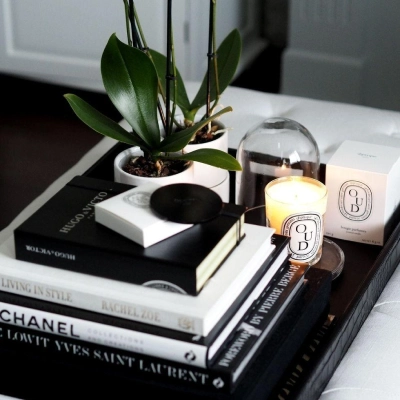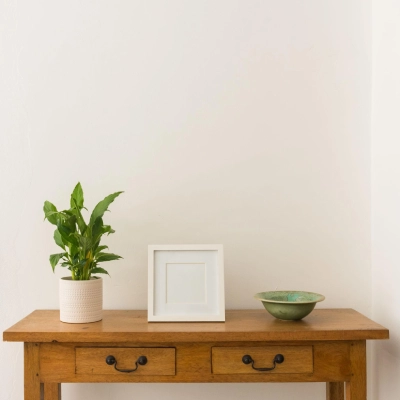

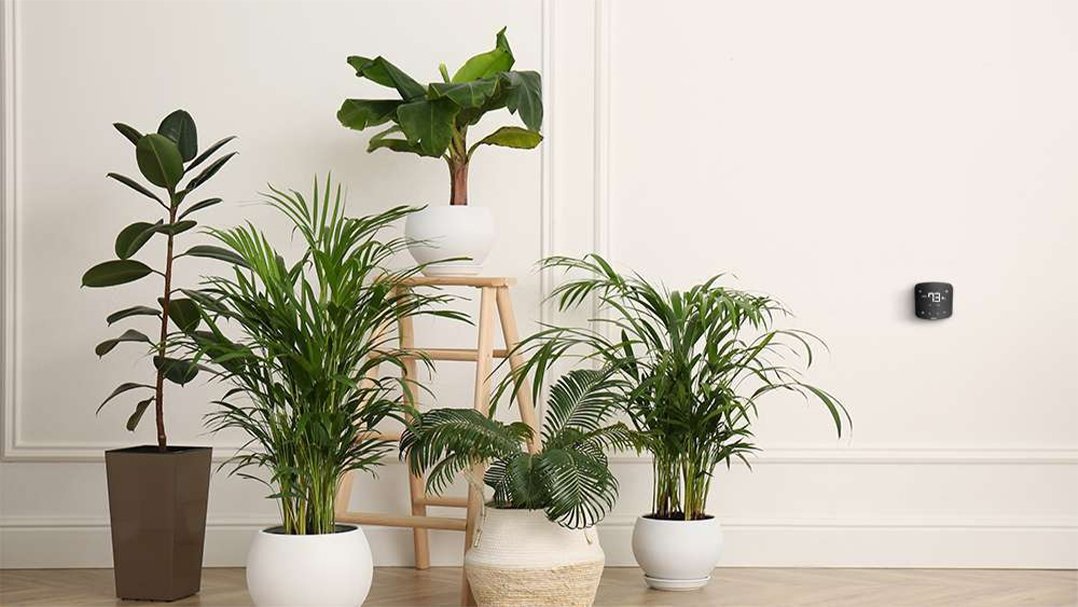
Houseplants aren’t just a beautiful way to enhance your home’s decor—they also offer a variety of health benefits, one of the most notable of which is their ability to improve indoor air quality. In today’s world where pollution and poor air quality are a problem, having plants in your home can help purify the air and create a healthier, more pleasant living space. Not only do they absorb carbon dioxide, but certain plants can also filter out harmful toxins and increase humidity, making your home feel fresher and more vibrant.
If you’re looking to upgrade your home’s interior design while reaping the benefits of clean air, here are five houseplants known for their air-purifying properties and ability to beautify your decor. These plants are easy to care for and can add beauty and health benefits to any room.
1. Spider Plant (Chlorophytum comosum)
Spider plants are one of the most popular and versatile houseplants, and for good reason. Not only do they look attractive with their long, arching, green and white striped leaves, but they are also very effective at improving indoor air quality. The spider plant is known for its ability to remove toxins like formaldehyde, xylene, and toluene from the air.
This plant is incredibly easy to grow, making it perfect for beginners. Spider plants thrive in indirect light and can tolerate a wide range of lighting conditions, from bright to dim. They require moderate watering and are relatively easy to care for, making them ideal for busy people who still want to enjoy the benefits of plants in their home.
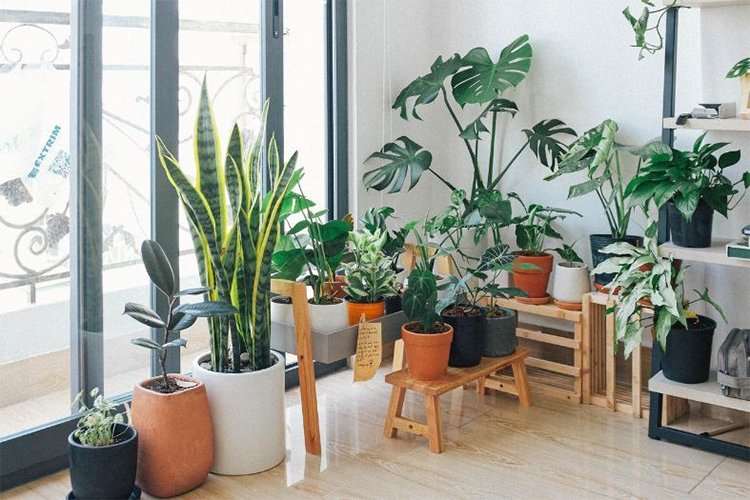
Spider plants can be placed on shelves, hanging baskets, or in decorative pots, making them a stylish addition to any room. Their drooping leaves bring a touch of greenery to your home without overwhelming the space, making them perfect for modern and minimalist interiors.
2. Snake plant (Sansevieria trifasciata)
The snake plant, also known as mother-in-law’s tongue, is a popular choice for improving indoor air quality. This hardy plant is an excellent air purifier that can remove toxins like benzene, formaldehyde, and trichloroethylene. What’s special about the Sansevieria is that it also purifies the air at night, unlike most plants that do so during the day.
Sansevieria are incredibly easy to care for, making them ideal for anyone who doesn’t have a green thumb. They thrive in a wide range of light conditions, from low light to bright, indirect light. As for watering, Sansevieria are drought-tolerant and only need to be watered when the soil feels dry to the touch. Their tall, spiky leaves with striking green and yellow markings add a bold touch to your decor, making them a perfect addition to any room, especially modern or industrial-style spaces.
3. Peace Lily (Spathiphyllum)
Peace lilies are another popular choice for improving air quality as they are effective at removing common indoor pollutants such as ammonia, benzene, formaldehyde, and trichloroethylene. Aside from their air-purifying properties, peace lilies also add elegance and beauty to your home with their glossy green leaves and stunning white flowers.
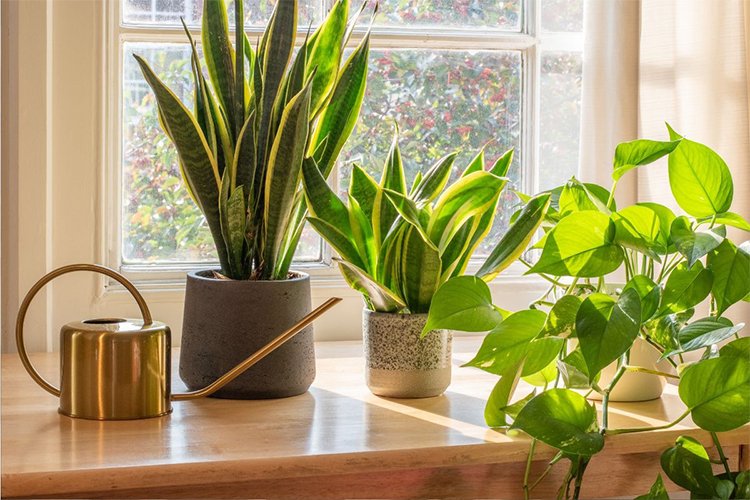
Peace lilies thrive in low to moderate light, making them perfect for spots in your home that don’t get much direct sunlight. They also prefer consistently moist soil, but shouldn’t be overwatered. A great feature of peace lilies is their ability to thrive in humidity, making them an ideal plant for bathrooms or kitchens.
The bright white flowers of a peace lily add a sophisticated touch to any room, making them perfect for formal living rooms, bedrooms or offices. Their understated beauty complements many different decor styles, from classic to modern.
4. Aloe Vera (Aloe barbadensis miller)
Aloe vera is not only known for its healing properties, but also for its air-purifying properties. Aloe vera is particularly effective at removing formaldehyde and benzene from the air, both of which are commonly found in household cleaners and paints. In addition to air purification, aloe vera also offers several health benefits, especially in terms of skin care. Its gel is known for its soothing and healing properties, making it useful for treating burns and skin irritations.
Aloe vera is an easy-care plant that requires minimal care. It thrives in bright, indirect sunlight and only needs watering when the soil is completely dry. Aloe vera plants store water in their thick, fleshy leaves, meaning they are drought-resistant and don’t need frequent watering. These plants can be placed in decorative pots or even used as focal points on coffee tables or windowsills. The clean, sharp look of the aloe vera’s spiky leaves can complement a variety of design styles, from minimalist to bohemian.
5. Rubber Tree (Ficus elastica)
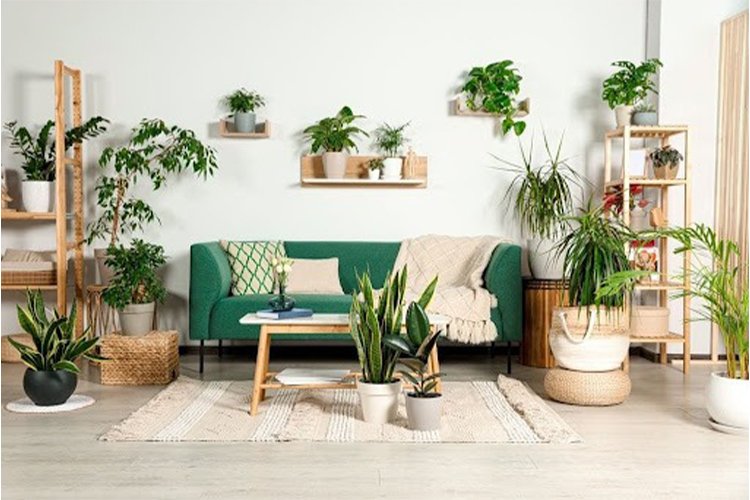
The rubber tree is an excellent air-purifying plant known for its ability to remove harmful toxins like formaldehyde from the air. Its large, glossy, dark green leaves make it a focal point in any room, and its ability to grow into a small tree makes it a perfect option for adding vertical greenery to your space.
Rubber trees thrive in bright, indirect light, but can also tolerate lower light conditions. They are relatively easy to care for and only need watering when the soil has dried out. Rubber trees prefer slightly humid environments, so it’s ideal to place them in bathrooms or near windows that get plenty of sunlight.
The bold and stylish look of this plant will add a touch of elegance to your decor, making it perfect for living rooms, offices, or even entryways. The deep green foliage of the rubber tree can create a sophisticated atmosphere, while its air-purifying properties ensure that your home stays healthy and fresh.
Conclusion
Having houseplants in your home is an easy and effective way to improve both the air quality and aesthetics of your living space. Plants like spider plant, snake plant, peace lily, aloe vera, and rubber tree are not only beautiful additions to any room, but they also help purify the air by removing harmful toxins. By incorporating these plants into your home, you can create a healthier environment while enhancing your decor.
When choosing plants for your home, be sure to consider factors like lighting conditions, space, and care requirements. Each plant has unique needs, but with a little research and care, you can enjoy the many benefits they offer. Whether you’re new to gardening or a seasoned plant lover, these five houseplants are a great place to start to improve the air quality in your home and create a more vibrant, inviting atmosphere. Happy planting!