


Sports have always been an intersection of human physicality, skill and competition. From the ancient Olympics to the high-tech arenas of modern athletics, innovation has played a critical role in how sports are played, viewed and experienced. In recent years, technological advances have not only redefined the way athletes train and perform, but have also profoundly changed the entire sports landscape. From performance-enhancing wearables to data-driven coaching tools, sports technology has evolved to provide an unprecedented experience for athletes and fans.
The rapid evolution of sports technology is not only revolutionizing the way sports are played, but also how they are consumed. Innovations are making training more effective, increasing fan engagement, improving safety and even influencing the way games are refereed. In many ways, sports technology is leveling the playing field by giving athletes new tools to optimize their performance while creating more immersive, data-driven experiences for fans.
As technology continues to evolve, it’s clear that it will continue to play a critical role in how sports are approached in the future. Here’s a look at how various advancements in sports technology are changing the game and reshaping not only how athletes perform, but also how fans and professionals interact with the sport.
Wearable Technology: Tracking and Analyzing Performance
Wearable technology has revolutionized the way athletes monitor their physical condition and improve their performance. Devices such as smartwatches, fitness trackers, and specialized wearables have become an important part of an athlete’s training program. These wearables track a variety of data points, including heart rate, movement, calorie burn, and even sleep patterns. Wearable technologies provide athletes with real-time insights into how their bodies are performing, enabling highly personalized and data-driven training plans.
One of the most notable examples of wearable technology in sports is the use of GPS-enabled trackers. Professional football players, basketball players, and runners use these devices to track their movements during practice or games. They provide valuable data on things like speed, distance, and intensity of activity. This data, in turn, helps coaches and athletes understand an individual’s strengths, weaknesses, and areas for improvement, ultimately enabling better performance and injury prevention.
For example, in soccer, wearable devices are used to measure players’ fatigue, biomechanics, and body load during practice and games. With this data, coaches can determine when a player is at risk of injury and adjust their training or game time accordingly. By providing detailed insights into how the body is performing, wearable technology helps optimize athlete health and performance while minimizing the risk of injury.
Smart Equipment: Improving Precision and Technique
Smart sports equipment is another category of innovation that is gaining traction. Whether it’s a basketball that tracks shot accuracy or a tennis racket that measures the power and spin of a player’s shot, these devices provide instant feedback that can be used to refine technique and improve performance. These advanced tools are designed to help athletes perform at their best by allowing them to assess and adjust their technique in real time.
Take the use of smart tennis rackets, for example. Companies like Babolat and Wilson have developed rackets equipped with sensors that measure impact, ball speed, spin, and even the sweet spot where the ball hits the strings. This feedback is instantly sent to a connected smartphone, providing the player with valuable insights on how to improve their game.
Similarly, smart balls are becoming increasingly popular. They help players improve their throwing technique by providing data on the speed, trajectory, and spin rate of their throws. These tools are especially valuable for athletes looking to refine their technique and gain an edge over the competition.

Data Analytics and Artificial Intelligence (AI): The Future of Coaching
Perhaps one of the most disruptive developments in sports technology is the use of data analytics and artificial intelligence (AI) to improve coaching strategies. Thanks to advanced software and AI algorithms, coaches and analysts now have access to vast amounts of data that can track everything from player statistics to the strategies of opposing teams. This data-driven approach allows coaches to make more informed decisions and tailor training plans to athletes’ specific needs.
AI technology has been used to analyze game footage and break down every move and play to determine the most effective strategies for a particular team or player. For example, AI systems can analyze an opposing team’s play patterns and suggest the best counter strategies. This level of insight would not have been possible without the help of advanced technology.
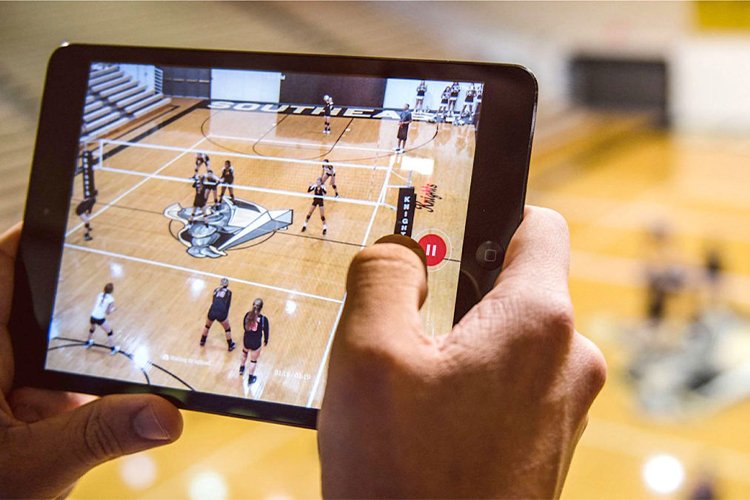
In addition, performance analytics platforms like Catapult Sports and Hudl are revolutionizing sports coaching by offering advanced metrics on individual player and team performance. Coaches can use this data to analyze strengths and weaknesses, track progress, and adjust training methods to maximize performance and minimize injury risk. The rise of AI and analytics is making sports more strategic, data-driven, and effective as coaching moves beyond intuition into the realm of precise analytics.
Augmented Reality (AR) and Virtual Reality (VR): Immersive Training and Fan Engagement
Virtual Reality (VR) and Augmented Reality (AR) are rapidly changing the world of sports by providing immersive training experiences for athletes and interactive experiences for fans. VR technology allows athletes to simulate game scenarios and practice their skills in a controlled environment. For example, quarterbacks in football can use VR to simulate different defensive formations and game situations, practicing their decision-making without risking injury or fatigue. Similarly, basketball players can use VR to work on their shooting technique by virtually shooting baskets from different positions on the court.
These technologies are also transforming the fan experience, with AR and VR allowing fans to engage with their favorite sport in ways that were previously unimaginable. Fans can now experience live events from the comfort of their own home in 360-degree VR, immersing them in an immersive experience that makes them feel like they are right on the sidelines. Augmented reality apps allow fans to interact with match statistics, team lineups and player data in real time, bringing the sports experience into the digital age.

Smart Stadiums: Improving the Fan Experience
In addition to player-focused technology, innovations are also improving the fan experience in sports stadiums and arenas. Smart stadiums are equipped with advanced technologies that improve fan engagement, convenience and safety. For example, many stadiums now offer contactless payments, mobile ticketing and seat-side food and beverage ordering, making the experience more seamless and enjoyable. In addition, high-tech video displays, interactive kiosks and advanced sound systems allow fans to enjoy the event in the best possible way.
Smart stadiums also use data analytics to optimize crowd management, increase security and improve the overall venue experience. With modern sensors and Wi-Fi networks, stadiums can monitor crowd density, track movement patterns and even detect potential safety risks in real time to ensure fans are safe and comfortable throughout the event.
Conclusion: A New Era in Sports
As technology continues to evolve, it is clear that the sports industry is undergoing a transformation. From wearables and smart equipment to data-driven coaching tools and immersive fan experiences, sports technology is changing the way athletes perform, coaches strategize and fans interact with the game. These innovations not only improve performance but also make sports more accessible, exciting and fun for everyone involved.
Looking ahead, the future of sports technology seems limitless. With new breakthroughs, athletes will have access to even more sophisticated tools to optimize their training, recover faster and compete at the highest level. Fans will be able to connect with their loved ones in a more immersive and interactive way. bling sports, building a stronger connection to the games they love. The innovations shaping the world of sports today are just the beginning of an exciting new era for the industry.
Ultimately, sports technology is here to stay, and its influence will only grow stronger as advancements continue to redefine the game in the years to come.