


A friend of mine spent $420 on a North Face summit jacket last winter. He wore it to walk the dog. Made oatmeal. Occasionally went on weekend hikes. The jacket performed exactly as advertised in all of these situations.
He could have spent $175 on a Columbia and had the same morning. Warmer morning, even.
That’s not a knock on The North Face. The jacket he bought is genuinely excellent gear. It’s just excellent gear designed for a person who climbs mountains — which he does not do. And that gap between what you’re buying and what you actually do is the whole Columbia vs North Face question in one story.
Here’s the honest version.
Two Different Brands Competing for the Same Shelf Space
Columbia was founded in Portland, Oregon in 1938 by German immigrants who started with hats. Grew into outdoor clothing. Built their whole identity around making gear that ordinary people could actually afford. They’re not chasing the cutting edge. They’re engineering value — figuring out how much performance they can deliver at a price that doesn’t require a serious financial commitment.
The North Face was founded in San Francisco in 1966. Named after the coldest, most exposed side of a mountain — the challenging one. That choice tells you something about the brand’s original intent. They built their reputation making gear for serious expeditions and extreme conditions. They still invest significantly in technical innovation. They also became a major streetwear brand in the early 2000s, which complicated things aesthetically but didn’t undermine the technical credibility.
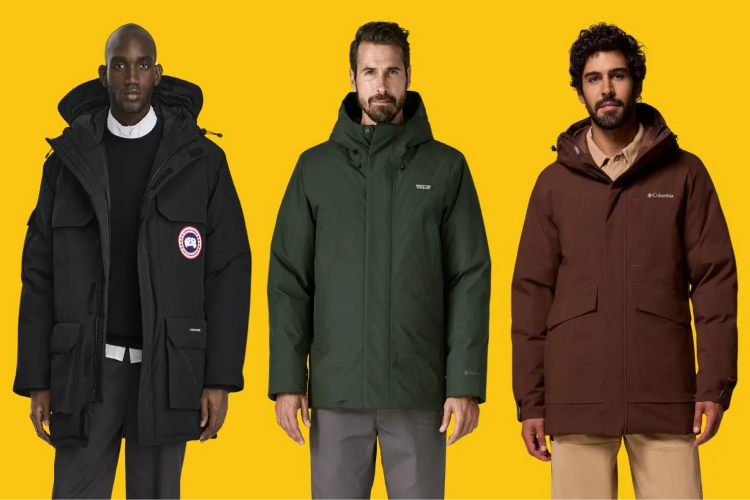
One analysis from FashionBeans put it simply: one brand is engineered for maximum value and accessible performance. The other trades on heritage credibility and charges a premium that’s sometimes justified and sometimes pure branding.
Both are now large publicly traded companies. Both make everything from entry-level to premium gear. The difference is where they put their engineering focus and who they’re primarily designing for.
What's Inside the Jacket — The Technology
This is where the price gap between the two brands is either justified or isn’t.
Columbia’s Omni-Heat Reflective is genuinely clever. The interior lining has tiny reflective dots that bounce your body heat back toward you instead of letting it escape through the fabric. It sounds like marketing until you wear one alongside a comparable jacket without it. The warmth difference is real. The weight penalty is essentially nothing. And critically — this technology is available across a huge chunk of Columbia’s product range at prices that don’t hurt.
Columbia’s Omni-Tech is their waterproofing membrane. Seam-sealed, waterproof, breathable. It handles normal outdoor conditions — rain, snow, hiking in variable weather — reliably and well. It’s not Gore-Tex. For most people’s actual hiking conditions, it doesn’t need to be.
One independent analysis quantified this directly: a Columbia jacket with Omni-Heat and Omni-Tech at $150 delivers roughly 75-80% of the performance of a $400 North Face jacket with Gore-Tex and premium insulation. For weekend hikers, ski resort days, and everyday winter wear — that trade-off makes complete sense for most buyers.
The North Face’s Gore-Tex is on their premium line and it’s the industry standard for a reason. Thinner, more breathable, more durable than most proprietary alternatives under sustained hard use. If you’re doing multi-day backcountry trips or serious alpine work in genuinely difficult wet conditions, the performance difference over Omni-Tech is real and matters.
Futurelight is TNF’s own nanospun waterproof-breathable technology. Lighter than Gore-Tex, genuinely impressive in extreme conditions. Also expensive to produce, which is why it shows up only on higher-end pieces. For most buyers this is academic — but it shows you where TNF’s engineering investment goes.
ThermoBall insulation is TNF’s synthetic alternative to down — synthetic fill clusters that mimic down’s loft behavior and retain insulating properties when wet. The ThermoBall Eco Jacket has been one of the brand’s best-sellers for years and consistently earns strong reviews from real users.
Price — The Actual Numbers
Columbia jackets start around $80 for basic fleeces and shells. Mid-range waterproof insulated jackets run $150–$250. Premium pieces go $400–$500.
The North Face starts around $110 for basics. Mid-range technical jackets run $200–$350. Premium Gore-Tex and Futurelight jackets go $400–$700 and beyond.
Columbia also discounts more aggressively. End-of-season clearance regularly brings Columbia pieces down 40–50%. The North Face typically discounts 20–30%. Over time, shopping Columbia during sales means the gap between the two brands widens further in Columbia’s favor.
Category by Category
Jackets
Columbia wins on value. For everyone using a jacket in normal outdoor life — weekend hiking, skiing at a resort, cold commutes, camping in reasonable conditions — the Omni-Heat technology delivers real warmth at a price that most people don’t agonize over. A $150 Columbia insulated waterproof jacket is genuinely good outdoor gear.
The North Face wins when conditions get serious. Multi-day backcountry trips. Sustained exposure to heavy weather. Mountaineering. The construction precision on TNF’s technical line is higher — better materials, more durable fabric, hardware that holds up over years of hard use in difficult conditions. The premium is justified for the people those jackets were built for.
For the majority of people reading this: Columbia. The honest question to ask yourself is whether you’ve ever actually been in a situation where a $150 jacket failed you and a $400 one would have saved the day. For most people, the answer is no.
Hiking Footwear
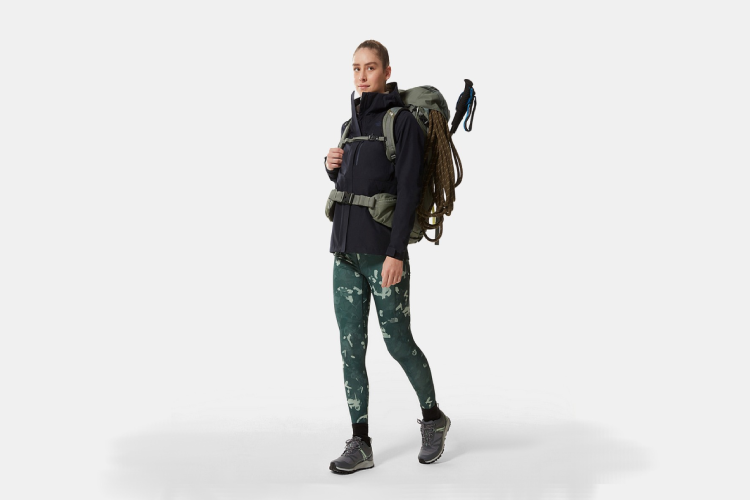
Columbia punches above its price here. The Redmond range specifically gets consistent praise — waterproof, good grip, reasonable durability, and priced $30–$50 below comparable TNF footwear. For standard day hiking and trail walking, Columbia’s boots offer strong value.
The North Face pulls ahead on technical footwear. The Vectiv line — carbon fiber plate, trail-running inspired design — is genuinely innovative for fast-packing and technical trail work. If you’re doing demanding terrain regularly, the TNF edge in footwear is real. For normal hiking, Columbia is the smarter spend.
Fleece
The North Face Denali fleece is a category icon. It’s been one of the most popular outdoor fleeces for decades and the quality is consistently strong. It’s also noticeably more expensive than Columbia’s fleece options.
Columbia’s fleece is well-made, priced accessibly, and performs well for casual and moderate use. The honest verdict: TNF fleece is better. Whether it’s worth the premium depends on how hard you wear fleece and how long you keep things.
Base Layers
The North Face manages moisture better during high-output activities. Their base layers handle sustained aerobic effort more effectively. Columbia’s base layers are adequate for casual outdoor use but less impressive when you’re actually working hard. If technical performance matters here — hiking fast, skiing hard — TNF has the edge.
Style and Everyday Wear
The North Face carries cultural weight that Columbia doesn’t. On college campuses, in cities, in streetwear contexts — the TNF logo has maintained a recognizable status that Columbia has never matched. If that matters to you, it’s worth acknowledging honestly. Social signaling is a legitimate factor in clothing purchases and there’s no point pretending otherwise.
Columbia actually has more casual styles. More pieces that pair naturally with jeans and everyday outfits without announcing that you’re about to hike a mountain. For buyers who want outdoor warmth in something that works across everyday contexts, Columbia’s catalog is broader and more flexible.
Durability
The North Face wins here. The construction on TNF’s technical gear — stitching, fabrics, hardware — is higher quality and holds up better under sustained hard use over years. For gear you plan to push in serious outdoor conditions and keep for a decade, the price difference between the two brands compresses significantly when you calculate cost per year of use.
Columbia’s durability is solid at its price point. Under moderate use in normal conditions, Columbia gear lasts well. Under sustained heavy use in extreme conditions, it shows wear sooner than comparable TNF equivalents.
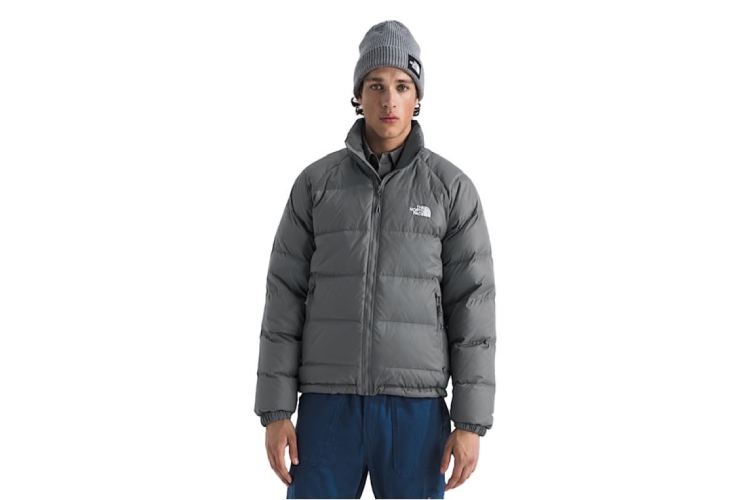
The practical question is honest self-assessment. How hard do you actually use this gear? If the honest answer is occasional and moderate — Columbia lasts long enough that the durability gap doesn’t matter in practice. If you’re genuinely hard on outdoor gear in difficult conditions regularly — the TNF durability is worth paying for.
The Warranty Difference
Columbia offers a limited lifetime warranty on defects. Their claims process is generally described as manageable and the gear is described by regular users as rarely needing warranty claims at all.
The North Face also offers a limited lifetime warranty. Their warranty process has a stronger reputation in the outdoor community — TNF has been known to offer free repairs on older pieces showing legitimate manufacturing failures without asking too many questions. If long-term brand support matters to you, TNF’s track record is slightly stronger.
Both cover defects, not wear and tear. Neither replaces gear you simply wore out through normal use.
Head to Head
Category | Columbia | The North Face |
Jacket value under $250 | ✅ Wins clearly | Good but pricier |
Technical jacket performance | Solid for moderate use | ✅ Wins for serious conditions |
Hiking boot value | ✅ Strong | More expensive |
Technical footwear | Good | ✅ Stronger (Vectiv) |
Fleece quality | Good, well-priced | ✅ Better construction |
Base layers (active use) | Adequate | ✅ Better moisture management |
Casual everyday styles | ✅ More variety | More technical aesthetic |
Street credibility | Limited | ✅ Significantly stronger |
Durability under hard use | Good | ✅ Better |
Discount depth during sales | ✅ Deeper, more frequent | Shallower |
Overall value for most buyers | ✅ Stronger | Justified for technical use only |
The Honest Answer for Most People
Most people who are reading this comparison are not mountaineers. They hike on weekends occasionally. They ski a few times a year. They want a jacket that keeps them warm on cold days and handles rain without soaking through. They want gear for a real life that involves outdoor activities but not expeditions.
For that person: Columbia. The value genuinely is better. The Omni-Heat technology delivers real warmth at real savings. Omni-Tech handles normal outdoor conditions reliably. The gear is well-made for moderate use and the price leaves room in the budget for other things.
The person who should buy The North Face already knows who they are. They push gear in difficult conditions. They spend serious time outdoors in serious weather. They’ve been in situations where gear performance actually had consequences. For that person, the TNF premium is earned and the quality difference in extreme conditions is real.
The mistake most people make is buying for the person they imagine themselves to be rather than the person they actually are. The friend with the $420 jacket isn’t that person. Most of us aren’t.
Buy for your real outdoor life. For most people that means Columbia.