

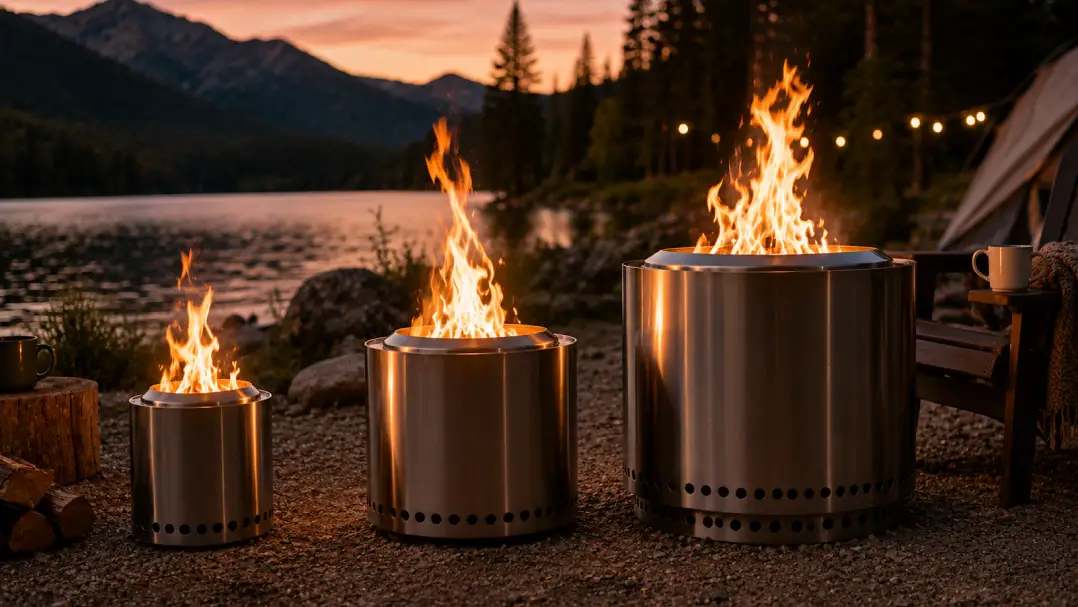
Solo Stove’s smokeless technology is the easy part of any review — it genuinely works, confirmed across nearly every independent source consulted. The harder, more useful question is which specific model fits your actual backyard and use case, and a meaningful minority of buyers discover after purchase that they wanted a fundamentally different kind of fire pit entirely.
Quick Highlights
- ✅ Bonfire 19.5″ Fire Pit holds a 4.9-star rating from 39,632 reviews — one of the highest-volume, most-consistent ratings across this entire brand review series
- ✅ Smokeless airflow technology genuinely confirmed by multiple independent testers — “an 80-90% reduction in smoke” per one detailed account, with most remaining smoke occurring only in the first 10 minutes of lighting
- ✅ The 2.0 generation’s ash-tray removal system is a genuine, confirmed improvement over the original tilt-to-dump design — described by multiple sources as turning a 15-minute cleanup into a 5-minute one
- ✅ Portability is real and confirmed — a 23.3 lb Bonfire 2.0 moves easily between deck, yard, and vehicle, unlike poured concrete or heavy carbon-steel alternatives
- ✅ Extensive accessory ecosystem (Lid, Shield, Stand, Pi Fire Pizza Oven, cast iron Wok Top) genuinely extends the core fire pit’s functionality
- ❌ A specific, detailed Home Depot review documents the perforated fire grate “completely burned through in several areas” and warped within 10 months of use, with visible rust/red residue on the inner metal
- ❌ Stainless steel will develop a “golden-blue patina” over time per the brand’s own published care guidance — a cosmetic change some buyers may not expect or want
- ❌ Burns wood faster than a traditional open fire due to the efficient airflow design — multiple reviewers confirm needing more firewood to sustain an evening than expected
- ❌ Heat radiates primarily upward rather than outward per at least one detailed reviewer, meaning less ambient warmth at a typical seating distance than an open fire pit design
- ❌ At full retail, Breeo’s comparable carbon-steel pits offer greater heat retention and a more rust-resistant long-term build, at a higher price — a real tradeoff buyers should understand before choosing Solo Stove specifically for warmth-focused use
Best for: Buyers specifically wanting a portable, photogenic, genuinely smokeless wood fire for a small-to-medium patio or campsite — not buyers whose primary goal is maximum radiant heat output, multi-decade durability in wet climates, or fire-on-demand convenience without sourcing wood.
Why Trust This Review
Cross-referenced from HGTV’s structured Bonfire 2.0 testing process, Taste of Home’s Bonfire review (over a year of use), The Everymom’s two-year ownership account, Garden Frontier’s detailed Bonfire vs Yukon vs Ranger size-selection guide, Fire Pit Surplus’s comparative competitive analysis, and Home Depot’s verified buyer reviews, alongside the brand’s own current published pricing and specifications. No commercial relationship with Solo Stove.
Table of Contents
- About Solo Stove
- Solo Stove Review: Full Breakdown
- Best Solo Stove Products Worth Buying
- What Customers Actually Think
- Is Solo Stove Worth It?
- Solo Stove vs Breeo
- Where to Buy
- FAQs
- Final Verdict
About Solo Stove
Solo Stove makes a line of smokeless wood-burning fire pits built around proprietary 360° airflow technology — a system of air vents that super-heats incoming air to burn off smoke before it escapes the pit, rather than the conventional open-flame design that produces the dense smoke most backyard fires generate. The current lineup spans five primary sizes: the tabletop Mesa and Mesa XL, the portable Ranger 15″, the flagship Bonfire 19.5″, the larger Basecamp 24″, the entertaining-focused Yukon 27″, and the largest Canyon 30″ — each targeting a different seating capacity and use case.
The 2.0 generation, the brand’s current standard across most sizes, introduced a removable base plate and ash pan specifically addressing the most common complaint about the original design: needing to tip the entire unit upside down to clean out ash and embers.
Solo Stove Review: Full Breakdown
The Smokeless Technology — Genuinely Confirmed Across Nearly Every Source
This is the least disputed claim in the entire review, and the evidence is specific and consistent. HGTV’s structured testing process confirms “the fire pit burns super efficiently and emits almost no smoke,” with the honest, specific caveat that “the flame did give off smoke for the first 10 minutes or so after lighting the fire” before settling down — a precise, useful detail that manages expectations more accurately than the pure marketing claim of “smokeless.”
One detailed long-term owner provides the most specific quantified assessment available: “I wouldn’t call the fire pit ‘smokeless’… it is probably a 80-90% reduction in smoke. You definitely won’t have to keep moving your seat around the fire.” That specific percentage estimate, from someone who’s used the product extensively rather than just for a single test session, is more useful than either the brand’s pure marketing language or a vague “it works great” review.
Choosing the Right Size — The Question That Matters More Than Brand Reputation
Garden Frontier’s detailed size-selection guide provides genuinely practical, non-hype-driven guidance worth incorporating directly: “I would not choose by hype. I would choose by where the fire pit will actually live… A small patio, a wood deck, an RV setup, a big backyard and a permanent seating area all push you toward different Solo Stove models.” Their specific seating-circle framework: two chairs on a small patio → Ranger; four to six people in a normal backyard → Bonfire; a large open seating area where the fire pit becomes the centerpiece → Yukon.
Current published pricing confirms the Bonfire 19.5″ + Stand bundle at $254.99 (reduced from $299.99), the Yukon 27″ + Stand bundle at $424.99 (reduced from $499.99), and the Ranger 15″ + Stand bundle starting around $229.99 — useful, current reference points for budgeting your specific size decision.
The Documented Durability Failure — A Specific, Serious Case Worth Direct Attention
This deserves careful, honest treatment because it’s a specific, detailed, dated account rather than vague dissatisfaction. One Home Depot verified buyer review describes purchasing based on the brand’s design reputation despite reservations about the price, only to find “after less than one year (about 10 months) the perforated fire grate is completely burned through in several areas and so badly warped that it’s collapsing downwards,” with “the inner metal also shedding a red residue (rust?).” His specific, pointed conclusion: “I could’ve had the same results with an old washer drum for a fraction of the cost. It’s a neat toy, but not a real fire pit.”
This stands in genuine tension with the broader, much larger body of positive long-term ownership evidence (including specifically a two-year-owner account confirming “ours hasn’t rusted in two years”). The honest synthesis: this appears to be a documented, real failure mode for at least some units or use patterns (potentially related to fire intensity, frequency of use, or specific environmental conditions), rather than either a universal flaw or an isolated fabrication — a useful reminder that even well-reviewed products have a documented minority failure rate worth knowing about.
Heat Output and Fuel Efficiency — The Honest Tradeoff for Smokeless Performance
This is the most important practical consideration for buyers whose primary goal is staying warm rather than aesthetic ambiance. One Thingtesting reviewer’s specific, balanced assessment: “Excellent stoves. They burn well, hot, and are easy to clean and use… Only downside is that it burns so well that you go through a lot of wood,” with a separate technical note that “because of the design, the stove doesn’t radiate much heat outward, mostly upward.” Fire Pit Surplus’s comparative analysis confirms this directly: buyers whose actual goal was “radiant heat” and multi-decade durability are better served by a heavy carbon-steel pit like Breeo or Ohio Flame, which retain more heat and develop a protective patina rather than the documented rust risk on some Solo Stove units.
Best Solo Stove Products Worth Buying
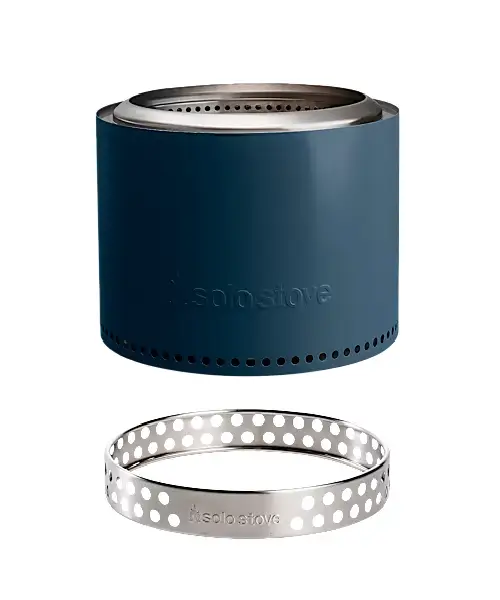
Best for: The default, most broadly applicable choice for most backyards — seats 4-6 people and balances portability with genuine seating-circle capacity.
Top Features:
- 4.9-star rating from 39,632 reviews — among the highest review volume and consistency in this entire brand series
- 2.0 generation removable ash pan, eliminating the tilt-to-dump cleanup of earlier models
- Includes a Stand that elevates the pit off heat-sensitive surfaces (decks, grass)
One Honest Drawback: At least one documented case shows the fire grate burning through and warping within 10 months — inspect your unit periodically and avoid consistently overloading it with fuel beyond the recommended 3-4 logs.
Verdict: The right default choice for most buyers, backed by the highest review volume of any product in this entire series. The documented failure case is real but appears to represent a minority outcome relative to the overwhelming positive evidence.
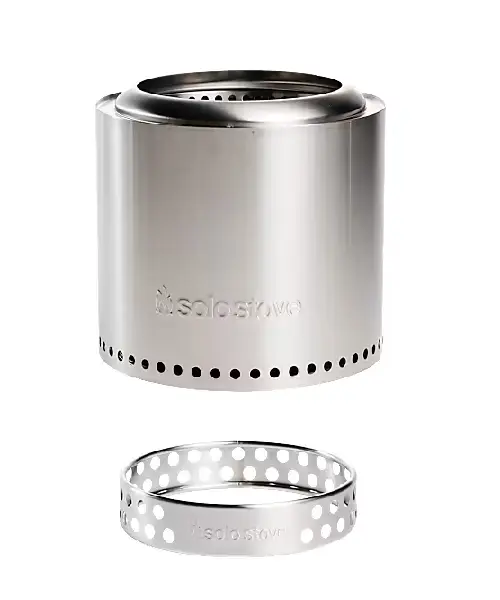
Best for: Camping, tailgating, and small patios where true portability matters more than seating capacity — Garden Frontier’s specific recommendation for 2-chair setups.
Top Features:
- The brand’s most portable size, specifically engineered for car-camping and tailgate transport
- Same 2.0 ash-removal and smokeless airflow technology as the larger models
- 4.9-star rating from 4,903 reviews
One Honest Drawback: Requires the smallest log size of the lineup (2-3 logs recommended) — off-the-shelf full-length firewood may need cutting down to fit comfortably.
Verdict: The right size specifically for buyers whose primary use case is travel and small-group settings rather than backyard entertaining.
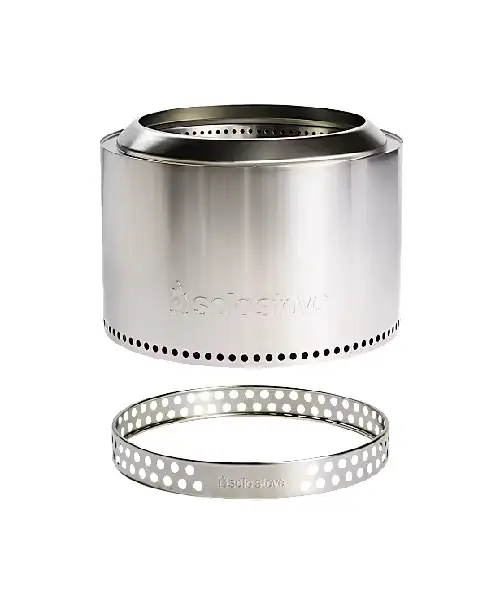
Best for: Buyers wanting a genuine backyard centerpiece for larger gatherings — seats 6-8 people.
Top Features:
- The largest size most buyers should consider before stepping up to the Canyon — a 4.9-star rating from 4,766 reviews
- Larger fuel capacity (4-5 logs recommended) sustains longer burn sessions for extended entertaining
One Honest Drawback: At least one experienced multi-year Solo Stove owner specifically recommends against the Yukon as a first purchase, advising buyers start smaller (Arc or Ranger equivalent) and “work your way up” before committing to this size and price point.
Verdict: A strong choice specifically for buyers who already know they want a backyard-centerpiece-scale fire pit, rather than a default first purchase.
What Customers Actually Think
Real accounts paraphrased:
- “I wouldn’t call the fire pit ‘smokeless,’ your clothes will definitely still smell like you were at a fire, but it is probably an 80-90% reduction in smoke. You definitely won’t have to keep moving your seat around the fire.”
- “After less than one year (about 10 months) the perforated fire grate is completely burned through in several areas and so badly warped that it’s collapsing downwards. I could’ve had the same results with an old washer drum for a fraction of the cost.”
- “Expensive but in my opinion worth it. I used to have to buy a new cheap fire pit every year because they would all eventually break down. My Solo Stove has endured it all and still looks new!”
- “Excellent stoves. They burn well, hot, and are easy to clean and use. They come in a variety of sizes too. Only downside is that it burns so well that you go through a lot of wood.”
- “So how satisfied would I say I’ve been with my two years of Solo Stove? Very! It’s truly helped facilitate many family memories. And the stainless steel hasn’t rusted in two years.”
- “I’d start with a smaller model, like the Arc or the Tread, and work your way up. It can be very frustrating when you mess up in the beginning, so you don’t want to spend a lot before you’re certain this hobby is for you.” (note: referencing pizza-oven equivalent sizing logic applied to fire pit selection)
Is Solo Stove Worth It?
For most backyard use cases prioritizing portability, genuine smoke reduction, and aesthetic design: yes — the Bonfire specifically earns its position as the default recommendation, backed by an exceptionally large and consistent positive review base.
For buyers whose primary goal is maximum radiant heat output or multi-decade durability regardless of climate: consider Breeo or Ohio Flame instead, which prioritize heat retention and rust resistance over the smokeless airflow design that defines Solo Stove’s core value proposition.
For any specific unit: inspect the fire grate periodically for warping or burn-through, particularly with frequent or intense use, given the documented (if apparently minority) failure case.
Solo Stove vs Breeo
Solo Stove Bonfire | Breeo X Series | |
Smokeless performance | ✅ Confirmed, 80-90% reduction | ✅ Similarly strong |
Portability | ✅ 23.3 lbs, genuinely portable | Heavier, less portable |
Heat retention/radiant warmth | Moderate (heat goes upward) | ✅ Stronger |
Build material | Stainless steel (documented rust risk in some cases) | ✅ Carbon steel, develops protective patina |
Price | ✅ Lower (~$255-300 bundled) | Higher |
Best for | Portability, design, smokeless priority | Maximum heat, multi-decade durability |
Where to Buy
solostove.com — full catalog with free shipping on orders over $199 and a lifetime warranty. Also available through Public Lands and other major outdoor retailers for in-person comparison.
FAQs
Is the Solo Stove fire pit actually smokeless?
Genuinely close, but not 100% — most independent testing confirms smoke during the first 10 minutes of lighting, settling to roughly an 80-90% reduction once the fire is established.
Which Solo Stove size should I buy?
Match it to your actual seating circle: Ranger for 2 people/portability, Bonfire for 4-6 people (the most popular, broadly applicable choice), Yukon for 6-8 people and backyard-centerpiece use, Canyon for 8+.
Has Solo Stove had documented durability issues?
Yes — at least one specific, detailed case documents a fire grate burning through and warping within 10 months, alongside a much larger body of positive multi-year ownership evidence.
Does Solo Stove provide good radiant warmth?
Less than a traditional open fire — the efficient airflow design directs heat primarily upward rather than outward, a real tradeoff for the smokeless performance.
Final Verdict
Solo Stove’s smokeless technology genuinely works, confirmed with remarkable consistency across nearly every independent source available — the Bonfire 19.5″ specifically earns its position as one of the most reviewed and most consistently praised products in this entire series. The 2.0 generation’s ash-removal improvement is a real, confirmed upgrade.
The documented fire grate failure case and the genuine heat-output tradeoff (smokeless performance comes at the cost of radiant warmth and fuel efficiency) are real considerations worth weighing honestly. Choose your size based on actual seating needs rather than aspiration, and understand that maximum warmth and multi-decade durability are better served by a heavier carbon-steel alternative if those specifically are your priority.
Overall Rating: 8.5 / 10
Category | Score |
Smokeless Performance | 9.5 / 10 |
Portability | 9 / 10 |
Build Quality (majority experience) | 8 / 10 |
Build Quality Consistency | 7 / 10 |
Heat Output/Radiant Warmth | 6.5 / 10 |
Accessory Ecosystem | 9 / 10 |
Value for Money | 8.5 / 10 |
Overall | 8.5 / 10 |