
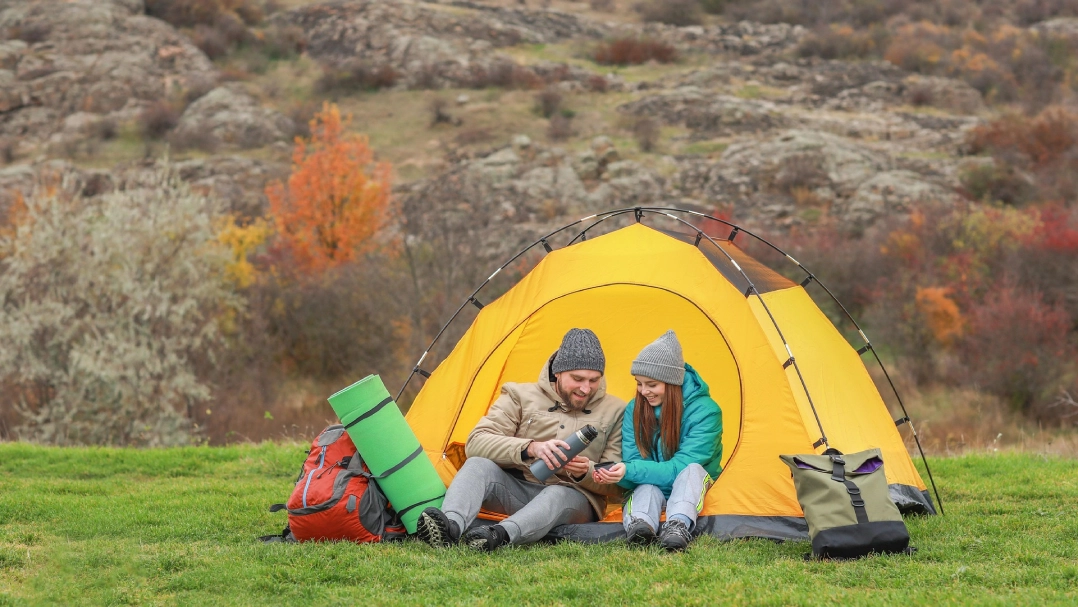
My first camping trip genuinely humbled me. Not in a poetic, “I found myself in nature” kind of way. More like — I was lying on frozen ground at 11 PM, my $30 sleeping bag doing absolutely nothing, listening to rain tap on a tent that was slowly losing its battle against physics. I had overpacked things I didn’t need and underpacked things I desperately did.
The gear list I followed online looked great. Organized. Thorough. It also assumed I had $1,200 to spend and zero rent to pay. This guide is what I’d tell my past self before that trip. No fluff, no brand sponsorships, no pretending a $400 sleeping bag is “entry level.”
Step One — Know What Kind of Camping You're Actually Doing
Before you buy a single thing, answer this: are you car camping or backpacking? Car camping means you drive to a designated campsite, park your car right there, and basically set up a little outdoor bedroom next to it. You can bring a cooler, a folding chair, a cast iron pan if you want. Weight doesn’t matter. Comfort does.
Backpacking means you’re carrying literally everything you need on your back, often for miles, before you even reach your campsite. Weight becomes everything. These two styles need almost completely different gear. Most first-timers start with car camping. That’s the right call.
Backpacking means you’re carrying literally everything you need on your back, often for miles, before you even reach your campsite. Weight becomes everything. These two styles need almost completely different gear. Most first-timers start with car camping. That’s the right call.
The Big Four — Tent, Sleeping Bag, Sleeping Pad, Backpack

The first question isn’t “which tent?” — it’s “how many people and what season?” For solo or couple camping, a 2-person tent is your best bet. For 2026, three-season tents are the sweet spot for most beginners. Look for freestanding design, double-wall construction, packed weight under 5 lbs for backpacking, and vestibule space for wet gear.
Budget range: $80–$200 for a solid beginner tent. Avoid anything suspiciously cheap — a leaky tent at 2 AM during a rainstorm will end your camping hobby faster than anything else.

The most common beginner mistake? Buying a sleeping bag based on price without checking the temperature rating. Temperature ratings are survival ratings, not comfort ratings. Buy a bag rated 10–15°F lower than the coldest temperature you expect. Down fill is lighter and compresses smaller but loses warmth when wet. Synthetic stays warm even damp and costs less. Budget: $60–$180 for a quality three-season bag.
The most common beginner mistake? Buying a sleeping bag based on price without checking the temperature rating. Temperature ratings are survival ratings, not comfort ratings. Buy a bag rated 10–15°F lower than the coldest temperature you expect. Down fill is lighter and compresses smaller but loses warmth when wet. Synthetic stays warm even damp and costs less. Budget: $60–$180 for a quality three-season bag.
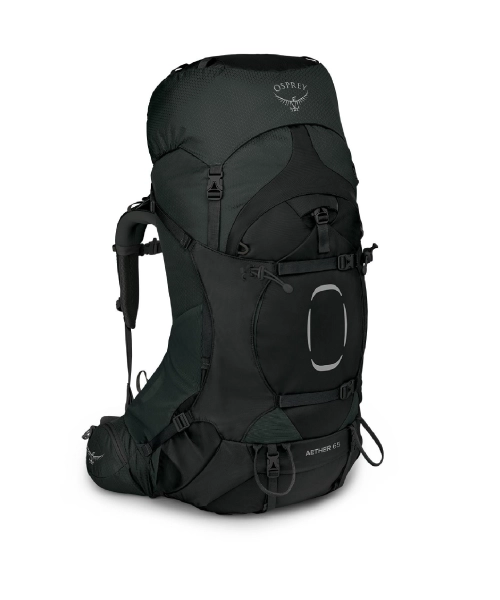
If you’re car camping, skip the technical backpack and just use a duffel bag. If you’re backpacking, pack volume matters: 20–35 liters for day hikes, 40–55 liters for weekend trips, 60–75 liters for multi-day expeditions. Fit is everything — get measured at a proper outdoor store if possible.
Budget Breakdown for a Complete Beginner Setup
Gear Item | Entry Budget | Mid Range |
Tent (2-person) | $80 – $120 | $160 – $250 |
Sleeping bag (3-sea Budget Breakdown for a Complete Beginner Setup son) | $65 – $90 | $120 – $180 |
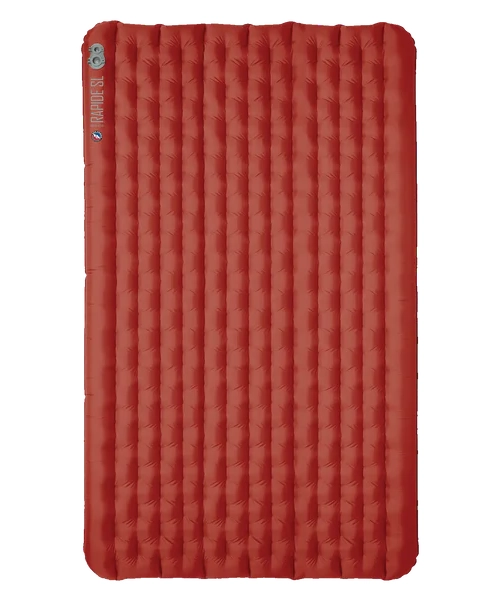
Sleeping pad | $20 – $35 | $60 – $100 |
Headlamp | $18 – $30 | $35 – $55 |
Camp stove + fuel | $20 – $40 | $45 – $80 |
Basic cookset | $15 – $25 | $35 – $60 |
TOTAL | $218 – $340 | $455 – $725 |
What to Skip on Your First Trip
- Trekking poles — unnecessary for flat campground trails
- Water filter — overkill for established campgrounds with potable water
- Satellite communicator — not needed for state park campgrounds
- Hammock — not a bed replacement in cold weather
A solid beginner setup for under $350 is completely achievable. Spend the most on your tent and sleeping bag — those two items determine whether you sleep or suffer. The best camping gear is the gear that gets used.