


I’ve been shopping both for years. And I’ve made mistakes with both — the Zara blazer that was a size 12 and fit like a size 10, the ASOS dress that looked nothing like the model photo because the model was five inches taller than me and apparently made of different material.
The ASOS vs Zara question comes up constantly because they look like they’re competing for the same person. Budget-aware, fashion-conscious, doesn’t want to spend H&M money or designer money, somewhere in between. But they’re actually doing completely different things. Once you understand that, the whole comparison gets less confusing.
Before Anything Else — They're Not the Same Kind of Shop
This matters before any category comparison.
Zara is a single brand.
Every piece is designed in-house by Zara’s own team and produced through Inditex’s supply chain. You get one aesthetic, one quality standard, one vision. Coherent, controlled, predictable.
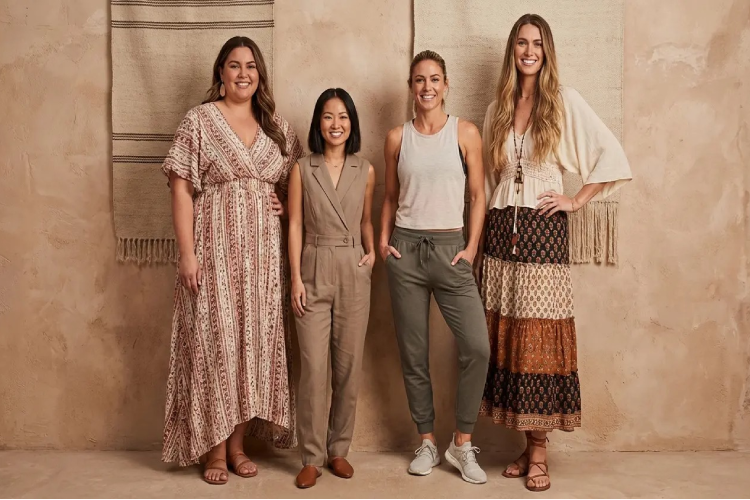
ASOS is a marketplace.
It sells its own ASOS Design label but also hosts over 900 other brands — Nike, AllSaints, Topshop, River Island, and hundreds more. When you buy from ASOS you might be buying ASOS’s own clothes or something from a completely separate label that happens to list there.
That distinction explains most of the disagreements people have about each brand. Comparing “ASOS quality” to “Zara quality” is a bit like comparing “Amazon quality” to “Zara quality.” One is a single product line. The other contains everything.
Price
ASOS wins on raw price for comparable trend pieces. Their own-label basics, casual dresses, and going-out pieces typically run 20–30% cheaper than Zara equivalents. For seasonal stuff you plan to wear a handful of times, that gap matters.
The complication for US shoppers specifically: ASOS ships from both US and UK warehouses. If your order comes from the US warehouse, fine. If it comes from the UK — which happens more than the site makes obvious — you’re looking at $20–$25 in international shipping fees that can eliminate the entire price advantage and then some. A $50 ASOS item shipping from the UK warehouse ends up at $75 before you’ve touched it. That same item from Zara with free standard shipping is $55.
Check where your order is shipping from before you check out. It’s the single most important thing US ASOS shoppers consistently forget to do.
Zara pricing is more predictable. No surprise warehouse-dependent shipping costs. What you see is mostly what you pay.
Quality — The Part Nobody Wants to Say Directly
Zara quality has genuinely improved over the past couple of years. The brand went through a period where the fast-fashion criticism was loud and earned. In 2025 and 2026, mid-range Zara pieces — knitwear, structured blazers, denim — feel meaningfully better than they did five years ago. Fabrics are less obviously synthetic at price points above $50. Construction is more reliable than the brand’s reputation sometimes suggests.
ASOS Design own-label sits at Zara level or slightly below. That’s the honest comparison when it’s apples-to-apples. But ASOS also sells AllSaints leather jackets, quality sportswear from Nike and Adidas, and genuinely better-made pieces from premium labels — all within the same checkout. The ceiling on quality within ASOS is much higher than Zara if you know where to look.

The floor is also lower. Some budget brands listed on ASOS produce items that feel exactly like what they cost — thin fabric, questionable stitching, disappointing in person. One Trustpilot reviewer described an ASOS vest as no different from Shein. That’s an outlier take but not a completely isolated one. The quality range is wide enough that treating all ASOS listings as equivalent is a mistake.
Practical tip: before buying anything from ASOS, look at the fabric composition. “100% polyester” at a low price tells you what you need to know. Cotton blends, linen, wool mixes — these are better indicators of what’s going to arrive than the product photography is.
Sizing — Where Both Frustrate People
Zara sizes run small. Not slightly — noticeably. The brand designs for a slim, tailored, European cut and the structured pieces emphasize form in a way that doesn’t translate generously to different body shapes. Independent sizing data consistently shows Zara running half to a full size smaller than UK and US high-street equivalents. One customer in a widely cited Chattermill analysis described needing to buy a size 42 trouser at Zara for a body that normally wears a 38 everywhere else. That’s a genuine two-size gap, not a rounding error.
The fix is simple but requires accepting it: size up at Zara. If you’re between sizes, go larger every time. For fitted or structured pieces specifically — blazers, tailored trousers, anything with minimal stretch — go up two sizes if you’re on the generous end of your normal size. Once you’ve calibrated your Zara size, the brand’s sizing becomes relatively predictable within its own world. Getting to that calibration is the frustrating part.
ASOS is more inclusive across the range — Petite, Tall, Curve, and Maternity lines are properly developed rather than tacked on, and they’re consistently sized within each category. The challenge is that ASOS sizing varies by brand. ASOS Design runs close to standard UK high street sizing. A smaller brand listing on the platform might size completely differently, and there’s no universal rule that tells you which way it’ll go.
Customer reviews on individual ASOS listings usually flag sizing issues directly — people say “runs large, size down” or “runs small, get your usual size up” in the first few reviews. Read those before buying anything unfamiliar. It takes two minutes and saves most of the returns.
Returns — A Clear Winner
In independent research analyzing over 152,000 customer responses, ASOS came out as the top-performing fashion retailer for customer experience. Zara came last. The primary reason cited: how Zara handles returns and refunds.
That finding tracks with what individual customers describe. Zara online return complaints are specific and documented — refunds not received despite items being returned, return shipping fees that appear and disappear, customer service reading from scripts rather than actually solving problems. One ConsumerAffairs reviewer who described spending $4,000–$9,000 a year at Zara said she’d been shorted on two online returns in six months with no resolution despite being a long-term loyal customer. That’s not a one-off.

Zara’s in-store return policy is actually excellent — take anything back to any Zara store within 30 days, no postage, no wait. If you live near a Zara, the return experience is fine. If you’re buying online and relying on postal returns: manage your expectations and keep every piece of documentation.
ASOS’s online returns are free within 28 days and consistently praised for being straightforward. Generate a label, drop it off. Refunds process without requiring you to follow up three times. For online-only shopping, this is one of the most important practical advantages ASOS has.
Shopping Experience
ASOS is online only and has been since it launched in 2000. Its entire infrastructure is built around digital shopping — and it shows. The website and app are genuinely well-designed. Multiple model videos, detailed customer photos, proper sizing filters, reviews that actually contain useful information. If you spend a lot of time shopping online and want everything in one place without managing ten different accounts and return processes, ASOS does that better than almost anyone.
Zara has both physical stores and online. The in-store experience is a genuine advantage that ASOS fundamentally can’t offer. Being able to hold a fabric, see how a colour looks in real light rather than a screen, try two sizes at once — these things eliminate the specific risk that comes with online fashion shopping. Zara stores are also well-designed spaces with proper lighting and visual merchandising that makes it easier to see how pieces work together.
For buyers who hate the uncertainty of online shopping, Zara’s physical presence is a meaningful advantage. For buyers who’d rather scroll at midnight in bed: ASOS.
Head-to-Head Table
Category | ASOS | Zara | Winner |
Price (comparable pieces) | Lower by 20–30% | Slightly higher | ASOS (from US warehouse) |
Own-label quality | Comparable to Zara | More consistent | Zara |
Premium brand access | ✅ 900+ brands | Only Zara | ASOS |
Sizing inclusivity | ✅ Petite, Tall, Curve, Maternity | Standard sizing only | ASOS |
Sizing accuracy | Varies by brand | Runs small consistently | Neither — both require homework |
Online returns | ✅ Free, smooth, praised | Postal returns problematic | ASOS |
In-store returns | Not applicable | ✅ Easy at any store | Zara |
Shopping app & UX | ✅ Online-optimized | Good but split focus | ASOS |
Design coherence | Varies by brand | ✅ Clear single aesthetic | Zara |
Trend speed | Fast | ✅ Two-week runway-to-retail | Zara |
Customer experience score | ✅ Top-rated in research | Lowest-rated in research | ASOS |
Style variety | ✅ Enormous | Limited to Zara aesthetic | ASOS |
Who Should Choose Which
ASOS is better if:
You shop primarily online and want everything in one place with free returns and no shipping surprises. You need Petite, Tall, Curve, or Maternity sizing that actually fits correctly. You want access to better brands — AllSaints, Nike, premium labels — within a single checkout rather than managing multiple retailers. You want the lowest price on trend pieces you’ll wear for one season. You’re in the US — just always check whether your basket is shipping from the UK warehouse first.
Zara is better if:
You have a store nearby and can try things on before committing. You want a coherent aesthetic where multiple pieces from the same season look deliberate together. You’ve spent five minutes figuring out your Zara size and now trust it across their categories. You care about fabric quality on mid-range pieces and have been disappointed by ASOS Design in the past. You want the fastest possible time from “I saw this on the runway” to “I’m wearing it.”
The Honest Summary
Neither brand is objectively better. That’s not a cop-out — it’s accurate.
Zara makes better own-label clothes with a clearer design point of view. If you want structured pieces, quality knitwear, and clothes that look like they came from a singular coherent wardrobe rather than a shopping spree — Zara delivers that. Just size up, buy in-store where possible, and don’t rely on their postal returns without being prepared for friction.
ASOS gives you something Zara genuinely can’t: 900 brands in one checkout, free smooth returns, inclusive sizing, and prices that reflect what trend pieces are actually worth for single-season wear. Used well — checking shipping origin, reading fabric specs, using customer reviews for sizing — it’s one of the most efficient fashion tools available.
Most people who care about clothes use both. Zara for investment-ish pieces where quality and cohesion matter. ASOS for the trend stuff, the basics, and the brands that Zara doesn’t carry and never will.
That’s the honest answer to where your fashion budget should go.