
I bought a pair of expensive designer sneakers once because they looked incredible.
Like genuinely beautiful.
They were on every fashion blog. Everyone was wearing them.
They cost like one hundred eighty euros.
I was convinced they were going to change how I dressed.
I wore them for four hours on day one and my feet hurt so bad I could barely walk.
The soles were rock hard. There was no arch support. The heel was rubbing wrong.
I spent the rest of the day in pain and bandages.
I never wore them again.
They sat in my closet looking beautiful and judging me for wasting money.
That’s when I realized something important: sneakers that don’t hurt your feet are way more valuable than sneakers that look good but cause pain.
Like genuinely.
A sneaker that you actually wear every day is infinitely better than a beautiful sneaker that sits in your closet.
So I started actually looking for sneakers that were comfortable first, looked good second.
And turns out those exist.
You just have to know what to look for.
What Actually Makes Sneakers Good For Daily Wear (Beyond Just Looking Good)
A good everyday sneaker needs actual arch support.
Not the fake kind where the insole just has a bump.
Real arch support where you can feel your foot being supported all day.
A good everyday sneaker has cushioning that doesn’t flatten out after a week.
Some sneakers have great cushioning for the first month then they’re completely flat.
That’s not good cushioning.
A good everyday sneaker has a flexible sole.
You should be able to bend the sneaker at the ball of your foot without it being super stiff.
A good everyday sneaker has a heel that doesn’t rub or slip.
Your heel should be secure but not tight.
A good everyday sneaker actually fits your feet.
Not aspirational sizing. Your actual feet.
A good everyday sneaker is made of material that breathes.
Not plastic or synthetic material that makes your feet sweat.
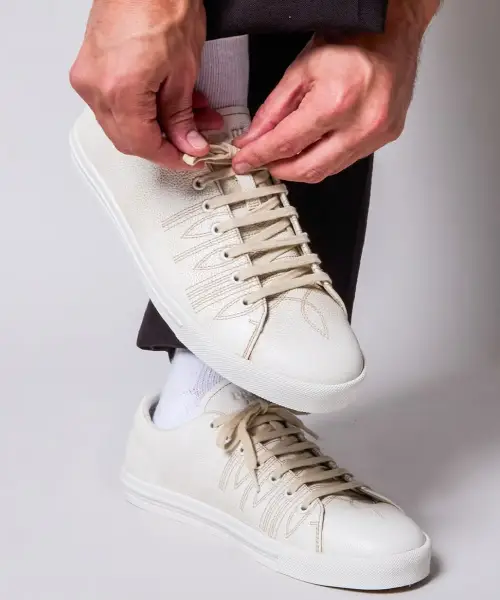
Okay so classic white leather sneakers are boring.
Everyone has them.
They’re not trendy or interesting.
But they work for literally every outfit.
Which makes them the best everyday sneaker if you’re looking for something versatile.
The key is finding a good quality version.
Not the cheap version that falls apart in three months.
Not the expensive designer version that costs one hundred eighty euros.
A decent mid-range white leather sneaker.
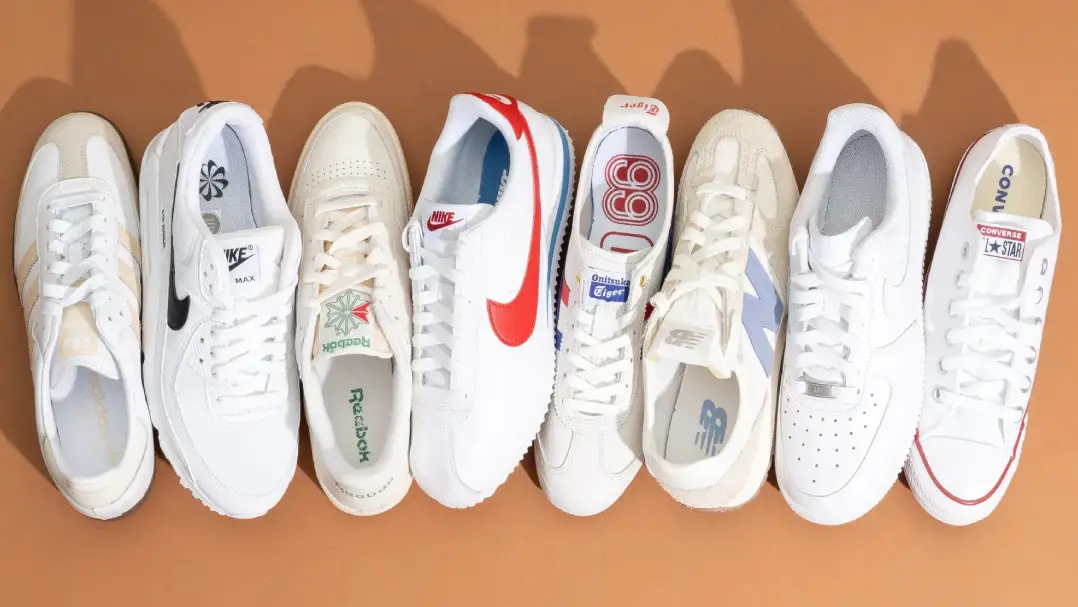
Like Adidas Stan Smiths, Nike Court Vintage, Veja V-10, Superga, Common Projects (if budget allows).
These all have decent arch support, good cushioning, and they actually last.
Pros:
- Works with literally any outfit
- Classic so it won’t look dated
- Usually comfortable after a break-in period
- Good quality versions last years
Cons:
- They get dirty easily
- They’re kind of boring
- You need to clean them constantly
- Everyone has the same pair
Price: €60-150 depending on brand. Veja is around €100. Common Projects is €180+.
My take: Get a good mid-range white sneaker. Not the cheapest, not the most expensive. Spend like €80-100 and you’ll have something that lasts years and works with everything.
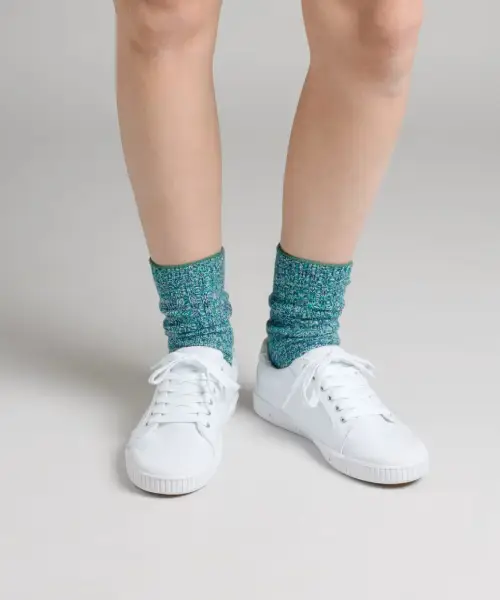
If you want a comfortable everyday sneaker without spending much, basic canvas sneakers work.
Like Converse, Vans, Superga Canvas versions.
They’re cheap, they’re available everywhere, and they actually work for everyday wear once you break them in.
The thing: they need a break-in period.
They’re not comfortable immediately.
But after a week of wearing them they mold to your feet and become comfortable.
Pros:
- Super cheap (€30-50)
- Available everywhere
- Work with casual outfits
- Easy to clean
Cons:
- Take time to break in
- No arch support
- Not great for walking long distances
- Can cause blisters initially
Price: €30-50.
My take: These are good if you want something cheap for casual outfits. But if you need all-day comfort, skip these.
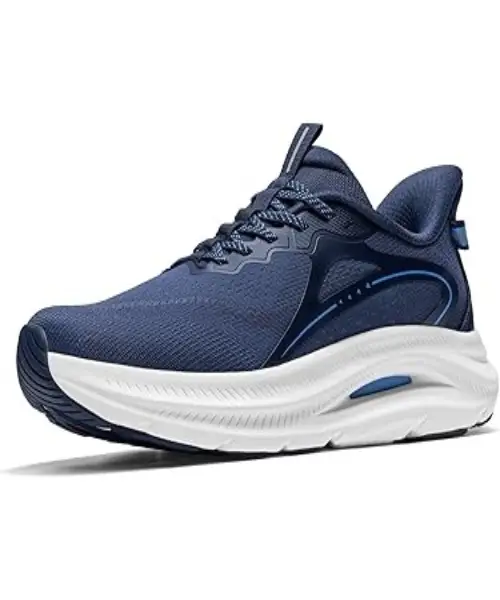
If you’re on your feet all day or you walk a lot, you need actual cushioning.
Not just any sneaker. Actual cushioning that supports your feet.
Running sneakers work for this because they’re designed for impact.
Like Nike Pegasus, Adidas Ultraboost, ASICS Gel-Kayano, New Balance 990.
These have actual arch support and cushioning.
You can wear them all day and your feet feel fine.
They’re not as aesthetically interesting as fashion sneakers, but they work.
Pros:
- Actual arch support and cushioning
- Comfortable all day
- Good for walking/standing
- Usually last a long time
Cons:
- Look more sporty than fashionable
- Bulkier than fashion sneakers
- More expensive (€100-180)
- Limited color options
Price: €100-180.
My take: If comfort is more important than fashion, get a running sneaker with good cushioning. Your feet will thank you.
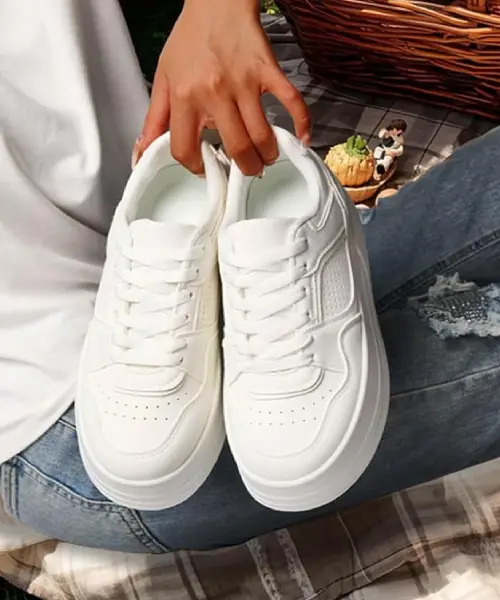
If you wear dresses and want to wear sneakers, you need something minimal.
Not chunky. Minimal.
Like leather minimalist sneakers or delicate canvas sneakers.
They balance the dressiness of a dress with the casualness of a sneaker.
Brands: Veja, Axel Arigato, ETQ Amsterdam, Nike Court Vintage.
Pros:
- Work with dresses and skirts
- Minimal aesthetic
- Feminine-looking
- Versatile
Cons:
- Less arch support than chunky sneakers
- Can be expensive (€80-150)
- Less cushioning
Price: €80-150.
My take: Get a minimal white or neutral leather sneaker if you want to wear sneakers with dresses. They balance the aesthetic.
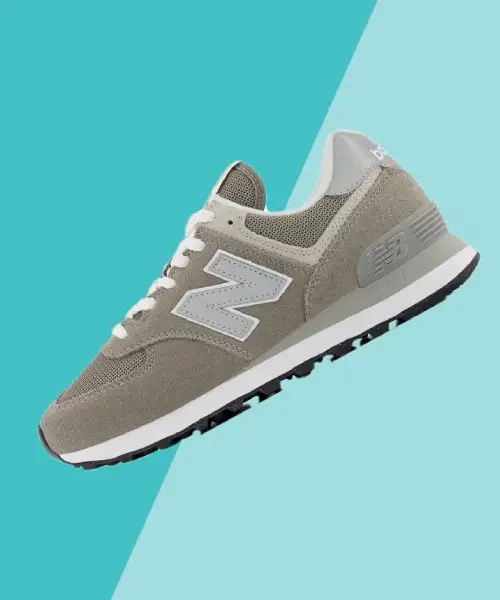
If you have wide feet, most sneakers don’t fit.
You need brands that actually make wide sizes.
Like New Balance, ASICS, Adidas, Nike (some styles).
Not Veja, not minimalist brands.
They don’t size wide usually.
Pros:
- Actually fit wide feet
- Good support
- Comfortable
- Available
Cons:
- Limited style options
- Bulkier than fashion sneakers
- Can be expensive
Price: €80-150.
My take: If you have wide feet, get a brand that actually sizes wide. Fashion over comfort is a bad trade.
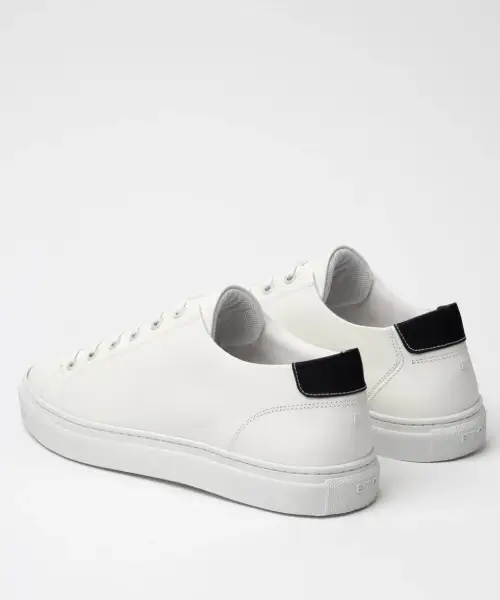
If you want something minimal and clean, leather minimalist sneakers work.
Like Veja V-10, ETQ, Axel Arigato.
They’re just white or neutral, minimal branding, clean lines.
They work with everything.
Pros:
- Minimal aesthetic
- Work with all outfits
- Look expensive
- Comfortable enough for daily wear
Cons:
- Expensive (€100-200)
- Less arch support
- Less cushioning
- Need to clean frequently
Price: €100-200.
My take: These are beautiful but pricey. Get one if you want investment sneaker. Otherwise, regular white sneakers work fine.
What To Check Before Buying Sneakers
Try them on if possible. Online sizing is inconsistent. Shoes fit differently between brands.
Check the return policy. You might need to return them.
Read reviews about durability. Just because they’re comfortable initially doesn’t mean they last.
Check for arch support. Press on the insole. Is there actual support or just a bump?
Check the sole thickness. Too thin and it’s uncomfortable. Too thick and it’s bulky.
Check materials. Leather and canvas breathe. Synthetic doesn’t.
Check if they run true to size. Some brands size up, some down.
Mistakes People Make When Buying Everyday Sneakers
Prioritizing fashion over comfort. You’ll never wear uncomfortable sneakers. Don’t do this.
Buying the cheapest option. Cheap sneakers fall apart. Mid-range is better.
Buying expensive designer sneakers. Most are uncomfortable. Don’t overpay for a brand.
Not trying them on. Online sizing is inconsistent. Try them on if possible.
Buying based on reviews only. Your feet might be different. Reviews help but aren’t everything.
Not checking for arch support. This matters for all-day wear.
Buying white sneakers if you hate cleaning. They get dirty. Accept this or choose another color.
Final Recommendation
The best everyday sneaker is one that:
- Is comfortable immediately or after a short break-in
- Has actual arch support
- Works with your outfits
- Fits your budget
- Lasts more than one season
Don’t sacrifice comfort for fashion. You’ll never wear uncomfortable sneakers.
A good mid-range white leather sneaker (€80-100) will serve you better than expensive designer sneakers or cheap disposable sneakers.
Wear what’s comfortable. Style follows.